


Having a website for your small business is no longer optional — it’s essential. But a poorly designed or outdated site can do more harm than good. In 2025, a business website must go beyond just existing. It should attract visitors, build trust, and convert leads into loyal customers.
This detailed checklist covers the top 10 must-have features every small business website needs to stay competitive, user-friendly, and search engine optimized.
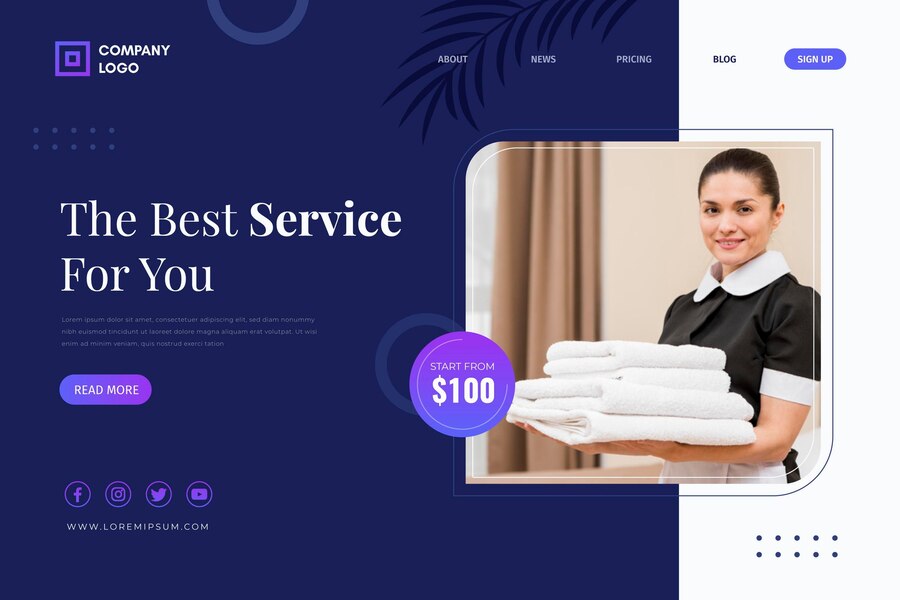
1. Professional and Clean Homepage
- Who you are
- What you offer
- What action the visitor should take
Key elements of a homepage:
- A clear headline with your value proposition
- Brief intro about your business
- A strong CTA (Call to Action) like “Get a Quote” or “Contact Us”
- Visuals that match your brand
2. Mobile-Friendly Design
More than 60% of users browse on mobile. Google also uses mobile-first indexing, meaning your site’s mobile version impacts your SEO.
Best practices:
- Use a responsive theme
- Ensure fast load speed on mobile
- Use readable fonts and tap-friendly buttons
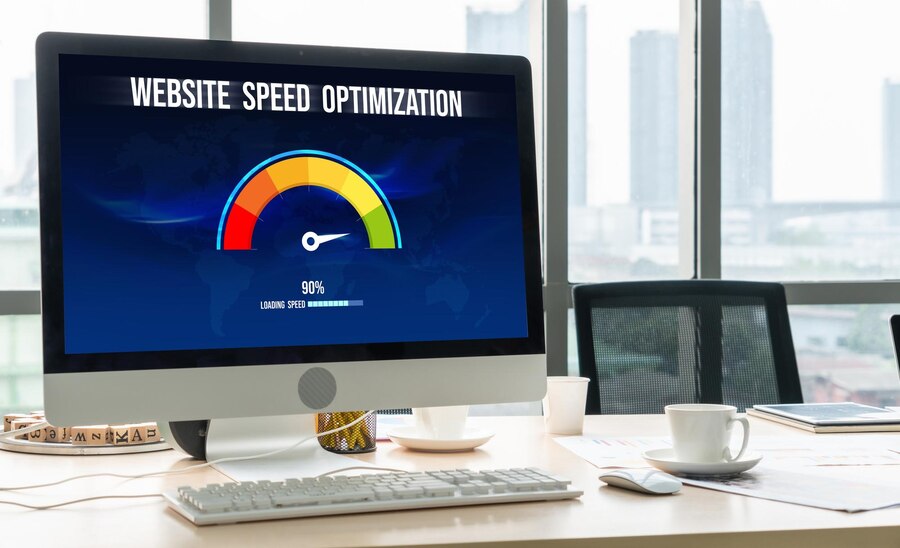
3. Fast Load Speed
Speed is a ranking factor and a key to user experience. A delay of even 1 second can reduce conversions by 7%.
Speed improvement tips:
- Use a lightweight theme
- Compress images using WebP format
- Use lazy loading
- Host your site on a fast server
- Use a CDN like Cloudflare
4. Secure Hosting and SSL Certificate
Visitors look for the padlock symbol in the browser bar. Without it, your website appears unsafe.
Why SSL is a must:
- Encrypts data (secure transactions)
- Boosts trust and credibility
- Helps with Google rankings
5. Clear Navigation Structure
Easy navigation helps users find what they need and keeps them on your site longer.
Include:
- A top menu bar
- Important links in the footer
- A search bar for easy browsing
- Consistent menu on all pages
6. Essential Website Pages
Your website should contain these basic pages
Page | Purpose |
Home | First impression |
About Us | Build trust and tell your story |
Services/Products | Explain what you offer |
Contact Us | Allow customers to connect |
Privacy Policy | Required for trust & legal |
Terms & Conditions | Clarifies your terms |
7. SEO Optimized Content
Search engines need help understanding your website. With proper SEO, you help them rank your pages for the right audience.
SEO Tips:
- Use short-tail and long-tail keywords
- Add meta titles and descriptions
- Use H1 for titles, H2/H3 for sections
- Write clear and helpful content
- Include internal links to other pages
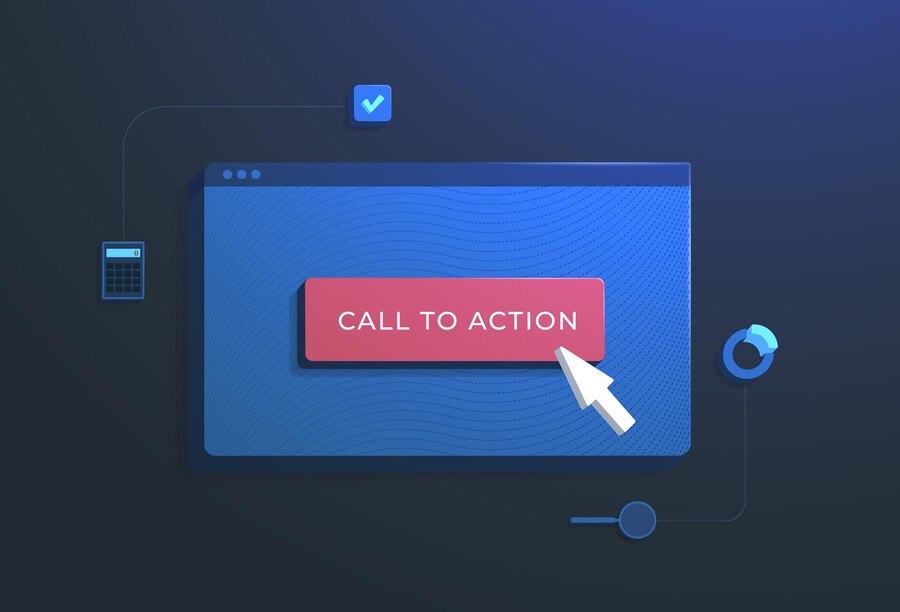
8. Strong Calls to Action (CTAs)
Tell visitors what to do next. CTAs convert visitors into leads.
Examples:
- “Call Us Now”
- “Book a Free Consultation”
- “Download Free Guide”
- “Request a Quote”
CTAs should be:
- Visible above the fold
- Actionable and benefit-focused
- Linked to relevant pages or forms
9. Visible Contact Information
Contact details should be available on every page, preferably in the header or footer.
Include:
- Business phone number
- Email address
- Google Maps location (if physical store)
- Social media links
- Contact Form (with fields like name, email, message)
10. Regular Blogging
A blog can:
- Drive traffic via long-tail keywords
- Educate your audience
- Improve SEO with fresh content
- Build authority in your niche
Blog best practices:
- Use catchy, helpful titles
- Post consistently (1–2 per week)
- Add images and infographics
- Use internal links to your services or other blog posts
Bonus Tips:
- Add schema markup (FAQ, breadcrumbs)
- Use Google Search Console to track SEO
- Connect to Google Analytics for traffic insights
- Enable chatbot or WhatsApp integration
- Use testimonials and Google reviews
Conclusion
A successful small business website should do more than exist — it should build trust, rank on search engines, and convert visitors into customers. By following this 10-step checklist, you’ll have a website that not only looks great but works hard for your business 24/7.
If you need help building or optimizing your business website, our team at KTPL is ready to help you succeed online.
FAQs
Have questions? We’ve answered some of the most common queries to help you understand the topic better
Q1. What are the most important pages for a business website?
Home, About, Services, Contact, Privacy Policy, and Blog.
Q2. Why is a responsive design important?
It ensures your website looks great on all screen sizes, especially mobile, which is a major traffic source.
Q3. How do I make my website faster?
Use image compression, a fast hosting provider, minimal plugins, and a CDN.
Q4. Do I really need an SSL certificate?
Yes, it protects user data, boosts trust, and improves SEO rankings.
Q5. What kind of blog should a small business have?
Focus on industry tips, how-tos, FAQs, and customer success stories to boost SEO and engagement.
Want To Grow Your Business - Connect With KTPL
KTPL – Business Growth Agency, a creative solutions and business growth agency from India.
👉 Visit https://kirnanitechnologies.com
📞 Call us at +91 95093 33000
📧 Email us at contact@kirnanitechnologies.com