


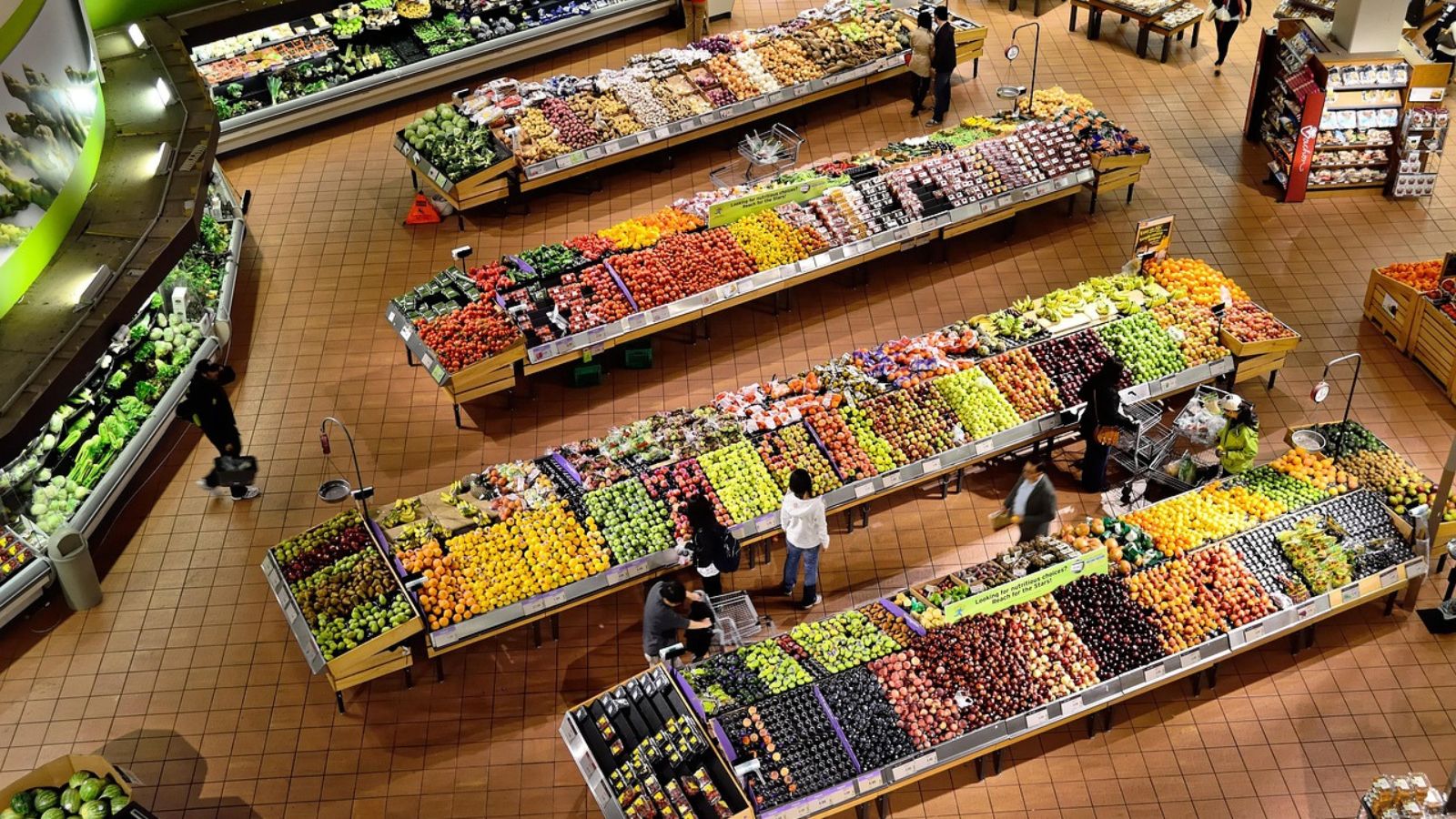
The rollout of GST 2.0 has brought mixed signals for Indian businesses. While Q2 sales have experienced a temporary slowdown due to the transition, companies remain optimistic about a rebound in demand. The market is adjusting to the new tax regime, and the upcoming festive season is expected to boost consumption.
Short-Term Sales Dip in Q2
The introduction of GST 2.0 has created some short-term disruptions in business sales. Many companies, especially in the FMCG and consumer durables sectors, reported a dip in Q2 revenue.
The transitional challenges include clearing old inventories, adjusting prices, and changes in GST rates for a large portion of products. Hindustan Unilever (HUL) reported a “near flat to low-single-digit growth” due to these factors. Similarly, consumer durables brands like Voltas faced delayed purchases, particularly in air conditioners, due to inventory adjustments and seasonal timing.
Reasons Behind the Temporary Sales Dip
- Distributors and retailers are clearing existing stocks at old prices.
- Consumers postponed purchases in anticipation of updated pricing.
- High channel inventory in durable goods like refrigerators and ACs.
- Seasonal slowdown in some categories before the festive season.
FMCG Sector Adjustments
FMCG companies like HUL and Godrej Consumer Products faced transitional challenges but anticipate recovery post-GST 2.0 adjustments. Around 40% of HUL’s portfolio saw GST rates drop from 12–18% to 5%, causing temporary sales delays.
Despite the short-term slowdown, consumer demand is expected to strengthen in the coming months. Companies are focusing on portfolio transformation and price stabilization to support revenue growth.
Impact on Consumer Behavior
The GST rate cuts have influenced buying patterns. Customers are gradually shifting toward premium products while still enjoying the benefits of lower GST on essential items. Entry-level segments are likely to witness strong growth as disposable incomes rise due to cumulative tax benefits from GST and income tax adjustments.
Automotive Sector Shows Signs of Recovery
The automobile industry experienced a surge during the first few days of the GST 2.0 rollout. Retail sales increased significantly during the Navratri period, reflecting pent-up demand for cars and two-wheelers.
GST Rate Cuts Boost Vehicle Sales
Rate cuts under GST 2.0 are particularly beneficial for entry-level cars and affordable two-wheelers. Historically, this segment faced declining sales, but the new tax regime is expected to revive demand. Consumers are taking advantage of lower prices and promotional offers, leading to a positive outlook for Q3 sales growth.
Outlook: Strong Demand Ahead
- Higher disposable income due to tax cuts.
- Increased rural wages supporting consumption.
- Upcoming festive seasons stimulating purchases of FMCG, automobiles, and durables.
Factors Driving Future Growth
- Pent-up demand from GST rate reductions.
- Promotions and discounts encouraging early purchases.
- Gradual normalization of distributor and retailer inventory.
- Consumer shift toward premium and discretionary products.
Consumer Insights and Spending Patterns
Consumption trends are expected to improve gradually. Impulse categories such as biscuits, chocolates, and snacks will see immediate volume growth, while personal care and homecare items are expected to gain steadily. Lower GST rates also encourage purchases in price-sensitive categories, balancing both essentials and lifestyle products.
Key Takeaways for Businesses
- Plan inventory to match updated pricing and consumer expectations.
- Focus on portfolio transformation for sustained growth.
- Monitor consumer behavior shifts due to tax incentives.
- Leverage festive seasons to accelerate sales recovery.
FAQs
Have questions? We’ve answered some of the most common queries to help you understand the topic better
Q1: Why did Q2 sales dip under GST 2.0?
A: Transitional challenges and inventory adjustments caused temporary sales slowdown.
Q2: Which sectors were most affected by GST 2.0?
A: FMCG, consumer durables, and automobiles were significantly impacted.
Q3: Will consumer demand recover post-GST 2.0?
A: Yes, rising disposable income and festive season boosts will drive demand.
Q4: How did GST rate cuts affect entry-level products?
A: Lower GST rates boosted affordability and revived sales in entry-level segments.
Q5: What should businesses focus on to recover faster?
A: Inventory management, portfolio transformation, and targeting festive sales can accelerate recovery.
Want To Grow Your Business - Connect With KTPL
KTPL – Business Growth Agency, a creative solutions and business growth agency from India.
👉 Visit https://kirnanitechnologies.com
📞 Call us at +91 95093 33000
📧 Email us at contact@kirnanitechnologies.com


