


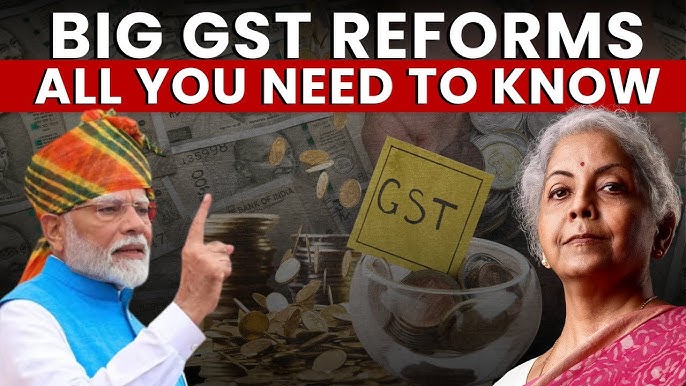
India’s tax landscape is undergoing a transformative shift with the introduction of GST Reforms 2025. These reforms are designed to simplify taxation, reduce financial burdens on the common man, and create a more business-friendly environment. Known as the GST Bachat Utsav, this initiative aims to increase savings for consumers while boosting economic growth.
The reforms mark a significant milestone in India’s journey toward a more transparent, efficient, and progressive taxation system. Businesses, especially small and medium enterprises (SMEs), are expected to benefit from streamlined compliance procedures and lower operational costs. Consumers will experience a direct impact through reduced prices on essential goods. By ensuring a simpler system, the government intends to make taxes more predictable and easier to follow.
What Are GST Reforms 2025?
- Two primary tax slabs: 5% for essentials and 18% for other goods.
- Higher rates applied only to luxury and non-essential items.
- Streamlined compliance and reporting requirements for businesses.
Why the Reforms Matter
- Provide relief to households by lowering the cost of daily essentials.
- Encourage businesses to invest more in growth rather than compliance.
- Boost overall economic activity by increasing disposable income.
Benefits for the Common Man
Implementing GST Reforms 2025 brings several advantages for ordinary citizens. The focus is on increasing savings and reducing the cost of living.
1. Lower Prices on Essential Goods
Consumers will notice immediate relief in the cost of groceries, medicines, and other essential commodities. By keeping the GST rate at 5% for essentials, the government ensures affordability for everyday purchases.
This reduction in taxes on daily-use items translates into significant savings for middle-class and low-income households. For example, staple foods, milk, medicines, and school supplies will become more affordable, helping families manage household budgets more effectively.
2. Increased Disposable Income
By easing the GST burden, the reforms are projected to generate substantial savings for citizens. With lower tax deductions on essentials and some exemptions on specific goods, households can retain more of their income.
This additional disposable income could lead to higher consumption, stimulating the economy further. Citizens may spend more on entertainment, clothing, education, and healthcare, positively impacting businesses across multiple sectors.
3. Simplified Tax Understanding
The reformed GST system is easier to comprehend. Consumers can now make purchases without worrying about multiple tax slabs or hidden charges. The transparency of rates ensures trust in the tax system and reduces confusion for buyers.
For instance, if a consumer buys household items and groceries, they can now easily calculate the total cost without needing to understand complex GST codes. This simplicity also reduces disputes between buyers and sellers regarding tax application.
4. Encouragement for Responsible Spending
With GST reforms, citizens are more likely to make informed purchasing decisions. Reduced prices on essentials increase affordability, while clearer tax structures encourage prudent spending. This responsible consumer behavior further strengthens domestic markets and supports sustainable economic growth.
Impact on Businesses
Businesses, especially SMEs, will experience multiple benefits due to the reformed GST system. Reduced complexity and simplified compliance procedures will encourage entrepreneurship and investments.
1. Easier Compliance
The new GST framework reduces the paperwork and reporting burden for businesses. Automated processes and simplified registration systems mean companies can focus more on growth and customer service rather than regulatory requirements.
Businesses no longer have to spend excessive time managing multiple GST returns or dealing with conflicting rules. Simplified filing reduces errors, lowers penalties, and makes audits smoother, fostering a positive business climate.
2. Boost to Micro, Small, and Medium Enterprises
MSMEs are critical to India’s economic growth. By simplifying registration and lowering compliance costs, GST Reforms 2025 empower SMEs to expand operations, increase production, and create jobs.
For example, a small manufacturer can now operate with fewer tax-related interruptions, invest in equipment upgrades, and hire more staff. These benefits improve the overall competitiveness of the MSME sector and help in creating more employment opportunities nationwide.
3. Encouragement for Investments
The new GST regime is expected to boost business confidence and encourage new investments. By reducing taxation on intermediate goods and services, companies can lower production costs and improve profit margins.
Additionally, streamlined procedures reduce operational delays, allowing businesses to reinvest savings in innovation, technology, and workforce expansion. This in turn contributes to GDP growth and overall economic development.
4. Opportunities for Expansion
Lower compliance costs and predictable tax rates provide businesses with the confidence to explore new markets, diversify product lines, and expand regionally. This growth benefits consumers by increasing product availability and competitive pricing while strengthening local economies.
GST Bachat Utsav: A Nationwide Celebration
- Inform citizens about the new tax rates and savings opportunities.
- Promote consumer participation in the new system.
- Highlight business advantages and encourage entrepreneurship.
How Citizens Can Benefit
Citizens can actively participate by:
- Choosing to buy essential goods at reduced GST rates.
- Using online platforms to check GST-inclusive prices before purchase.
- Planning larger purchases of non-essential items while taking advantage of predictable taxation.
The festival creates awareness about financial planning and demonstrates the government’s commitment to delivering tangible benefits to the public.
Long-Term Economic Impact
- Stimulated economic growth through increased consumer spending.
- Higher tax compliance and broader formalization of the economy.
- Increased GDP contribution from SMEs and organized sectors.
- Greater transparency and reduced tax evasion.
FAQs
Have questions? We’ve answered some of the most common queries to help you understand the topic better
1. What is GST Reforms 2025?
It is a simplified GST system with lower tax rates on essentials and streamlined compliance for businesses.
2. How does it benefit consumers?
Consumers get lower prices on essential goods, increased disposable income, and simplified tax understanding.
3. Are businesses affected positively?
Yes, compliance is easier, operational costs are reduced, and MSMEs gain growth opportunities.
4. What is GST Bachat Utsav?
It is a nationwide celebration promoting GST reforms and encouraging consumer and business participation.
5. When did GST Reforms 2025 come into effect?
The reforms were implemented starting September 22, 2025.
Want To Grow Your Business - Connect With KTPL
KTPL – Business Growth Agency, a creative solutions and business growth agency from India.
👉 Visit https://kirnanitechnologies.com
📞 Call us at +91 95093 33000
📧 Email us at contact@kirnanitechnologies.com


