


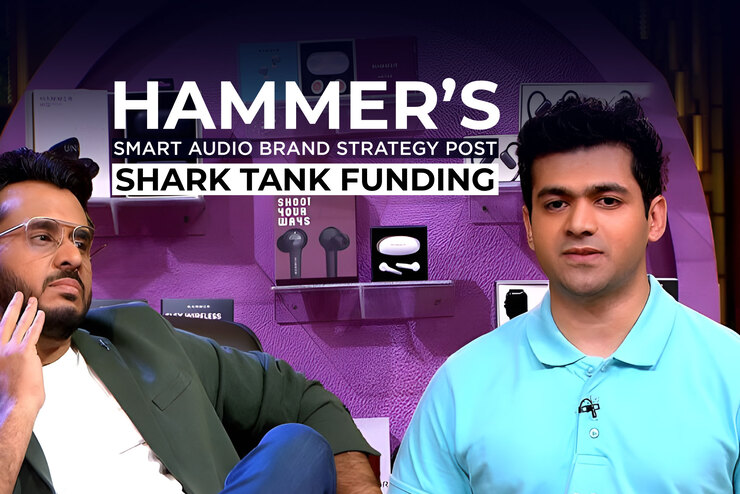
India’s D2C (Direct-to-Consumer) audio tech space is booming, and one brand making noise is Hammer. Known for its wireless earbuds, smartwatches, and audio wearables, Hammer grabbed national attention after appearing on Shark Tank India . But what happened after the cameras stopped rolling?
In this blog, we explore Hammer’s brand strategy, how the Shark Tank funding impacted growth, and what makes their Gen Z-first branding tick in India’s competitive wearable market.
About Hammer: India’s Rising Audio Brand
Founded in 2019 by entrepreneur Rohit Nandwani, Hammer is a homegrown Indian D2C brand that focuses on affordable, smart, and stylish lifestyle electronics. The product line spans across wireless earbuds, smartwatches, grooming kits, neckbands, and electric toothbrushes, with a design-first approach.
What made Hammer stand out in the saturated market was its clear and consistent focus on three pillars:
Sleek & Minimalistic Designs: Products are crafted to look modern, sharp, and appeal to a younger tech-savvy audience.
Budget-Friendly Pricing: Hammer offers most of its wearables and gadgets in the ₹999–₹2999 range — ideal for first-time and impulse buyers.
Gen Z & Millennial-Centric Marketing: With vibrant packaging, Instagram-led campaigns, and influencer tie-ups, Hammer quickly carved a niche in India’s competitive smart accessory market.
Even before its Shark Tank appearance, Hammer had already gained traction as a D2C-first brand via its website hammeronline.in, and was also listed on major marketplaces like Amazon, Flipkart, and Myntra. Its online-first approach allowed Hammer to control customer experience, build community loyalty, and scale quickly without retail overheads.
Hammer’s Shark Tank Pitch & Investment Details
Hammer’s major breakthrough came in Shark Tank India Season 1, where founder Rohit Nandwani pitched a vision that blended affordable smart technology with youth-centric branding — aiming to establish Hammer as India’s leading lifestyle tech brand.
Key Highlights from the Pitch:
Showcased solid YoY growth, with transparent revenue numbers and profitability in sight
Highlighted the success of its D2C model, which contributed to high margins and direct customer relationships
Emphasized the “Make in India” narrative with locally designed and assembled products
Positioning Hammer as boAt’s younger, edgier sibling brand, capturing the value segment
The Investment Deal:
Rohit successfully secured an offer of ₹1 crore for 40% equity from Aman Gupta, co-founder and CMO of boAt. Aman not only brought capital but also deep domain knowledge, retail expertise, and marketing leverage.
This was seen as one of the most strategic investments of Season 1 because:
Both brands operate in complementary price segments
Aman’s support gave Hammer access to insights and networks within India’s consumer electronics ecosystem
It validated Hammer’s brand and opened doors to scale more confidently
Post-Shark Tank Impact:
-
Website traffic grew 5X in just 2 weeks after the episode aired
-
Multiple SKUs went out of stock due to spike in orders
-
Hammer saw a 10x surge in brand searches on Google and Flipkart
-
Increased brand trust among Tier 2 and Tier 3 city consumers
Post-Funding Brand Strategy: What Changed?
After the Shark Tank appearance, Hammer didn’t just sit back. They revamped their brand strategy to stay relevant and scale faster.
1. Product Positioning: "Smart. Affordable. Stylish."
They shifted focus from just being “budget-friendly” to “value-packed smart tech.” This helped improve brand perception.
2. Website Optimization & D2C Growth
Hammer doubled down on its own D2C website (hammeronline.in), improving:
- Page speed
- Product pages
- Checkout experience
- SEO and blog content
3. Influencer Marketing
Post-Shark Tank, Hammer worked with:
- YouTube tech creators
- Instagram micro-influencers
- Lifestyle bloggers
This helped reach a younger audience authentically.
4. More Product Categories
They expanded beyond audio into:
- Smartwatches
- Electric toothbrushes
- Men’s grooming gadgets
This aligned with their vision of being a “complete smart lifestyle brand.”
Post-Funding Brand Strategy: What Changed?
After the Shark Tank appearance, Hammer didn’t just sit back. They revamped their brand strategy to stay relevant and scale faster.
1. Product Positioning: "Smart. Affordable. Stylish."
They shifted focus from just being “budget-friendly” to “value-packed smart tech.” This helped improve brand perception.
2. Website Optimization & D2C Growth
Hammer doubled down on its own D2C website (hammeronline.in), improving:
- Page speed
- Product pages
- Checkout experience
- SEO and blog content
3. Influencer Marketing
Post-Shark Tank, Hammer worked with:
- YouTube tech creators
- Instagram micro-influencers
- Lifestyle bloggers
This helped reach a younger audience authentically.
4. More Product Categories
They expanded beyond audio into:
- Smartwatches
- Electric toothbrushes
- Men’s grooming gadgets
This aligned with their vision of being a “complete smart lifestyle brand.”
Smart Audio Branding That Works
Hammer’s success is rooted in branding designed for the Gen Z mindset:
Brand Pillar | Strategy Used |
Design | Sleek, minimal products that look premium |
Tone of Voice | Youthful, bold, sometimes edgy |
Pricing Strategy | ₹999–₹2999 range = impulse purchase territory |
Marketing | Instagram reels, Gen Z memes, influencer reels |
Distribution | Strong Amazon, Flipkart presence + D2C + own blog SEO |
Challenges: Can Hammer Beat boAt & Noise?
Despite rapid growth, Hammer faces competition from boAt, Noise, and Realme Buds, all with massive budgets.
Key Challenges:
- Maintaining quality at low prices
- Scaling customer service
- Competing with brands offering similar specs at slightly lower cost
However, their Shark Tank exposure and fresh brand identity give them a strong foundation.
What’s Next for Hammer?
Hammer is now working on:
- Launching AI-integrated products
- Offline presence via kiosks
- Expanding in Tier 2 and Tier 3 cities
- Investing in content-driven SEO (like blogs, YouTube tutorials, and reviews)
They also aim to differentiate by focusing on style + utility — something most audio brands ignore.
Final Thoughts
Hammer’s journey proves that branding + smart funding + youth-first content can be a powerful mix in India’s startup ecosystem. With Shark Tank India exposure and a sharp brand strategy, Hammer is positioned to become a key name in the smart lifestyle tech market.
But in a rapidly growing category, consistent innovation, customer service, and marketing agility will be the keys to survival and scale
FAQs
Have questions? We’ve answered some of the most common queries to help you understand the topic better
1. What products does Hammer sell?
Hammer offers wireless earbuds, neckbands, smartwatches, electric toothbrushes, and grooming tools. They are focused on smart lifestyle gadgets at affordable prices
2. What deal did Hammer get on Shark Tank India?
Hammer secured ₹1 crore for 40% equity from Aman Gupta (boAt) in Shark Tank India Season 1
3. Is Hammer owned by boAt now?
4. Where can I buy Hammer products?
You can buy directly from their website hammeronline.in, or on Amazon, Flipkart, and other marketplaces
5. What makes Hammer different from other audio brands?
Hammer focuses on combining stylish design, smart tech, and affordable pricing — all with a youth-centric brand tone and strong online presence.
Want To Grow Your Business - Connect With KTPL
KTPL – Business Growth Agency, a creative solutions and business growth agency from India.
👉 Visit https://kirnanitechnologies.com
📞 Call us at +91 95093 33000
📧 Email us at contact@kirnanitechnologies.com


