


The fashion industry is changing faster than ever before. Once dominated by big showrooms, shopping malls, and physical retail stores, today’s fashion market is increasingly driven by digital-first brands. D2C fashion startups are proving that it is entirely possible to build trust, loyalty, and strong sales without owning a retail store.
By selling directly to customers online, these brands are not only cutting costs but also reshaping how people discover, engage with, and buy fashion. From personalized experiences to community-driven marketing, D2C fashion startups are winning customers in ways traditional retail could never fully achieve.
This blog explores how and why this shift is happening, and what makes the D2C fashion model so powerful in today’s market.
Understanding the Rise of D2C Fashion Startups
Before diving into strategies, it’s important to understand why the D2C model fits fashion startups so well. The rise of smartphones, social media, and digital payments has changed customer behavior completely.
Consumers today are comfortable shopping online, discovering brands through Instagram, and trusting peer reviews more than store displays. This shift has created the perfect environment for D2C fashion brands to grow without relying on retail stores.
What D2C Means in the Fashion Industry
D2C, or Direct-to-Consumer, means brands sell their products directly to customers through their own websites or apps. There are no wholesalers, distributors, or physical retail stores involved in the sales process.
This approach gives fashion startups full control over pricing, branding, customer experience, and data. Instead of guessing what customers want, D2C brands learn directly from real behavior and feedback
Why Fashion Startups Are Moving Away from Retail Stores
Traditional retail stores come with high costs and limited flexibility. Rent, staffing, inventory storage, and location constraints make it difficult for new fashion brands to scale efficiently.
D2C fashion startups avoid these barriers by building online-first businesses that grow with demand rather than fixed expenses.
Lower Costs and Better Profit Margins
Running a retail store requires heavy upfront investment. D2C brands eliminate these expenses and redirect funds into product quality, digital marketing, and customer experience.
- Competitive pricing
- Better materials and designs
- Faster innovation cycles
How D2C Fashion Startups Win Customers Digitally
The biggest advantage of D2C fashion startups is their ability to build direct, meaningful relationships with customers. This is where they truly outperform traditional retail models.
Instead of one-time transactions, D2C brands focus on long-term engagement and loyalty.
Data-Driven Personalization Builds Stronger Connections
Because D2C brands own the customer relationship, they collect first-party data such as browsing behavior, purchase history, and preferences.
- Recommend relevant products
- Send personalized emails
- Offer size and style suggestions
- Improve the overall shopping experience
Niche Targeting Gives D2C Brands a Competitive Edge
Unlike traditional retail stores that aim to appeal to everyone, D2C fashion startups succeed by focusing on specific audiences. This niche approach helps brands stand out in a crowded fashion market.
Clear positioning allows startups to communicate their value more effectively.
Serving Specific Communities and Values
- Sustainable fashion
- Ethical manufacturing
- Inclusive sizing
- Cultural or lifestyle-based designs
Community Building Replaces the Retail Store Experience
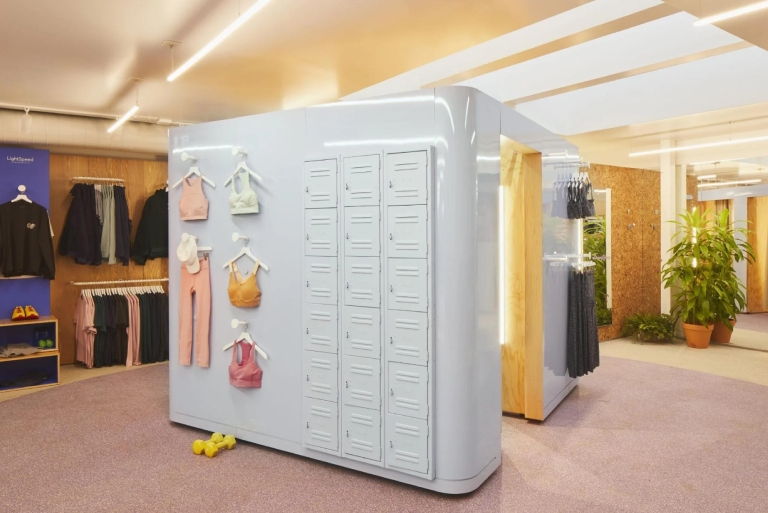
Retail stores once served as the main touchpoint between brands and customers. D2C fashion startups replace this with digital communities.
Through social media, email marketing, and content platforms, brands create spaces where customers feel involved, not just sold to.
Social Media as the New Storefront
- Influencer collaborations
- Styling videos
- User-generated content
- Behind-the-scenes stories
Storytelling and Transparency Build Trust Online
One challenge of selling fashion without a retail store is trust. Customers can’t touch or try products physically, so D2C brands must work harder to build credibility.
Storytelling plays a major role here.
Authentic Brand Narratives Matter
- Their brand journey
- Manufacturing processes
- Sustainability efforts
- Founder stories and challenges
Agile Product Drops Keep Customers Excited
Traditional retail stores operate on fixed seasonal cycles, which limits flexibility. D2C fashion startups, however, can launch products whenever the market demands.
This agility keeps customers engaged and curious.
Limited Editions and Fast Trend Response
By releasing small batches and limited collections, D2C brands create urgency and exclusivity. Customers feel rewarded for staying connected to the brand.
Quick trend response also means startups can adapt designs based on real-time feedback — something retail stores struggle to do efficiently.
Owning the Entire Customer Experience
One of the strongest advantages of D2C fashion startups is complete control over the customer journey.
From homepage design to checkout and post-purchase support, everything is optimized for convenience and satisfaction.
Seamless Online Shopping Experience
- Mobile-friendly websites
- Simple navigation
- Easy returns and exchanges
- Responsive customer support
Content Marketing Drives Organic Growth
Content is a powerful tool for D2C fashion startups. Instead of relying only on ads, brands use blogs, videos, and social posts to educate and inspire.
This approach attracts customers naturally through search engines and social sharing.
SEO-Friendly Content Builds Long-Term Visibility
- D2C fashion brands
- Fashion startups in India
- Online fashion brands
- Selling fashion without a retail store
Direct Feedback Improves Products Faster
Retail stores create distance between brands and customers. D2C fashion startups remove this gap completely.
- Reviews
- Emails
- Social media comments
- Surveys
Why the D2C Fashion Model Works So Well
All these strategies combine to create a powerful system that supports long-term growth. D2C fashion startups don’t rely on chance foot traffic — they build intentional relationships.
- Higher margins
- Stronger customer loyalty
- Faster innovation
- Better data insights
- Greater brand control
The Future of Fashion Without Retail Stores
The success of D2C fashion startups proves that retail stores are no longer essential for building a strong fashion brand. Digital-first strategies, combined with authenticity and customer focus, are reshaping the industry.
As consumer behavior continues shifting online, fashion startups that prioritize direct relationships will continue winning customers — with or without physical stores.
FAQs
Have questions? We’ve answered some of the most common queries to help you understand the topic better
1. What is a D2C fashion brand?
A D2C fashion brand sells clothing directly to customers online without using retail stores or intermediaries.
2. How do fashion startups succeed without a retail store?
They use digital marketing, personalization, community building, and content-driven strategies to attract and retain customers.
3. Are D2C fashion brands cheaper than retail brands?
Often yes, because they avoid middlemen and store costs, allowing better pricing or higher quality.
4. Why do customers trust D2C fashion startups?
Transparency, storytelling, reviews, and direct communication help build trust even without physical stores.
5. Is the D2C model the future of fashion?
Yes, as online shopping grows, D2C fashion startups are becoming a dominant force in the fashion industry.
Want To Grow Your Business - Connect With KTPL
KTPL – Business Growth Agency, a creative solutions and business growth agency from India.
👉 Visit https://kirnanitechnologies.com
📞 Call us at +91 95093 33000
📧 Email us at contact@kirnanitechnologies.com


