


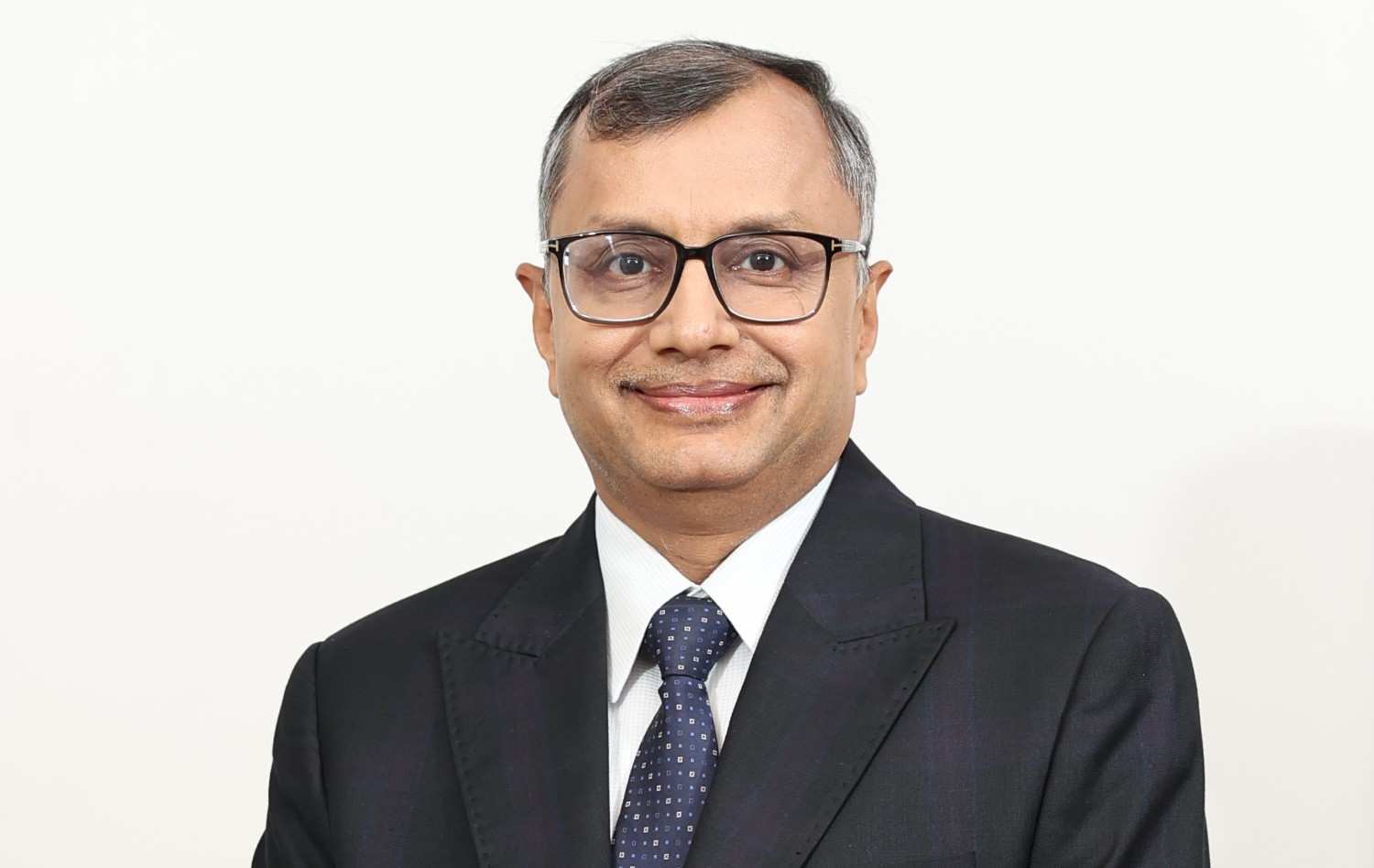
Hyundai Motor’s global CEO, Jose Munoz, recently emphasized that India is a more critical market for Hyundai than China. He highlighted that India’s growing population and rising motorization rates make it a key strategic market for the company. With increasing demand for cars, SUVs, and electric vehicles, India presents a tremendous growth opportunity for global automakers.
India’s automotive market is expected to see robust growth over the next decade. Munoz noted that while China is highly competitive, India’s potential in passenger vehicles, EVs, and luxury segments is unparalleled. For Hyundai, India is not just a market—it is a core pillar of its global expansion strategy.
Hyundai’s presence in India is significant, with multiple manufacturing plants, R&D centers, and export hubs. The country’s favorable policies for EV adoption, combined with a strong demand for personal vehicles, make India a top priority in Hyundai’s long-term vision.
Hyundai’s Massive Investment Plans in India
Hyundai plans to invest approximately Rs 45,000 crore in India by 2030, signaling its commitment to growth and innovation. The investment includes launching 26 new models, covering eight hybrid vehicles and five electric vehicles. This ambitious plan aims to strengthen Hyundai’s position in both domestic sales and global exports.
Munoz explained that India’s market diversity allows Hyundai to cater to both entry-level and premium customers. With an increasing appetite for SUVs and EVs, Hyundai plans to tap into emerging consumer trends while expanding its Genesis luxury brand in India by 2027.
Hyundai’s strategy in India also emphasizes technology adoption, emission-friendly vehicles, and world-class quality standards. This ensures that Hyundai remains competitive not only in India but also in global automotive markets.
Market Potential and Opportunities
India offers a unique dual automotive market. On one side, there is a growing middle-class segment moving from motorcycles and three-wheelers to compact and mid-sized cars. On the other, there is a demand for premium SUVs and luxury vehicles among affluent buyers.
Munoz believes that this duality gives Hyundai a strategic advantage. The company can capture volume-driven growth with entry-level models while also building brand prestige through premium offerings like Genesis.
Experts say India’s automotive market is poised to be a “rocket” due to its population size and motorization potential. The combination of rising disposable income, urbanization, and government incentives for electric vehicles makes it an ideal market for long-term investments.
Competing With Indian and Global Brands
Hyundai recognizes strong competition in India from established local players like Maruti Suzuki, Tata Motors, and Mahindra & Mahindra. Munoz, however, views this as an opportunity to drive innovation and maintain high-quality standards.
Additionally, the growing presence of Chinese EV manufacturers in India has created a competitive environment. Hyundai’s approach focuses on technology leadership, customer trust, and product diversity to maintain a strong market share.
Hyundai’s local manufacturing strategy also helps reduce costs, improve supply chains, and enhance responsiveness to changing market demands. This positions Hyundai as a strong competitor against both domestic and foreign brands.
Execution and Strategic Focus
According to Munoz, execution is 99% of strategy. Hyundai’s long-term plans in India are not just about announcements—they are about real, measurable actions in product launches, technology upgrades, and customer engagement.
The company also aims to maintain double-digit EBITDA margins while paying 20–40% dividends, demonstrating a balanced approach to growth and shareholder returns. This disciplined strategy ensures that Hyundai can scale sustainably in India without compromising financial stability.
Munoz emphasized that India will continue to be a hub for EV exports, innovation in hybrids, and the testing of new mobility solutions. Hyundai sees India as a cornerstone of its global business model, supporting growth not only in Asia but worldwide.
Hyundai’s EV and Hybrid Strategy in India
The Indian government’s push for electric mobility aligns with Hyundai’s ambitious EV and hybrid plans. With five new EVs and eight hybrids scheduled for launch by 2030, Hyundai aims to capitalize on India’s green mobility goals.
Munoz highlighted that the Indian EV market is growing rapidly, fueled by incentives, increasing charging infrastructure, and consumer interest in sustainable vehicles. Hyundai plans to leverage this trend to gain market share and establish leadership in EV technology.
Hyundai’s hybrid and electric models will not only appeal to urban buyers but also enhance Hyundai’s global reputation as a pioneer in sustainable automotive solutions.
Future Outlook for Hyundai in India
By 2030, India is expected to become Hyundai’s largest market after North America. Munoz believes that India’s growth story will continue to accelerate due to favorable demographics, rising incomes, and policy support.
Hyundai is focused on expanding manufacturing capacity, launching innovative products, and strengthening dealer networks. With its holistic approach, Hyundai aims to achieve significant revenue growth and secure a leadership position in India’s evolving automotive market.
The company’s plans for India are not short-term. Hyundai is building a future-ready portfolio that includes EVs, hybrids, luxury vehicles, and SUVs, all tailored to the diverse needs of Indian consumers.
FAQs
Have questions? We’ve answered some of the most common queries to help you understand the topic better
Q1: Why does Hyundai prioritize India over China?
India offers unmatched growth potential and rising vehicle demand.
Q2: How much will Hyundai invest in India by 2030?
Hyundai plans to invest Rs 45,000 crore.
Q3: What types of vehicles will Hyundai launch in India?
26 new models including EVs, hybrids, and luxury cars.
Q4: When will Hyundai launch Genesis in India?
The Genesis luxury brand is expected by 2027.
Q5: Who are Hyundai’s main competitors in India?
Maruti Suzuki, Tata Motors, Mahindra & Mahindra, and Chinese EV brands.
Want To Grow Your Business - Connect With KTPL
KTPL – Business Growth Agency, a creative solutions and business growth agency from India.
👉 Visit https://kirnanitechnologies.com
📞 Call us at +91 95093 33000
📧 Email us at contact@kirnanitechnologies.com


