


Introduction: A Changing Global Startup Landscape
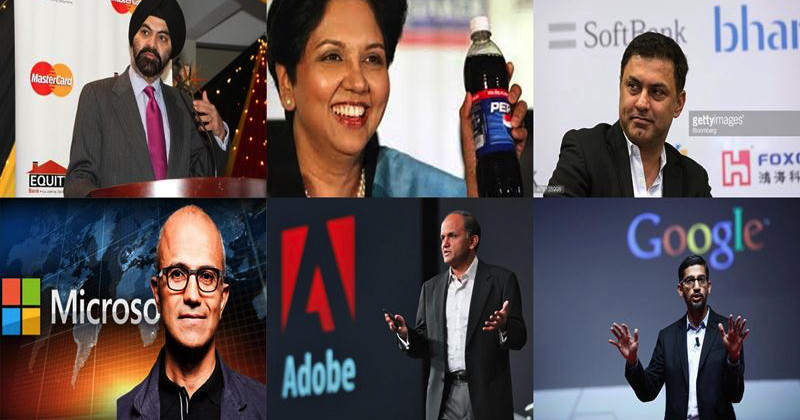
India has long been recognized as a global hub of talent, producing some of the finest CEOs leading multinational companies like Google, Microsoft, and Adobe. However, Aravind Srinivas, CEO of Perplexity AI, challenges this narrative. He believes Indians are not just capable of managing global giants but are equally positioned to build global companies from scratch. His journey from IIT Madras to Silicon Valley demonstrates how Indian founders can transform ideas into world-class enterprises.
This shift in mindset is critical for India’s startup ecosystem as it continues to produce entrepreneurs with global ambitions. Srinivas emphasizes that the future of India’s entrepreneurship story lies not in being second to Silicon Valley but in creating world-leading businesses with innovation at their core.
The Bold Statement from Perplexity’s CEO
Aravind Srinivas made headlines with his powerful statement: “Indians can build global companies, not just manage them.” This reflects his belief that Indians must move beyond the stereotype of being excellent managers to becoming global builders.
Perplexity, his AI-powered search company, has grown at lightning speed, earning a valuation of $20 billion within a few years. With backing from global investors like Jeff Bezos, Nvidia, and SoftBank Vision Fund, the company proves that Indian-led startups can compete at the highest global levels.
Why this statement matters
The reason this statement resonates deeply is because Indians have traditionally been celebrated for their leadership roles in companies built elsewhere. While Sundar Pichai and Satya Nadella represent Indian brilliance at the top, Srinivas wants the narrative to evolve further — from managing to creating.
Indians as Global Builders: Breaking the Myth
India is known for its exceptional talent pool in engineering, software development, and innovation. Yet, the country’s entrepreneurs often face barriers when scaling globally. Srinivas argues that it’s time to break this myth.
Moving beyond management roles
While Indians have proven themselves as world-class managers, Srinivas believes that the real test lies in creating original products and companies that dominate global markets. Building requires vision, resilience, and the ability to take bold risks.
Building with a global-first mindset
Startups born in India often focus first on domestic markets, but Srinivas insists on a global-first approach. Perplexity itself reflects this strategy — although U.S.-based, its fastest-growing market is now India, with partnerships such as Bharti Airtel helping expand its reach.
Lessons for Indian Founders
For India’s upcoming entrepreneurs, Srinivas’s journey offers actionable lessons.
Aim for trillion-dollar opportunities
Srinivas often refers to Nvidia’s Jensen Huang, an immigrant founder who built one of the world’s most valuable companies. Indian founders, he says, must stop limiting themselves to regional or mid-scale businesses. Instead, they should target multi-trillion-dollar industries such as AI, deep tech, green energy, and biotechnology.
Meritocracy matters in scaling globally
Silicon Valley thrives because it rewards merit over nationality or background. Srinivas explains that outsiders with bold ideas often succeed in the Valley. Indian founders need to carry this mindset — confidence and innovation must drive their growth.
The power of mentorship and credibility
Networking and mentorship are non-negotiable. Srinivas himself frequently interacts with Satya Nadella, Microsoft’s CEO, even though Microsoft competes with Perplexity. Such relationships prove that credibility and reputation are as important as funding.
Impact speaks louder than words
Drawing an analogy with cricket legends like Sachin Tendulkar, Srinivas emphasizes that true recognition comes not from narratives but from performance and results. Indian founders must let their innovations and companies earn them global respect.
India’s Role in the Global Startup Ecosystem
India is no longer seen as just a service hub. With an increasing number of unicorns and a thriving digital economy, the country is moving toward becoming a startup powerhouse.
Why India is the fastest-growing market
Perplexity’s example shows how India is adopting AI-powered platforms at record speed. With a massive mobile-first population and affordable internet, India provides fertile ground for global tech products.
Attracting global investments
When Indian founders think global, they automatically draw the attention of overseas investors. Global funds are actively looking at India as the next frontier for innovation, which could unlock billions in capital inflows.
Overcoming Barriers for Indian Entrepreneurs
Despite the potential, Indian entrepreneurs face challenges such as limited access to risk capital, regulatory hurdles, and lack of global exposure.
Building stronger networks
Founders must leverage global networks — from Silicon Valley accelerators to venture capital networks — to position themselves for scale.
Strengthening innovation culture
Rather than focusing only on service-based businesses, India must nurture product innovation. The next wave of global tech leaders will emerge from founders who dare to disrupt industries.
Conclusion: A Call to Action for Indian Founders
Aravind Srinivas’s journey with Perplexity is more than just a startup success story — it’s a call to action. Indian entrepreneurs must break free from traditional molds and set their eyes on global dominance. The world is ready for Indian-built global giants, and the time to act is now.
India’s talent, combined with bold ambition and global vision, can transform the narrative from “Indians manage global companies” to “Indians build global companies.”
FAQs
Have questions? We’ve answered some of the most common queries to help you understand the topic better
1. Why does Aravind Srinivas believe Indians can build global companies?
He believes Indian talent should aim beyond management roles and focus on creating original, global-scale businesses like Perplexity.
2. What makes Perplexity a global success story?
Perplexity achieved a $20B valuation with backing from major global investors, proving Indian-led startups can scale globally.
3. What challenges do Indian founders face in going global?
They face hurdles like limited access to risk capital, regulatory complexities, and lack of global exposure, but these can be overcome with networks and innovation.
4. How is India becoming a fast-growing market for global startups?
With affordable internet, a young population, and mobile-first adoption, India is the ideal testing ground for global tech products.
5. What advice does Srinivas give to Indian entrepreneurs?
He encourages founders to think big, aim for trillion-dollar opportunities, build global-first companies, and let their impact speak for them.
Want To Grow Your Business - Connect With KTPL
KTPL – Business Growth Agency, a creative solutions and business growth agency from India.
👉 Visit https://kirnanitechnologies.com
📞 Call us at +91 95093 33000
📧 Email us at contact@kirnanitechnologies.com


