


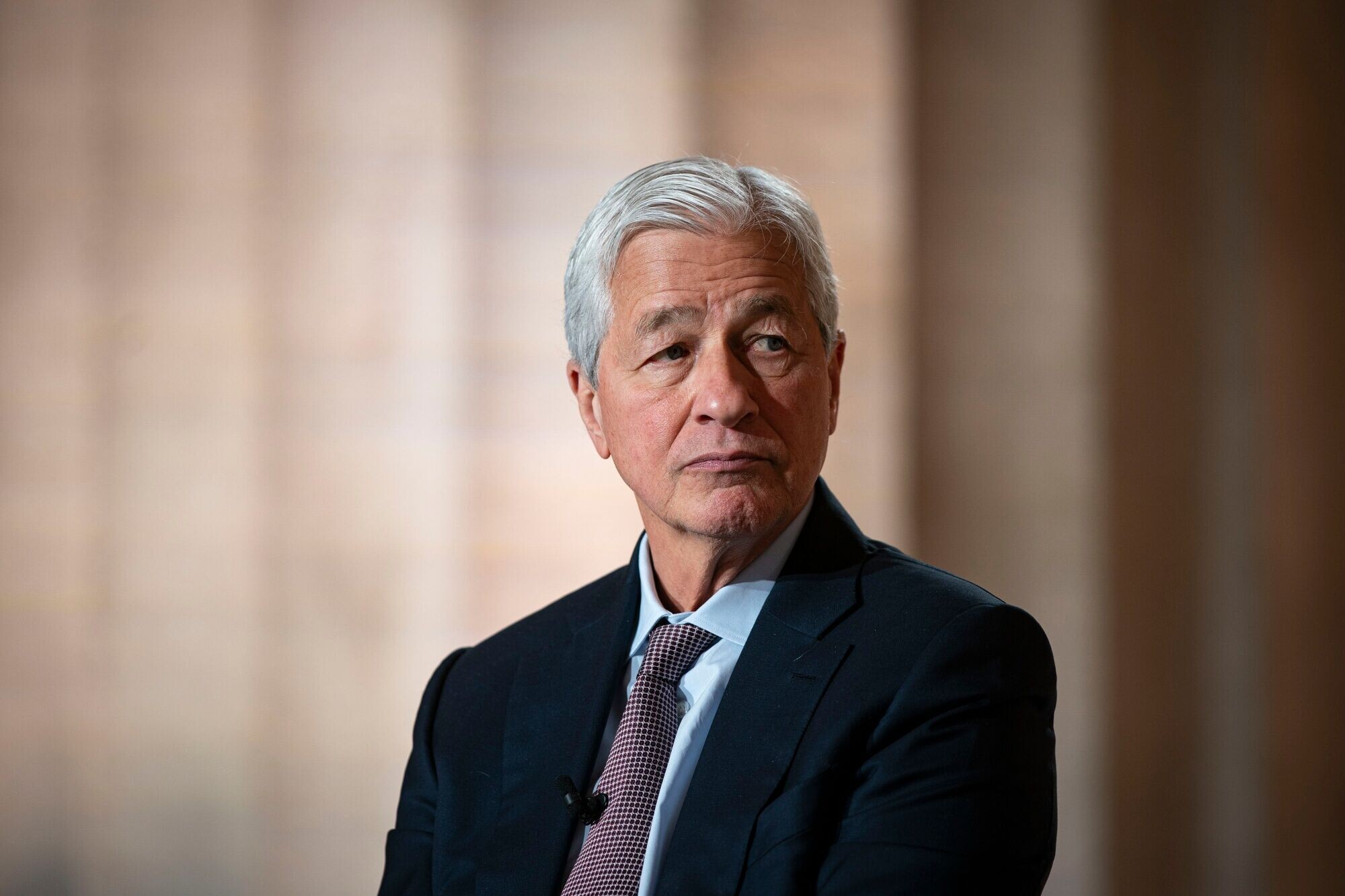
US crypto investors are keeping a close eye on the market after JP Morgan CEO Jamie Dimon issued a crucial warning. Dimon highlighted that persistent inflation could create significant risks for Bitcoin and other digital assets. This statement has added a new layer of concern for investors who have been optimistic about cryptocurrency gains despite global economic uncertainties.
The rise and fall of cryptocurrency prices often depend on multiple factors such as inflation, Federal Reserve decisions, and global economic trends. Dimon’s comments have reignited the debate about how resilient cryptocurrencies really are in uncertain financial times.
Inflation Risks Could Shake the Crypto Market
Persistent inflation is now a major factor affecting investor confidence. Dimon emphasized that if inflation remains high, the Federal Reserve may not have enough flexibility to cut interest rates further. Without such measures, cryptocurrencies like Bitcoin, Ethereum, and other altcoins may face increased volatility.
Inflation reduces the real value of money, which makes high-risk investments less attractive. For cryptocurrencies, which already experience price swings, persistent inflation can amplify market instability.
Currently, inflation is around 3% in the US—still above the Fed’s ideal target. This limits the central bank’s ability to introduce stimulative policies, making the market cautious and less predictable.
How Federal Reserve Rate Cuts Influence Cryptocurrency
Federal Reserve rate cuts often act as a boost for riskier investments, including cryptocurrencies. In March 2025, the Fed cut rates by 25 basis points—the first reduction of the year—leading to a temporary surge in Bitcoin prices. However, the rally was short-lived. Dimon warns that without further rate cuts, crypto assets could struggle to maintain higher valuations.
Rate reductions generally reduce borrowing costs and increase liquidity in the financial system. This encourages investors to explore higher-risk assets like Bitcoin, Ethereum, and other digital currencies. Conversely, higher interest rates make traditional investments, such as bonds and savings accounts, more attractive, which can divert capital away from crypto markets.
Bitcoin and Major Cryptocurrencies Facing Volatility
Bitcoin has experienced significant price swings in recent months. Following the Fed’s rate cut, Bitcoin initially rose but then fell sharply, reflecting the sensitivity of cryptocurrencies to macroeconomic developments.
Dimon’s warning underlines that US crypto investors need to exercise caution. While digital currencies offer the potential for high returns, they are not immune to inflation-driven market instability. Investors should focus on long-term strategies and diversify portfolios to mitigate risks.
Other major cryptocurrencies, such as Ethereum, Ripple, and Cardano, have also shown similar volatility patterns. Price movements are heavily influenced by global economic news, investor sentiment, and policy decisions from key financial institutions.
Key Factors Driving Cryptocurrency Prices
- Federal Reserve Policies:Interest rate changes directly affect investor decisions.
- Inflation Trends:Persistent inflation can reduce the appeal of high-risk assets.
- Global Economic Events:Geopolitical tensions or economic slowdowns impact investor confidence.
- Regulatory Changes:Cryptocurrency laws, taxation, and compliance rules influence market sentiment.
- Technological Innovations:Blockchain development and adoption can drive market growth.
H-1B Visa Fee Increase Could Impact Tech-Driven Crypto Projects
Dimon also raised concerns about the new $100,000 H-1B visa fee. Higher fees may reduce the influx of international talent into the US, particularly tech professionals essential for blockchain development and crypto projects.
This issue indirectly affects the cryptocurrency ecosystem. Innovative crypto projects rely on skilled developers, engineers, and fintech specialists. Restricting access to talent could slow down technological advancement, platform development, and even trading infrastructure in the US.
Implications for US Crypto Investors
- Stay Alert on Inflation:Persistent inflation may limit Federal Reserve action, influencing crypto prices.
- Expect Volatility:Bitcoin and other cryptocurrencies are likely to continue experiencing price swings.
- Diversify Portfolios:Avoid relying solely on cryptocurrencies for long-term growth.
- Monitor Tech Policies:Visa regulations and talent availability can impact blockchain innovation.
- Follow Expert Advice:Insights from financial leaders like Dimon can provide valuable guidance.
Expert Opinions and Market Analysis
JP Morgan’s research team closely tracks cryptocurrency trends. Dimon’s comments align with their findings: digital assets are highly sensitive to macroeconomic factors. Analysts recommend a cautious approach to investing in cryptocurrencies, particularly in times of inflation and uncertain Fed policies.
Market experts also suggest that investors should not panic during short-term volatility. Cryptocurrencies have historically recovered from downturns, but timing and strategic investment remain key. Diversification and consistent monitoring of market developments are essential.
Crypto Market Trends in 2025
- Bitcoin continues to be the dominant cryptocurrency but experiences sharp price swings.
- Ethereum remains a major platform for decentralized finance (DeFi) applications.
- Altcoins like Solana and Cardano are gaining traction but are sensitive to global financial conditions.
- Institutional investment in crypto is increasing, but concerns about inflation and regulation remain prominent.
Staying updated on market news, policy changes, and technology trends helps investors navigate risks effectively.
Strategic Takeaways for Investors
- Inflation Awareness:Persistent inflation could limit Fed actions, affecting crypto liquidity.
- Portfolio Diversification:Combine cryptocurrencies with traditional investments to mitigate risk.
- Risk Management:Avoid overexposure to a single cryptocurrency.
- Stay Informed:Monitor Federal Reserve announcements, market analysis, and expert opinions.
- Technology Focus:Follow blockchain innovations, DeFi projects, and fintech developments that influence market growth.
By combining these strategies, investors can protect their capital while still leveraging opportunities in the crypto market.
FAQs
Have questions? We’ve answered some of the most common queries to help you understand the topic better
Q1: Why did JP Morgan CEO Jamie Dimon warn crypto investors?
A1: Dimon warned that persistent inflation could limit Federal Reserve rate cuts, which may negatively impact Bitcoin and other cryptocurrencies.
Q2: How does inflation influence cryptocurrency prices?
A2: High inflation reduces investor confidence, increases market volatility, and may shift funds toward safer investments.
Q3: What steps should US crypto investors take during volatility?
A3: Diversify portfolios, monitor economic policies, follow expert advice, and stay updated on market trends.
Q4: Can Federal Reserve rate cuts boost cryptocurrency prices?
A4: Yes, rate cuts increase liquidity and reduce borrowing costs, encouraging investment in cryptocurrencies like Bitcoin and Ethereum.
Q5: How does the H-1B visa fee affect crypto innovation?
A5: Higher fees can limit skilled tech talent entering the US, potentially slowing blockchain development and crypto project growth.
Want To Grow Your Business - Connect With KTPL
KTPL – Business Growth Agency, a creative solutions and business growth agency from India.
👉 Visit https://kirnanitechnologies.com
📞 Call us at +91 95093 33000
📧 Email us at contact@kirnanitechnologies.com


