



The rise of Netflix is widely considered one of the most remarkable business transformations in the digital era. What started as a simple DVD rental service in the late 1990s eventually grew into the world’s leading streaming entertainment platform. Today, millions of people across the globe rely on Netflix for movies, television series, documentaries, and original productions.
However, Netflix did not achieve this dominance by following a traditional business path. The company succeeded because it understood technological change earlier than many competitors and made bold strategic decisions at the right time. By shifting from physical DVD rentals to digital streaming, Netflix redefined how people consume entertainment.
For businesses and entrepreneurs, the journey of Netflix offers powerful lessons about innovation, adaptability, and long-term thinking.
The Origin of Netflix and the Idea Behind It
Netflix was founded in 1997 by Reed Hastings and Marc Randolph in California. At the time, the movie rental industry was dominated by Blockbuster, which operated thousands of physical stores where customers had to visit in person to rent movies.
- Limited movie inventory
- Long waiting times for popular titles
- Late fees for delayed returns
- Inconvenience of traveling to stores
Instead of requiring customers to visit stores, Netflix allowed users to browse movies online and receive DVDs through postal mail. After watching the movie, customers simply returned the disc in a prepaid envelope.
This simple but powerful idea significantly improved convenience for customers and laid the foundation for Netflix’s early success.
The DVD Rental Business Model
In its early years, Netflix focused entirely on DVD rentals delivered by mail. The company invested heavily in building distribution centers across the United States so that DVDs could be delivered quickly.
One of Netflix’s most important innovations came in 1999 when the company introduced a subscription-based model.
Instead of paying for individual rentals, customers could pay a fixed monthly fee and rent multiple DVDs at a time.
Why the Subscription Model Was Revolutionary
- No Late Fees – Customers could keep DVDs as long as they wanted.
- Predictable Revenue – Netflix earned recurring monthly income.
- Better Customer Experience – Users could manage their movie queues online.
- Large Movie Library – Netflix offered more titles than typical rental stores.
During this period, Netflix became one of the fastest-growing online entertainment services in the United States.
The Growth of Internet Technology
By the early 2000s, internet technology was evolving rapidly. Broadband internet connections were becoming more common in households, making it possible to stream video content online.
Netflix leadership realized that physical DVDs would eventually become obsolete. The company understood that the future of entertainment would revolve around instant digital access.
Many companies might have ignored this change in order to protect their existing business model. However, Netflix chose a different path.
The company decided to transform itself before the market forced it to change.
The Strategic Pivot to Streaming
In 2007, Netflix introduced its streaming feature called “Watch Instantly.”
For the first time, subscribers could watch movies and TV shows directly through the internet without waiting for DVDs to arrive in the mail.
This was a huge technological and strategic shift.
- Internet speeds were inconsistent
- Streaming technology was still developing
- Content licensing costs were high
- Many studios were hesitant to support digital distribution
The company invested heavily in technology infrastructure, cloud systems, and digital licensing agreements.
Expanding Streaming Across Devices
Another important factor behind Netflix’s success was its ability to make streaming accessible across many devices.
Instead of limiting streaming to computers, Netflix partnered with device manufacturers to integrate its service into popular consumer electronics.
- Smart TVs
- Gaming consoles
- Smartphones
- Tablets
- Streaming devices
The convenience of on-demand entertainment quickly attracted millions of new subscribers.
Data-Driven Personalization
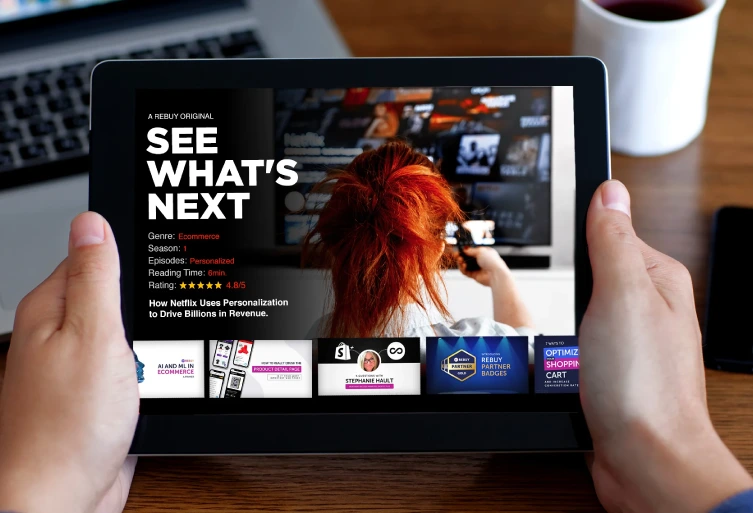
One of Netflix’s biggest technological advantages lies in its use of data.
- Movies watched
- Time spent watching content
- Viewing preferences
- Search history
- Ratings and feedback
Personalized recommendations help viewers discover new shows and movies they are likely to enjoy. As a result, users spend more time watching content and are less likely to cancel their subscriptions.
This focus on data-driven personalization became a major competitive advantage for Netflix.
The Move Into Original Content
As streaming became more popular, Netflix faced growing competition from traditional media companies and film studios.
Many studios began launching their own streaming services, which meant they could withdraw licensed content from Netflix.
To address this challenge, Netflix decided to invest in original programming.
In 2013, Netflix released one of its first major original series, House of Cards.
The show became a massive success and proved that Netflix could compete with traditional television networks.
Benefits of Original Content
- Full ownership of intellectual property
- Exclusive content for subscribers
- Stronger brand identity
- Greater creative control
Today, original programming is a major pillar of the Netflix brand.
Overcoming Major Business Challenges
Although Netflix eventually became successful, the transition to streaming was not without setbacks.
One of the biggest challenges occurred in 2011 when Netflix attempted to separate its DVD rental and streaming services into different pricing plans.
This decision resulted in a price increase for many customers, which caused widespread backlash.
As a result, Netflix lost approximately 800,000 subscribers in a short period.
However, the company quickly adjusted its strategy and refocused on improving the streaming experience.
Over the next few years, Netflix recovered and experienced significant subscriber growth.
Global Expansion Strategy
Another key milestone in Netflix’s journey was its global expansion.
Initially, Netflix operated only in the United States. But the company soon realized that the streaming model could reach audiences worldwide.
Netflix gradually expanded into international markets and now operates in more than 190 countries.
To succeed globally, Netflix began producing region-specific content for different markets.
- International films and TV series
- Multilingual subtitles and dubbing
- Collaborations with global filmmakers
Competition in the Streaming Industry
As Netflix grew, the streaming market became increasingly competitive.
- Amazon Prime Video
- Disney+
- HBO Max
Despite this competition, Netflix continues to remain one of the most influential platforms in the global streaming market.
The company maintains its leadership through constant innovation, large-scale content production, and global reach.
Key Factors Behind Netflix’s Success
The transformation of Netflix was driven by several strategic factors.
1. Visionary Leadership
Netflix leadership understood the long-term impact of technological change and acted early.
2. Willingness to Disrupt Its Own Business
Instead of protecting the DVD rental model, Netflix replaced it with a better digital alternative.
3. Strong Technology Infrastructure
The company invested heavily in streaming technology and cloud systems to ensure smooth delivery of content.
4. Focus on Customer Experience
Netflix consistently prioritized user convenience and personalized recommendations.
5. Strategic Investment in Content
Original programming helped Netflix build a strong brand and reduce dependence on external studios.
Lessons Businesses Can Learn from Netflix
The story of Netflix offers valuable lessons for companies across industries.
Adapt to technological change quickly.
Markets evolve rapidly, and companies must be prepared to adjust their strategies.
Prioritize customer convenience.
Netflix succeeded because it simplified the entertainment experience.
Invest in innovation and data.
Technology and analytics can create powerful competitive advantages.
Think long-term.
Netflix’s streaming strategy took years to fully succeed, but the long-term vision paid off.
The Future of Netflix
Netflix continues to evolve as the entertainment industry changes.
- Interactive storytelling
- Gaming integration
- Advanced AI recommendations
- New pricing and subscription models
Conclusion
The journey of Netflix from a DVD rental company to a global streaming leader represents one of the most successful digital transformations in modern business.
Through bold strategic decisions, technological innovation, and a strong focus on customer experience, Netflix reshaped how people watch movies and television shows.
Its willingness to disrupt its own business model allowed the company to stay ahead of competitors and lead the streaming revolution.
For businesses looking to thrive in a rapidly changing digital world, the Netflix story serves as a powerful reminder that success often requires courage, innovation, and the ability to adapt before the market forces change.
FAQs
Have questions? We’ve answered some of the most common queries to help you understand the topic better
Q1. When was Netflix founded?
Netflix was founded in 1997 by Reed Hastings and Marc Randolph as a DVD rental-by-mail service.
Q2. When did Netflix start streaming?
Netflix launched its streaming service in 2007, allowing users to watch content instantly online.
Q3. Why did Netflix move from DVDs to streaming?
The company recognized that broadband internet would make digital streaming the future of entertainment.
Q4. What was Netflix’s first successful original series?
One of Netflix’s first major original hits was House of Cards, released in 2013.
Q5. What is the biggest lesson from Netflix’s transformation?
The most important lesson is the value of adapting to technological change and innovating before competitors disrupt the market.
Want To Grow Your Business - Connect With KTPL
KTPL – Business Growth Agency, a creative solutions and business growth agency from India.
👉 Visit https://kirnanitechnologies.com
📞 Call us at +91 95093 33000
📧 Email us at contact@kirnanitechnologies.com


