


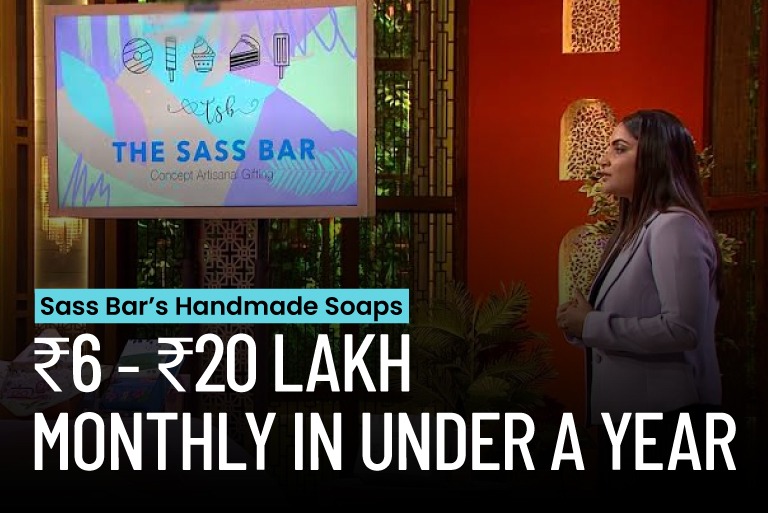
The Indian skincare market is seeing a wave of innovation, and one brand that has caught the spotlight is Sass Bar. Starting from a humble ₹6 lakh monthly revenue, the brand skyrocketed to ₹20 lakh per month in under a year — without compromising on quality or creativity. Their handmade soaps, designed like desserts, have transformed the way people look at skincare.
In this blog, we’ll explore Sass Bar’s journey, strategies, and lessons for entrepreneurs looking to turn passion into profit.
How Sass Bar Started and Found Its Niche
Sass Bar began with a clear vision — to make handmade soaps that are not only good for the skin but also look irresistible. The founder identified a gap in the market: most skincare brands focused only on utility, ignoring the power of presentation. By combining skincare with art, Sass Bar created products that look like gourmet desserts while being safe, natural, and effective.
Their initial sales came from local pop-up markets and Instagram. Early customers were drawn in by vibrant designs and stayed for the quality.
Product Innovation: Turning Soap into an Experience
Between mass-produced soaps and luxury skincare, Sass Bar created a unique middle ground. Every soap is handcrafted using skin-friendly ingredients like shea butter, cocoa butter, and natural oils.
They didn’t just sell soap; they sold an experience. Each bar came with a story, an aesthetic appeal, and the promise of indulgence.
Why Handmade Soaps Stand Out in India
In a market flooded with chemical-based beauty products, handmade soaps stand out for being:
- Chemical-free and safe for sensitive skin
- Customizable in design and fragrance
- Environmentally friendly with minimal packaging
- Aesthetically pleasing for gifting and personal use
This uniqueness became a major selling point for Sass Bar.
Marketing Strategies That Took Sass Bar to ₹20 Lakh Monthly
From logo design to packaging, every detail of Sass Bar reflected luxury and playfulness. Their branding matched their product — creative, colorful, and memorable.
They used Instagram as their main marketing channel, posting high-quality photos, engaging Reels, and behind-the-scenes content.
Influencer Collaborations
Partnering with beauty influencers and lifestyle bloggers brought Sass Bar into the spotlight. The brand leveraged micro-influencers who had engaged audiences, ensuring authentic reviews and word-of-mouth promotion.
Seasonal and Limited-Edition Collections
One of their cleverest moves was launching soaps for special occasions — Valentine’s Day, Diwali, Christmas — with exclusive designs. These limited editions created urgency and boosted sales.
Scaling Production Without Losing Quality
As demand grew, Sass Bar outsourced certain non-core tasks like packaging to reliable vendors while keeping product making in-house. This helped them maintain quality control.
Training and Team Building
They trained new artisans to replicate designs perfectly. This ensured the handmade charm was not lost even as production scaled.
Customer Loyalty: Turning Buyers into Fans
Sass Bar invested in premium packaging. Customers felt like they were unwrapping a luxury gift, not just a soap bar.
Engaging Content
The brand regularly asked customers to share pictures and reviews. These user-generated posts became powerful testimonials.
Lessons for Aspiring Entrepreneurs
Don’t just sell a product — sell a story and an experience.
In today’s digital world, appearance matters. Professional photography and aesthetic branding can elevate any product.
Platforms like Instagram and Pinterest are perfect for visually appealing products.`
Seasonal launches keep your audience excited and engaged.
Happy customers bring repeat sales and free marketing.
Final Thoughts
Sass Bar’s journey shows that a well-crafted product, smart marketing, and consistent branding can turn a small home-based business into a thriving brand in record time. Whether you’re in skincare, food, or fashion, the principles remain the same — creativity, quality, and connection with your audience.
FAQs
Have questions? We’ve answered some of the most common queries to help you understand the topic better
1. What makes Sass Bar’s soaps different from regular soaps?
They are handmade, visually appealing, chemical-free, and made with premium natural ingredients.
2. Are handmade soaps suitable for sensitive skin?
Yes, they’re typically free from harsh chemicals, making them gentle for most skin types.
3. How can small businesses scale like Sass Bar?
Focus on product uniqueness, strong branding, and targeted marketing.
4. Why do limited-edition products sell faster?
They create urgency and exclusivity, motivating customers to buy before stock runs out.
5. Can Instagram really drive sales for handmade products?
Absolutely — with the right visuals, hashtags, and influencer collaborations, it can be a major sales channel.
Want To Grow Your Business - Connect With KTPL
KTPL – Business Growth Agency, a creative solutions and business growth agency from India.
👉 Visit https://kirnanitechnologies.com
📞 Call us at +91 95093 33000
📧 Email us at contact@kirnanitechnologies.com


