


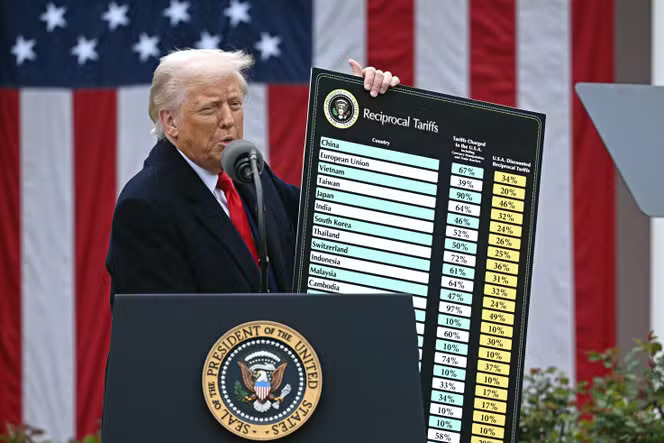
The global economy is once again witnessing a power play between two influential leaders — Russia’s President Vladimir Putin and former U.S. President Donald Trump. The topic? A new round of U.S. sanctions targeting Russian oil giants. While Washington expects financial strain to follow, Moscow appears unfazed. Putin confidently claims that sanctions will not hurt Russia’s economy, while Trump cautiously replies, “We’ll know in six months.”
This ongoing tariff and sanctions battle isn’t just about political rivalry — it’s about the future of global trade, energy security, and economic balance.
Understanding the Sanctions War
The United States has imposed strict sanctions on Russia’s leading oil companies — including Rosneft and Lukoil — accusing them of indirectly funding military activities. These sanctions freeze assets, restrict transactions, and block trade in energy-related sectors.
The sanctions are part of a broader tariff war strategy aimed at curbing Russia’s income sources while increasing diplomatic pressure. But Putin believes Russia’s economy is far more resilient than Western leaders expect.
The global business community is now asking: who’s right — the confident Kremlin or the cautious U.S.?
Putin’s Defiant Stance: “Our Economy is Stable”
Putin’s response to the sanctions is one of calm assurance. During a recent statement, he said the sanctions would have “certain consequences,” but they won’t cause serious damage. He emphasized that Russia’s economic strength, domestic production, and trade diversification have made the country more self-reliant.
Putin described the U.S. actions as “unfriendly” but insisted that Russia has learned to adapt to external pressure. The Kremlin’s focus on domestic manufacturing and expanding energy exports to Asia is part of its long-term survival plan.
This strong response isn’t new — Russia has faced sanctions since 2014 and has since built parallel trade systems with nations like China and India.
Trump’s Response: “Let’s Wait and See”
In contrast, Trump offered a short yet strategic answer: “We’ll know in six months.” This statement shows his belief that sanctions need time to show measurable economic results. According to Trump, global oil prices, trade data, and currency performance will tell the real story within half a year.
Trump’s comments underline the uncertainty surrounding sanctions. Economists say that immediate effects may appear minor, but over time, foreign investments, oil exports, and GDP growth can take a hit. The six-month waiting period will be crucial for understanding the outcome of this power struggle.
The Global Economic Stakes
The U.S.–Russia sanctions war is not an isolated issue. It directly impacts global oil supply, energy pricing, and international markets. When sanctions limit Russian exports, oil supply tightens, causing price spikes worldwide.
Global Energy Market Turbulence
Following the U.S. sanctions announcement, global oil prices surged. Many nations that rely on Russian crude oil started diversifying imports. India, China, and several European nations are closely monitoring the changing market.
Analysts warn that prolonged sanctions could trigger inflation, fuel shortages, and trade imbalances. If prices continue to rise, global consumers will bear the burden.
Financial Systems and Trade Realignment
Beyond oil, sanctions affect how countries settle payments. Russia has been working on alternative financial networks such as the MIR payment system and local currency trade agreements. These steps are designed to reduce dependence on Western-controlled systems like SWIFT.
Economists believe that if Russia successfully builds a new trade ecosystem with Asia and Africa, it could change how international trade operates in the long run.
Russia’s Economic Strategy
Putin’s confidence stems from years of preparation. Since the first wave of sanctions in 2014, Russia has built foreign currency reserves, promoted self-sufficiency, and strengthened ties with China, India, and the Middle East.
These alliances help stabilize export demand for oil, gas, and other commodities. Despite Western pressure, Russia continues to sell energy to many countries, sometimes using alternative currencies.
By expanding trade routes and developing domestic manufacturing, Russia is reducing its exposure to Western markets — a move many economists call “economic decoupling.”
Can Russia Really Stay Immune?
While Putin’s claim of resilience sounds convincing, several experts remain skeptical. Sanctions don’t always cause an immediate crash — instead, they slowly erode financial stability. Restricted technology imports, limited foreign investment, and reduced oil revenue could gradually weaken the economy.
Some reports show signs of currency fluctuations, declining consumer purchasing power, and rising inflation within Russia. The Kremlin’s data transparency also makes it harder for analysts to fully assess the damage.
In the short term, Russia may survive — but sustaining long-term growth without Western technology and finance will be difficult.
Trump’s Calculated Watch
Trump’s statement — “We’ll know in six months” — is more than a casual remark. It’s a strategic observation window. This period allows U.S. policymakers to track economic metrics, oil output, and global responses to the sanctions.
If Russia’s economy holds steady, it will prove that global power structures are shifting toward self-reliance and alternative alliances. However, if trade slows and growth falters, the U.S. may claim its sanctions as a success story.
The Six-Month Countdown
The coming months will be a testing ground for both nations. Analysts are watching for changes in oil production, export volumes, and consumer markets.
If Russia manages to sustain growth, it could reshape how countries respond to Western sanctions in the future. Conversely, if economic data starts showing cracks, it will validate the U.S. approach to economic pressure as a geopolitical tool.
Global Ripple Effects
Impact on India and Emerging Economies
Countries like India are directly affected by shifts in global oil supply. India imports a significant portion of its oil, and sanctions can drive up prices, affecting fuel costs, inflation, and business operations.
Indian refiners are already adjusting to possible disruptions by sourcing crude from multiple suppliers. For developing nations, the sanctions war is a reminder of how interconnected global trade has become.
Changes in Trade Policies
Several nations may start revising trade policies to avoid over-reliance on any single economic bloc. The rise of “economic nationalism” — where countries focus more on domestic resilience — is a growing trend worldwide.
For global businesses, diversification and adaptability will be key in this uncertain trade climate.
The Bigger Picture: Energy, Trade, and Power
At its core, this tariff and sanctions conflict highlights a deeper battle — not just between Russia and the U.S., but between economic independence and global influence.
While the U.S. wants to maintain dominance through sanctions, Russia’s counterstrategy shows that alternative trade systems and self-sustaining economies are possible.
The global order is shifting — from unipolar power to multi-polar trade alliances.
The Road Ahead
As we approach the six-month mark, the world will be watching. Will sanctions break Russia’s confidence, or will Moscow emerge even stronger?
The tariff war isn’t just a political contest; it’s a reflection of the global economy’s future. Businesses, investors, and governments must prepare for evolving trade networks and shifting power balances.
The outcome will determine whether sanctions remain an effective diplomatic weapon — or become a symbol of economic resilience.
Quick Summary
- Putin says sanctions won’t damage Russia’s economy.
- Trump believes the real impact will be clear in six months.
- Oil markets are volatile, with rising global prices.
- Russia is strengthening trade ties with Asia to offset sanctions.
- Global trade is entering a new era of diversification and uncertainty.
FAQs
Have questions? We’ve answered some of the most common queries to help you understand the topic better
Q1. What did Putin say about the new U.S. sanctions?
He said sanctions will not seriously affect Russia’s economy.
Q2. How did Trump respond to Putin’s remarks?
Trump said the real results will be visible in about six months.
Q3. Why are these sanctions important for global trade?
They directly influence oil prices, exports, and international markets.
Q4. Can Russia withstand long-term sanctions?
Short-term, yes; long-term sustainability remains uncertain.
Q5. How does this affect India?
Higher oil prices can increase inflation and impact business costs.
Want To Grow Your Business - Connect With KTPL
KTPL – Business Growth Agency, a creative solutions and business growth agency from India.
👉 Visit https://kirnanitechnologies.com
📞 Call us at +91 95093 33000
📧 Email us at contact@kirnanitechnologies.com


