


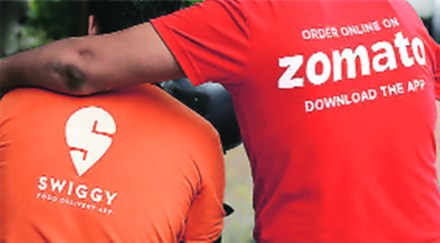
The Indian food delivery ecosystem is undergoing one of its biggest changes in years. Zomato, one of the country’s largest food delivery platforms, is preparing to share customer data with restaurants — a move that could completely reshape how restaurants connect with diners online. Industry insiders also suggest that Swiggy may follow the same model soon.
This development has sparked strong reactions from restaurants, industry bodies, and customers. Many restaurant owners see this as a positive step that will help them build loyalty and reduce dependence on food aggregators. On the other hand, customers are wondering how this impacts their privacy and how their data will be used.
This in-depth blog breaks down everything: why Zomato is changing its approach, how Swiggy may respond, what restaurants gain, what customers should know, and how this could transform India’s food delivery ecosystem.
A Major Shift: Zomato Agrees to Share Customer Data With Restaurants
Zomato is set to implement a system that allows restaurants to access customer data — including names, contact numbers, order details, and frequency of orders — but only after customers give explicit consent. This marks a significant shift from the long-standing practice where Zomato masked customer details to maintain platform control.
Food delivery platforms have always treated customer data as sensitive information, and restaurants have repeatedly demanded access to it. For years, restaurant owners argued that the lack of data restricted their ability to understand their audiences, create effective marketing, and build direct customer relationships.
Why Zomato Is Opening Up Customer Data
Zomato’s move seems to be driven by growing pressure from restaurant associations and regulatory attention around platform dominance. At the center of this push is the National Restaurants Association of India (NRAI), which has long argued that restaurants deserve access to the customers they serve.
The NRAI and Zomato have reportedly reached an understanding that customer phone numbers will be shared only with clear consent and strict usage rules. This allows restaurants to engage with customers while still respecting privacy guidelines.
This shift is seen as a major win for restaurant owners, especially small and mid-sized brands that depend heavily on food delivery channels to survive.
What Kind of Customer Data Will Be Shared?
The data-sharing model is expected to revolve around permission-based access. When a customer places an order from a restaurant, Zomato will show an option asking whether the user wants to share their phone number with the restaurant for future updates.
Only if the customer agrees will the restaurant receive the information.
Data Expected to Be Shared
- Customer name
- Mobile number
- Order history
- Order frequency
- Preferred dishes
- Basic demographic info (where applicable)
This information, while simple, is powerful for restaurants. It lets them tailor their menu, analyze repeat behavior, understand loyalty patterns, and create personalized promotions — something extremely difficult to do without data.
Why Restaurants Believe This Is a Win
For restaurants, especially independent cloud kitchens, the biggest challenge is not serving customers — it’s retaining them. Platforms like Zomato and Swiggy control customer communication, notifications, and recommendations. This means restaurants can serve thousands of customers yet still have no direct relationship with any of them.
How Restaurants Benefit from Zomato’s New Model
- Direct marketing through WhatsApp or SMS
- Better loyalty programs based on actual customer behavior
- Reduced dependence on Zomato and Swiggy ads
- Improved customer service through personalized support
- Insights into customer demand, which can guide inventory and menu development
Restaurants have always said: “We serve the food, but we don’t own the customer.”
This change gives them at least partial ownership over their customer base.
Could Swiggy Follow? Industry Signals Suggest ‘Yes’
The next big question is: Will Swiggy do the same?
Industry experts believe that Swiggy may follow a similar path, mainly because restaurants see this as a must-have feature. If Swiggy does not adapt, many restaurants may push harder for changes or shift their marketing focus toward Zomato.
What Swiggy Is Likely Considering
Swiggy has historically mirrored many of Zomato’s strategic updates — from promotions to subscription models. With restaurants pushing for parity across platforms, Swiggy might explore a controlled version of data-sharing that ensures customer consent and protects platform security.
If both Zomato and Swiggy adopt similar models, this could become a standard practice in India’s food delivery industry.
Why This Move Took So Long: The Background & Tension
For years, the relationship between restaurants and delivery platforms has been complicated. Restaurants accuse Zomato and Swiggy of monopolistic practices — especially related to data, commissions, and listing algorithms. Meanwhile, the platforms argue that customer data must be protected to avoid misuse.
Restaurant Associations vs Aggregators
- Restaurants cannot communicate directly with customers
- High platform commissions hurt margins
- Platforms promote paid listings over true customer preferences
- Discount-heavy culture weakens restaurant profitability
Customer Privacy: The Biggest Question for Users
While restaurants may celebrate, customers are asking important questions:
Will my phone number be misused? Will restaurants start spamming messages? Will my data be safe?
What Customers Need to Know
- Data sharing will be consent-based.
- Phone numbers will only be shared if the customer agrees.
- Consent will be clearly asked during ordering.
Food aggregators are expected to set strict conditions to prevent spam or misuse. Restaurants may also face penalties if they abuse the data.
Still, privacy advocates say the real challenge is ensuring customers fully understand what they are consenting to. The clarity and transparency of the consent interface will play a key role here.
Impact on India’s Food Delivery Market
This move affects multiple areas: competition, customer behavior, restaurant loyalty, and even regulatory attention.
Potential Market Impacts
- More power for restaurants
Restaurants will have a stronger role in customer retention and can depend less on aggregator ads. - Lower marketing costs
Direct communication eliminates the need for promoted listings or paid campaigns inside the apps. - Increased competition between Zomato and Swiggy
Both platforms may innovate further in loyalty, subscriptions, and user experience. - Better customer service
Restaurants can identify frequent buyers and offer personalized responses. - Possible regulatory oversight
Data sharing may attract closer examination from India’s digital privacy authorities.
Will This Reduce Zomato and Swiggy's Power?
Both Zomato and Swiggy have stayed dominant partly because they control customer communication. If restaurants get direct access to customers, the balance of power may shift slightly.
However, platforms will still hold major advantages:
- Customer acquisition
- App convenience and search features
- Trust and user reliability
- Delivery logistics
- Payment and refund infrastructure
So while data sharing may empower restaurants, it won’t reduce the importance of food delivery platforms.
Risks Associated With Data Sharing
Any move involving customer data brings potential risks.
Possible Concerns
- Spam messages if restaurants aggressively market
- Data leakage if small restaurants mishandle customer information
- Misuse by unauthorized staff or third parties
- Customer confusion if permissions are poorly explained
This is why Zomato is likely to implement strong compliance requirements before rolling out access.
What This Means for Small Restaurants and Cloud Kitchens
Small restaurant owners often struggle to build brand recognition, especially in competitive cities. Cloud kitchens, in particular, rely almost entirely on Zomato or Swiggy for orders.
Data Sharing Helps Small Restaurants:
- Understand customer preferences more clearly
- Build loyalty without spending heavily on ads
- Grow through personalized communication
- Highlight special offers directly to their audience
- Compete with bigger brands that have marketing budgets
For the first time, smaller brands can build a repeat customer base outside aggregator platforms.
The Road Ahead: What to Expect Next
The rollout may happen slowly, starting with pilot programs. Zomato may track how restaurants use the data and how customers respond.
What’s Likely to Happen Soon
- Wider beta testing
- A refined consent pop-up
- Clear guidelines for restaurants
- Possible subscription-based advanced data access
- Industry feedback shaping final implementation
Swiggy’s move will depend on how the market reacts to Zomato’s shift. If restaurants show strong support, Swiggy will likely follow to maintain parity.
Conclusion: A Turning Point for India’s Online Food Industry
The decision by Zomato to share customer data with restaurants — with consent — signals a major transformation in the food delivery ecosystem. It empowers restaurants, promotes transparency, and creates opportunities for more personalized customer experiences.
At the same time, this shift brings important questions about privacy, consent, and responsible data usage. Swiggy’s potential response will further shape the future of digital food commerce in India.
When implemented responsibly, this change can create a healthier, more balanced relationship between restaurants, customers, and platforms — setting a new benchmark for how food delivery businesses operate.
FAQs
Have questions? We’ve answered some of the most common queries to help you understand the topic better
1. Why is Zomato sharing customer data with restaurants?
To help restaurants build direct relationships and improve customer engagement with consent.
2. Will my phone number be shared automatically?
No, your number will only be shared if you give permission during the order.
3. Is Swiggy planning something similar?
Swiggy may follow soon as restaurants push for similar access.
4. What can restaurants do with customer data?
They can personalize marketing, improve menus, and offer loyalty benefits.
5. Is this safe for customers?
Yes, as long as platforms enforce strict rules and restaurants use data responsibly.
Want To Grow Your Business - Connect With KTPL
KTPL – Business Growth Agency, a creative solutions and business growth agency from India.
👉 Visit https://kirnanitechnologies.com
📞 Call us at +91 95093 33000
📧 Email us at contact@kirnanitechnologies.com


