


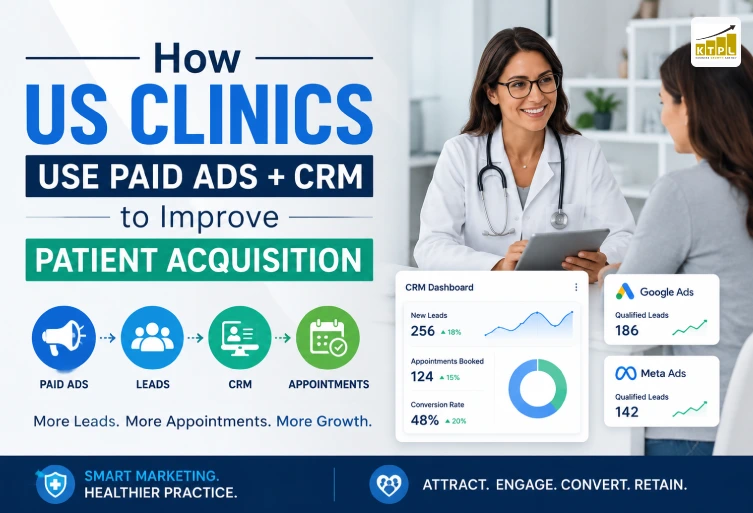
The way patients find healthcare providers has changed significantly over the past few years. Instead of relying only on referrals or traditional advertising, most people now begin their search online. Whether they need a family physician, dentist, dermatologist, pediatrician, or urgent care center, they usually compare clinics through Google Search, online reviews, social media, and clinic websites before booking an appointment. For US Clinics, having a strong digital presence is no longer optional—it’s essential for attracting and retaining patients. Paid advertising has become one of the fastest ways to connect with patients who are actively searching for healthcare services in their local area. However, generating clicks alone doesn’t guarantee appointments. Many clinics lose potential patients because inquiries aren’t followed up promptly or lead information isn’t managed effectively. This is where a HIPAA-compliant Customer Relationship Management (CRM) system becomes invaluable. By combining paid ads with CRM automation, US Clinics can track every inquiry, respond faster, schedule appointments efficiently, and build stronger relationships with patients. This blog explores how US Clinics can use Google Ads, Meta Ads, dedicated landing pages, and CRM software to create a patient acquisition strategy that delivers measurable results. Whether you’re managing a single clinic or a multi-location healthcare practice, these proven digital marketing strategies can help you increase patient inquiries, improve appointment conversions, and maximize your marketing return on investment.
Why Patient Acquisition Is More Competitive for US Clinics
The healthcare industry in the United States has become increasingly competitive as more clinics invest in digital marketing to reach local patients. Today, patients have countless healthcare options available online, making it easier than ever to compare providers before making a decision. They look at online reviews, physician experience, treatment options, appointment availability, insurance acceptance, and overall reputation before choosing a clinic. This means US Clinics must build trust from the very first online interaction. Another challenge is the growing expectation for convenience. Modern patients want fast-loading websites, simple online appointment booking, click-to-call options, and quick responses to their inquiries. If a clinic takes several hours to respond, patients are likely to contact another provider who replies faster. Speed, accessibility, and clear communication have become major factors influencing patient decisions. Competition is particularly strong in cities such as New York, Los Angeles, Chicago, Houston, Miami, Dallas, and Atlanta, where patients can choose from hundreds of healthcare providers. Without a strategic online marketing approach, even highly experienced US Clinics may struggle to maintain a consistent flow of new patients. A combination of paid advertising and CRM technology helps clinics stay visible while improving the overall patient experience. Instead of depending solely on referrals, successful US Clinics focus on building a predictable patient acquisition system. Paid advertising brings qualified visitors to the clinic’s website, while CRM software ensures that every inquiry is followed up professionally. This integrated approach helps reduce missed opportunities, improve appointment bookings, and create long-term patient relationships.
How Paid Ads Help US Clinics Generate Qualified Patients
Paid advertising allows US Clinics to reach people who are actively searching for healthcare services rather than waiting for patients to discover them organically. Platforms like Google Ads place clinics at the top of search results when users search for services such as “family doctor near me,” “emergency dentist,” or “dermatologist in Dallas.” Since these users already have immediate healthcare needs, they are far more likely to schedule an appointment. Google Ads are especially effective because they target search intent. Unlike traditional advertising, which reaches broad audiences, Google Ads focus on patients actively looking for medical care. Clinics can target specific services, cities, ZIP codes, or neighborhoods, ensuring that advertising budgets are spent on reaching local patients who are most likely to visit the practice. This targeted approach improves lead quality while reducing unnecessary marketing costs. Meta Ads on Facebook and Instagram complement Google Ads by building brand awareness and reconnecting with people who have previously visited the clinic’s website. Retargeting campaigns remind potential patients about services they viewed, encouraging them to return and complete their appointment. Educational posts, patient testimonials, clinic updates, and healthcare awareness campaigns also help establish trust within the local community. One of the biggest advantages of paid advertising is measurable performance. US Clinics can track impressions, clicks, phone calls, appointment requests, and completed consultations to understand which campaigns generate the best results. Instead of relying on assumptions, clinics can optimize their marketing strategies based on real performance data, ensuring every advertising dollar contributes to business growth.
Why Dedicated Landing Pages Increase Appointment Bookings
Many healthcare providers make the mistake of directing paid advertisements to their homepage, where visitors must search for the information they need. Dedicated landing pages provide a much better experience by focusing on a single healthcare service. For example, if someone clicks an advertisement for dental implants, they should arrive on a page explaining the treatment, benefits, costs, patient testimonials, and appointment options. This relevance improves trust and increases the likelihood of booking an appointment. A well-designed landing page should clearly explain the service while answering the questions patients commonly ask before contacting a clinic. Information about physician qualifications, clinic facilities, accepted insurance plans, patient reviews, and treatment outcomes helps reduce uncertainty and encourages visitors to take the next step. Including real images of the clinic and healthcare professionals also adds credibility. Mobile optimization is equally important because a large percentage of healthcare searches happen on smartphones. Landing pages should load quickly, display properly on all screen sizes, and offer simple appointment forms with click-to-call functionality. Patients expect a seamless browsing experience, and even small delays can lead to abandoned inquiries. Strong calls to action should appear naturally throughout the landing page. Whether it’s scheduling an appointment, requesting a consultation, or calling the clinic directly, the next step should always be clear and easy to complete. For US Clinics, dedicated landing pages often become the bridge between paid advertising and successful patient acquisition, helping convert online visitors into confirmed appointments.
How CRM Helps US Clinics Convert More Leads into Patients
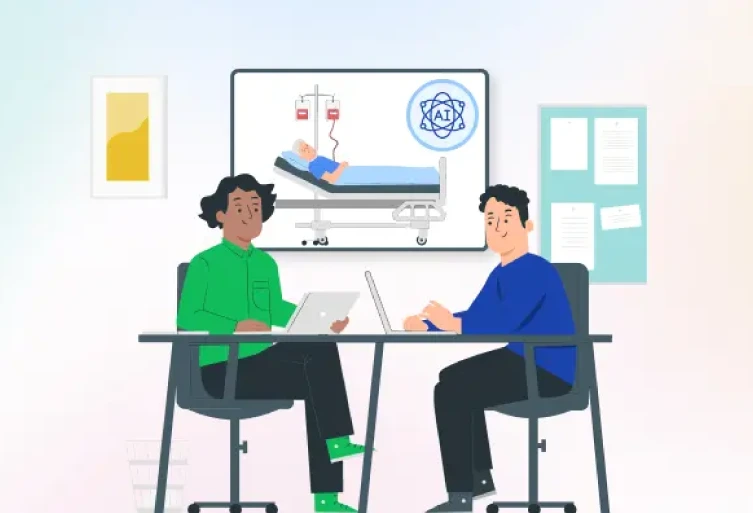
Generating patient inquiries is only the beginning of the acquisition process. The real challenge for US Clinics is ensuring that every inquiry receives a timely response and progresses toward a confirmed appointment. Without a proper system, phone calls may be missed, emails overlooked, and online inquiries forgotten, causing potential patients to choose another healthcare provider. A HIPAA-compliant Customer Relationship Management (CRM) system solves this challenge by organizing every patient interaction in one secure platform. A CRM automatically captures inquiries from multiple sources, including Google Ads, Facebook Ads, website forms, phone calls, and live chat. Instead of manually tracking patient information, clinic staff can access a centralized dashboard that records every interaction. This organized approach reduces administrative errors, improves team collaboration, and ensures that no potential patient is left waiting for a response. Automation is another major advantage of CRM software. As soon as a patient submits an inquiry, the system can send an instant confirmation email or SMS, reassuring them that their request has been received. Automated appointment reminders, follow-up messages, and post-visit surveys further improve the patient experience while reducing missed appointments. For busy US Clinics, these automated workflows save valuable time and allow staff to focus more on patient care. Beyond lead management, CRM platforms provide valuable marketing insights. Clinics can identify where each patient came from, monitor appointment conversions, and evaluate which campaigns generate the highest-quality leads. This data helps US Clinics improve marketing performance while making smarter decisions about future advertising investments.
Measuring Marketing Success for US Clinics
Successful healthcare marketing is not measured by website traffic alone. Instead, US Clinics should focus on performance indicators that directly impact business growth and patient acquisition. Tracking meaningful metrics helps clinics understand whether their paid advertising and CRM strategy is delivering a positive return on investment. One of the most important metrics is Cost Per Patient Acquisition (CPA), which shows how much the clinic spends to acquire one new patient. Clinics should also monitor Cost Per Lead (CPL), conversion rates, appointment bookings, and completed patient visits. These numbers provide a clearer picture of campaign performance than clicks or impressions alone. Marketing reports should also measure the effectiveness of each advertising platform. By connecting Google Ads, Meta Ads, and CRM data, US Clinics can determine which keywords, campaigns, and locations generate the highest-quality patients. This allows marketing budgets to be allocated more efficiently while reducing spending on underperforming campaigns. Another valuable metric is Patient Lifetime Value (PLV). A patient who returns regularly for preventive care, follow-up treatments, or annual check-ups often provides significantly greater long-term value than a single appointment. Measuring both acquisition costs and patient lifetime value helps US Clinics make informed marketing decisions that support sustainable business growth.
Best Practices for US Clinics Using Paid Ads and CRM
To achieve the best results, US Clinics should treat paid advertising and CRM as a connected patient acquisition system rather than separate tools. Every advertisement should lead to a dedicated landing page that provides clear information, answers common patient questions, and encourages appointment booking through simple calls to action. Fast response times are equally important. Patients often contact multiple clinics before making a decision, and the provider that responds first frequently secures the appointment. CRM automation helps clinics acknowledge inquiries immediately while ensuring that staff members follow up quickly with personalized communication. Building trust should remain a priority throughout the patient journey. Positive patient reviews, physician credentials, treatment information, and educational healthcare content all contribute to stronger credibility. Combined with targeted advertising, these trust signals encourage more patients to choose your clinic over competing healthcare providers. Finally, US Clinics should review campaign performance regularly. Healthcare marketing trends, patient behavior, and advertising platforms continue to evolve, making continuous optimization essential. Updating keywords, refining ad copy, improving landing pages, and analyzing CRM reports help clinics generate better results while maximizing their marketing investment.
Conclusion
Patient acquisition has become increasingly digital, and US Clinics must adapt to changing patient expectations to remain competitive. While paid advertising helps clinics reach people actively searching for healthcare services, a HIPAA-compliant CRM ensures that every inquiry is managed efficiently from the first contact to the completed appointment. Together, these tools create a streamlined marketing system that improves lead management, increases appointment bookings, and strengthens patient relationships. Google Ads capture high-intent local searches, while Facebook and Instagram Ads build awareness and reconnect with potential patients. Dedicated landing pages improve conversion rates by providing relevant information and making appointment scheduling simple. CRM software completes the process by automating follow-ups, organizing patient data, and measuring marketing performance, allowing US Clinics to make smarter business decisions based on real results. As competition continues to grow across the healthcare industry, clinics that invest in paid advertising, CRM automation, and patient-focused digital experiences will be better positioned for long-term success. By combining effective marketing with outstanding patient care, US Clinics can attract more qualified patients, improve retention, and achieve sustainable business growth.
FAQs
Have questions? We’ve answered some of the most common queries to help you understand the topic better.
Q1. Why should US Clinics use paid advertising?
Paid advertising helps US Clinics reach local patients who are actively searching for healthcare services, resulting in more qualified inquiries and appointment bookings.
Q2. How does a CRM improve patient acquisition?
A HIPAA-compliant CRM organizes patient inquiries, automates follow-ups, tracks appointments, and ensures every lead receives timely communication, improving conversion rates.
Q3. Which advertising platform is best for US Clinics?
Google Ads are ideal for capturing high-intent searches, while Facebook and Instagram Ads are effective for building brand awareness and retargeting potential patients.
Q4. What metrics should US Clinics track?
Important metrics include Cost Per Lead (CPL), Cost Per Acquisition (CPA), appointment conversion rate, Return on Ad Spend (ROAS), and Patient Lifetime Value (PLV).
Q5. Can small US Clinics benefit from paid ads and CRM?
Yes. Small and independent US Clinics can compete effectively by targeting local audiences, responding quickly to inquiries, and using CRM automation to improve patient engagement.
Want To Grow Your Business - Connect With KTPL
KTPL – Business Growth Agency, a creative solutions and business growth agency from India.
👉 Visit https://kirnanitechnologies.com
📞 Call us at +91 95093 33000
📧 Email us at contact@kirnanitechnologies.com


