


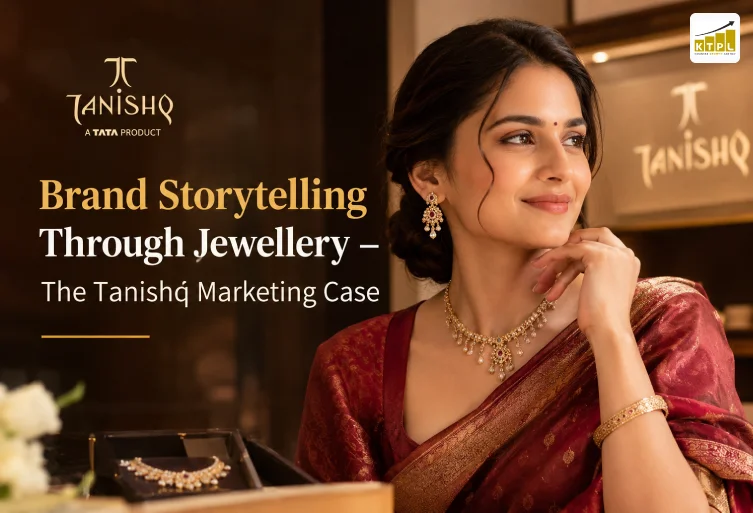
Jewellery has always held a special place in Indian culture, representing love, family traditions, personal achievements, and unforgettable memories. For many people, buying jewellery is not simply a financial decision; it is connected to weddings, festivals, anniversaries, and important milestones. Successful jewellery brands understand this emotional connection and use it to create meaningful relationships with their customers. Tanishq Brand Storytelling is an excellent example of how a brand can communicate these emotions through thoughtful marketing rather than focusing only on product features. Tanishq, a jewellery brand from the Tata Group, has developed a distinctive identity by connecting jewellery with real-life experiences, cultural traditions, women’s individuality, and changing social values. Its campaigns often place people and their stories at the centre of the message, helping audiences connect with the brand on a personal level. This approach offers valuable lessons for businesses looking to improve their brand positioning, advertising, and digital marketing strategies. In this marketing case study, we will explore how Tanishq uses emotional branding, cultural relevance, and customer trust to build a memorable brand identity, along with practical lessons businesses can apply to their own marketing campaigns.
Understanding Tanishq Brand Storytelling and Its Marketing Approach
Tanishq Brand Storytelling is a marketing approach that connects jewellery with human emotions, personal experiences, cultural traditions, and meaningful life events. Instead of presenting every advertisement as a direct sales message, the brand often develops narratives that show how jewellery becomes part of people’s lives. These stories may revolve around weddings, family relationships, women’s achievements, personal choices, and celebrations. By connecting its products with relatable situations, Tanishq gives customers a reason to remember the brand beyond the jewellery itself. This strategy demonstrates how a clear brand narrative can communicate values, create emotional associations, and help a company stand apart in a competitive market. According to Tanishq’s official website, the brand began its journey in 1994 with 18-karat gold watches set with precious stones before expanding into gold and diamond jewellery. Over time, it has established a strong presence in India’s jewellery market through its product collections, retail experience, craftsmanship, and marketing communication. The central idea behind its storytelling approach is that jewellery represents more than its material value. A gold necklace might become a gift from parents, a diamond ring might mark an important relationship, and a traditional ornament might carry memories across generations. When advertisements reflect these experiences, customers can connect the product with emotions they already understand. This is an important distinction between product-focused advertising and emotional branding. Product-focused advertising highlights characteristics such as design, price, materials, and craftsmanship. Emotional branding adds another dimension by explaining why those characteristics matter to the customer. For example, a jewellery advertisement can showcase a necklace’s craftsmanship while telling the story of a family celebrating a daughter’s achievement. The jewellery remains important, but the narrative gives the product additional meaning. Businesses across different industries can learn from this approach. A clothing brand can communicate confidence, a travel company can highlight family memories, and a digital agency can explain how its services help businesses overcome challenges. The product or service remains central, but the story communicates its real-life value.
How Tanishq Uses Emotional Branding and Cultural Relevance
One of the strongest elements of Tanishq Brand Storytelling is its connection with emotions that Indian consumers can recognise from everyday life. Jewellery is closely associated with weddings, festivals, anniversaries, family celebrations, and personal milestones. However, effective emotional marketing does more than display jewellery during these occasions; it explores the relationships, decisions, and memories that make them meaningful. Tanishq’s campaigns have used human-centred narratives to connect jewellery with individuality, changing social expectations, and personal experiences. This approach can make advertisements more memorable because audiences are responding to a relatable story rather than simply viewing a product. When emotional communication reflects genuine experiences, it can strengthen brand recall and help customers develop a more personal association with the business. Tanishq’s #IDidIt campaign celebrated women’s achievements and personal journeys, highlighting determination and independence. The campaign demonstrated how a jewellery brand could participate in a wider conversation about women’s experiences instead of restricting its message to ornaments and luxury. Another example is the Every Woman a Diamond campaign, which celebrated women from different walks of life and connected their individual journeys with the symbolic qualities of diamonds. Rather than treating diamonds exclusively as luxury products, the campaign used them to communicate strength, individuality, and personal growth. These examples show how a brand can use its products to support a broader message that resonates with its audience. You can explore the brand’s wider activities through the Titan Company website, which provides additional information about Tanishq and its position within the company’s portfolio. Cultural relevance is equally important in Indian jewellery marketing. Different regions have their own wedding traditions, jewellery preferences, and family customs. A bride’s jewellery choices in Rajasthan may differ from those of a bride in South India, while younger customers may prefer designs that combine traditional influences with contemporary fashion. A thoughtful marketing campaign recognises these differences without assuming that every customer has identical preferences. By understanding cultural traditions and modern lifestyles, businesses can develop communication that feels relevant to specific audiences while maintaining a consistent brand identity. However, emotional and cultural storytelling must remain authentic. Businesses should avoid exaggerated claims, stereotypical portrayals, or narratives that do not reflect the people they want to reach. Genuine representation is more valuable than using cultural references simply to attract attention. The lesson is that customers are more likely to connect with stories that respect their experiences. Whether a business serves a local audience or customers across India, understanding people’s values can help it communicate more effectively.
The Role of Trust and Consistency in Tanishq's Marketing Strategy
Emotional storytelling can attract attention, but trust is essential for building lasting customer relationships. Jewellery purchases often involve considerable spending, so customers want reliable information about gold purity, product quality, pricing, craftsmanship, and after-sales services. Tanishq’s brand communication operates alongside its retail experience, product offerings, and customer-facing processes. This combination is important because marketing creates expectations that the actual shopping experience must support. Tanishq Brand Storytelling therefore offers a broader lesson about brand management: a memorable advertisement can introduce a brand’s values, but consistent product quality and customer service help reinforce those values over time. When communication and customer experience work together, a brand has a stronger foundation for maintaining customer confidence and encouraging repeat purchases. For example, a customer might discover Tanishq through an advertisement about a wedding or a meaningful family occasion. The story may encourage that person to explore the collection, but the eventual purchase decision will also depend on practical considerations, including the available designs, product details, budget, and store experience. This demonstrates why storytelling should not be separated from the overall customer journey. Advertising builds awareness, informative website content answers questions, and the purchasing experience helps customers evaluate whether the brand meets their expectations. The same principle applies to small businesses and service providers. A digital marketing agency can describe how it helps businesses grow, but its website, communication, project delivery, and client support must reflect that promise. A footwear retailer can promote comfort, but customers should also find products that meet their practical needs. Consistency across communication channels is another important factor. When a company’s website, social media, advertisements, and customer service communicate conflicting messages, customers may struggle to understand what the brand represents. A clear brand narrative helps keep these interactions connected. Businesses should also support marketing claims with evidence. Real customer experiences, accurate product information, transparent policies, and relevant examples are more credible than unsupported promises. Emotional storytelling works best when it reflects what the business can genuinely deliver. For companies investing in long-term growth, the key takeaway is to treat trust as part of the marketing strategy rather than merely an advertising theme. A brand’s reputation develops through repeated interactions, and each interaction influences how customers perceive its promises.
Marketing Lessons Businesses Can Learn from Tanishq Brand Storytelling
The most valuable lesson from Tanishq Brand Storytelling is that customers often connect with brands for reasons that extend beyond product specifications. Businesses should understand their audience’s needs, motivations, concerns, and aspirations before creating campaigns. They should also establish a consistent brand message so that individual advertisements, website articles, and social media posts contribute to a recognisable identity. Emotional content should remain authentic and connected to the product or service, while practical information helps customers make informed decisions. Finally, storytelling should be treated as an ongoing marketing activity rather than a single campaign, with results measured through customer engagement, website visits, enquiries, conversions, and feedback. These principles can help businesses of different sizes build stronger customer relationships without needing to copy the advertising style of a major brand.
Here are five practical lessons businesses can apply:
- Understand your audience: Research what customers value, what problems they face, and what influences their purchasing decisions.
- Focus on the human experience: Explain how your product or service fits into customers’ lives instead of listing features alone.
- Maintain a consistent brand identity: Keep your messaging aligned across your website, social media, advertising, and customer service.
- Use credible stories: Share genuine customer experiences, verified results, and meaningful examples rather than exaggerated claims.
- Measure marketing performance: Monitor relevant engagement, qualified traffic, enquiries, conversions, and customer feedback to understand what works.
For businesses working on their digital presence, these principles can be translated into a practical content strategy. A company can publish educational blogs that answer customer questions, case studies that explain real challenges and outcomes, and social media content that communicates its values. Each format should have a clear purpose and provide something useful to its audience. For KTPL – Business Growth Agency, this approach highlights the importance of combining brand strategy, website design, search engine optimisation, and content marketing. A business website should not simply list services; it should explain how those services address customer needs, demonstrate expertise, and guide potential clients towards the next step. Internal links can connect educational articles with relevant service pages and related blog posts. External links should support factual claims and direct readers to credible sources. Clear headings, descriptive titles, relevant keywords, and concise answers to common questions can further improve the reading experience. SEO, AEO, and GEO work best when the content provides genuine value. SEO helps organise content around relevant search intent, AEO encourages direct and useful answers to questions, and GEO emphasises clear, well-supported information that can be interpreted in context by generative search systems. No particular format guarantees visibility, but helpful content gives audiences a stronger reason to engage with a brand. Ultimately, the aim is not to reproduce Tanishq’s campaigns. It is to understand how meaningful stories, consistent brand values, and reliable customer experiences can work together to support sustainable business growth.
Conclusion
Tanishq Brand Storytelling demonstrates how a jewellery brand can connect its products with emotions, cultural traditions, personal achievements, and customer trust. Its marketing approach shows that jewellery advertising can communicate more than beauty and luxury; it can also reflect relationships, individuality, and meaningful life experiences. For businesses, the important lesson is to understand customers before developing campaigns and to ensure that brand promises are supported by genuine products and reliable service. Companies do not need large advertising budgets to use these principles effectively. By sharing authentic stories, creating helpful website content, and maintaining a consistent brand identity, they can build stronger customer relationships and improve their digital presence. The most effective storytelling combines emotional connection with practical value, helping customers understand not only what a business offers, but also why it matters.
FAQs
Have questions? We’ve answered some of the most common queries to help you understand the topic better.
Q1. What is Tanishq Brand Storytelling?
It is the use of jewellery-related stories, emotions, cultural traditions, and personal experiences to communicate Tanishq’s brand identity and connect with customers.
Q2. Why is storytelling important in Tanishq's marketing?
It helps make the brand more relatable and memorable by connecting jewellery with meaningful life events and customer experiences.
Q3. Which Tanishq campaigns demonstrate emotional branding?
The #IDidIt and Every Woman a Diamond campaigns are examples of communication centred on women’s achievements, individuality, and personal journeys.
Q4. How can small businesses apply Tanishq's marketing lessons?
They can understand their audiences, share authentic stories, communicate consistent values, and create useful content across relevant channels.
Q5. How does brand storytelling support SEO, AEO, and GEO?
Clear, informative stories provide context, answer customer questions, and help search systems understand the subject when supported by useful structure and credible sources.


