



Introduction: The Success Story of Taj Hotels in Luxury Hospitality
Taj Hotels is one of India’s most iconic luxury hospitality brands, known worldwide for its exceptional services, heritage properties, and customer-focused approach. The brand has successfully combined traditional Indian hospitality values with modern luxury standards to create memorable experiences for travellers. The Taj Hotels brand case study shows how a company can build a powerful identity by focusing on trust, emotional connections, and consistent service quality. Instead of selling only hotel rooms, Taj Hotels sells experiences, comfort, culture, and lifelong memories. Founded in 1903 by Jamsetji Tata, Taj Hotels started its journey with the opening of the Taj Mahal Palace in Mumbai. The vision was to create a world-class hotel that represented India’s growth, elegance, and hospitality excellence. Over more than a century, Taj Hotels has transformed from a single heritage property into a globally recognised luxury hospitality brand. Its success is based on strong brand values, premium services, employee dedication, and a deep understanding of guest expectations. The brand’s famous philosophy of “Tajness” represents its commitment to personalised hospitality and creating emotional connections with guests. This unique service culture has helped Taj Hotels become a benchmark in the Indian and global luxury hotel industry. This Taj Hotels marketing strategy case study explores how the brand uses heritage, customer experience, services marketing, and innovation to maintain its position as one of the world’s most respected hospitality brands.
History and Legacy of Taj Hotels: Creating a Timeless Hospitality Brand
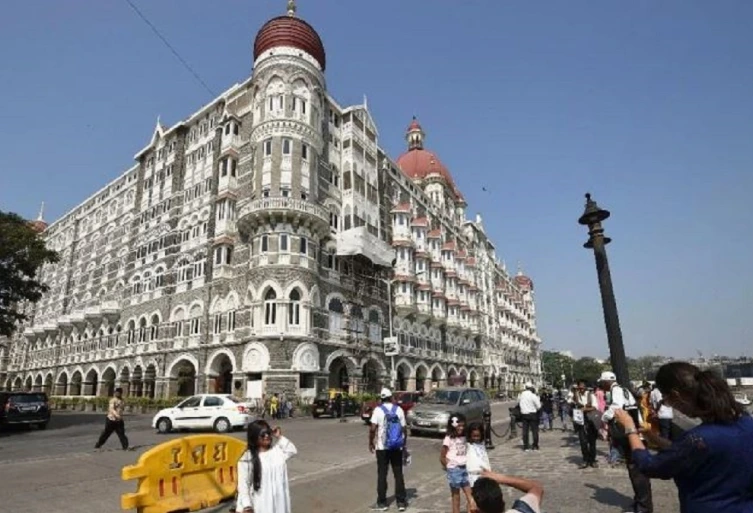
The journey of Taj Hotels began in 1903 when Jamsetji Tata established the Taj Mahal Palace in Mumbai. The hotel was created with the vision of introducing international-quality hospitality in India while showcasing the country’s culture and excellence. The Taj Mahal Palace quickly became a symbol of luxury, architecture, and Indian pride. With its grand design, exceptional service standards, and premium guest experience, the property attracted business leaders, celebrities, and international visitors from across the world. Being a part of the Tata Group provided Taj Hotels with a strong foundation built on trust, ethical business practices, and customer commitment. The Tata legacy played an important role in developing confidence among customers and establishing Taj as a reliable luxury brand. Over the years, Taj Hotels expanded its portfolio with luxury resorts, palace hotels, urban properties, and international destinations. The brand carefully selected locations that enhanced its premium positioning, including major cities, heritage destinations, and popular travel locations. The biggest strength of Taj Hotels is its ability to convert history into an experience. Guests do not simply stay at a Taj property; they experience Indian culture, traditional hospitality, luxury architecture, and personalised services. Today, Taj Hotels represents a perfect combination of heritage and modern hospitality. Its century-long journey proves that a strong brand can remain successful by protecting its core values while adapting to changing customer expectations.
Taj Hotels Brand Positioning Strategy: The Power of Luxury and Emotional Branding
Taj Hotels has created a unique position in the hospitality market by combining luxury, Indian heritage, and personalised guest experiences. The brand does not compete only through premium facilities but focuses on creating emotional value for customers. The positioning strategy of Taj Hotels is based on the idea that luxury is not only about expensive rooms or beautiful locations. True luxury comes from personalised attention, comfort, trust, and the feeling of being genuinely welcomed. The brand uses Indian hospitality principles, especially the concept of “Atithi Devo Bhava,” to create meaningful guest relationships. This traditional value has been transformed into a modern service philosophy that appeals to both Indian and international travellers. Taj Hotels focuses on experience-based branding where every detail contributes to the overall guest journey. From architecture and interior design to food, employee behaviour, and cultural experiences, every element supports the brand promise. The iconic properties of Taj Hotels also strengthen its brand image. Staying at locations like the Taj Mahal Palace Mumbai is considered a luxury experience because guests become part of a historic and memorable journey. This emotional branding approach gives Taj Hotels a strong competitive advantage. While many hotels provide luxury facilities, Taj creates a deeper connection by making guests feel valued, respected, and personally cared for.
The Tajness Philosophy: Building Exceptional Customer Experiences
The “Tajness” philosophy is one of the biggest reasons behind the success of Taj Hotels. It represents the unique feeling guests experience when they stay at a Taj property, where every interaction reflects warmth, care, and personalised service. Tajness focuses on understanding guest expectations and creating experiences that go beyond standard hospitality. Employees are encouraged to observe customer needs, provide thoughtful solutions, and create moments that guests remember for years. One of the strongest aspects of Taj Hotels is employee empowerment. Team members are trained and trusted to make decisions that improve guest satisfaction instead of depending only on fixed procedures. This approach creates a culture where employees feel connected with the brand’s mission. Their dedication and commitment become a major part of the customer experience and help Taj Hotels maintain consistent service quality. In the luxury hospitality industry, many brands can offer premium rooms and facilities, but creating emotional relationships is more challenging. Taj Hotels achieves this by combining professional service with genuine human connection. The Tajness philosophy demonstrates that successful service brands are built through people, values, and experiences. It remains a powerful example of how customer experience can become a brand’s biggest competitive advantage.
Taj Hotels Marketing Strategy: Building a Premium Luxury Hospitality Brand
The marketing strategy of Taj Hotels focuses on creating strong emotional connections with customers rather than promoting only hotel facilities. The brand understands that luxury hospitality is about experiences, memories, and personalised services that make guests feel special. Taj Hotels uses a combination of heritage marketing, storytelling, digital presence, and customer experience management to strengthen its position in the luxury hospitality industry. The brand highlights its history, iconic properties, and exceptional services to build trust among travellers. One of the strongest elements of Taj Hotels marketing strategy is storytelling. Instead of traditional promotional campaigns, the brand shares stories about its heritage buildings, employee dedication, guest experiences, and cultural connections. These stories create emotional engagement and improve brand recall. The company also focuses on relationship marketing by building long-term connections with guests. Loyalty programs, personalised offers, and customised experiences help Taj Hotels encourage repeat visits and maintain customer trust. Digital platforms have further strengthened the brand’s marketing approach. Through social media, online content, and digital booking experiences, Taj Hotels connects with modern travellers while maintaining its premium image. Overall, Taj Hotels proves that successful hospitality marketing is not only about selling services but about creating meaningful experiences that customers remember and share with others.
Services Marketing Mix (7Ps) of Taj Hotels: Complete Brand Analysis
The services marketing mix of Taj Hotels explains how the brand manages different aspects of hospitality services to deliver a premium customer experience. Since hospitality is a service-based industry, every interaction plays an important role in customer satisfaction. The product strategy of Taj Hotels focuses on providing luxury accommodation, heritage experiences, fine dining, wellness facilities, and personalised guest services. The brand offers different types of properties, including palace hotels, resorts, and urban luxury hotels, to serve different customer segments. The pricing strategy follows a premium approach where customers pay for quality, exclusivity, and exceptional service. Taj Hotels positions itself as a luxury brand where the value comes from experience, trust, and personalised hospitality rather than only physical facilities. The place strategy focuses on selecting premium locations that improve brand visibility and customer appeal. Taj properties are located in major business cities, tourist destinations, and heritage locations, making them attractive for both domestic and international travellers. The promotion strategy of Taj Hotels depends on storytelling, public relations, digital marketing, and word-of-mouth recommendations. The brand focuses on building reputation and emotional connections instead of relying only on traditional advertisements. The people element is one of the strongest parts of Taj Hotels’ service strategy. Employees are trained to provide warm, personalised, and efficient services while representing the values of Indian hospitality. The process strategy ensures a smooth guest journey through easy bookings, personalised communication, efficient check-ins, and digital services. Every step is designed to make the customer’s experience comfortable and convenient. Physical evidence also plays a major role in luxury hospitality. Taj Hotels creates a premium atmosphere through elegant architecture, heritage designs, luxurious interiors, fine dining spaces, and attention to every visual detail. The 7Ps marketing mix shows how Taj Hotels successfully combines service quality, employee excellence, and brand presentation to create a world-class hospitality experience.
Taj Hotels Crisis Management: A Story of Resilience and Reputation Building
The 2008 Mumbai attack was one of the most difficult challenges faced by Taj Hotels. The iconic Taj Mahal Palace Mumbai was affected during the incident, creating a major crisis for the brand and the hospitality industry. However, the response of Taj Hotels became a globally recognised example of crisis management and brand resilience. The company focused on protecting guests, supporting employees, and rebuilding customer confidence during a difficult period. The bravery and dedication shown by Taj employees became an important part of the brand story. Many employees demonstrated exceptional courage while helping guests, showing the strong values and service culture developed within the organisation. After the incident, Taj Hotels quickly focused on recovery and restoration. The reopening of the Taj Mahal Palace became a symbol of strength, hope, and commitment towards customers and employees. From a marketing perspective, Taj Hotels transformed a challenging situation into a story of trust and humanity. The brand’s response strengthened its reputation and showed customers that its values were genuine. The crisis management approach of Taj Hotels teaches businesses that strong brands are not only built during successful times but are also tested during difficult situations. Customer trust, employee loyalty, and brand values become powerful assets during a crisis.
Digital Marketing Strategy of Taj Hotels: Connecting With Modern Travellers
Taj Hotels has successfully adapted its luxury branding approach to the digital era by creating a strong online presence. The brand uses digital platforms to connect with customers, promote experiences, and simplify the booking journey. The digital marketing strategy of Taj Hotels focuses on content marketing, social media engagement, online reputation management, and personalised customer communication. These methods help the brand reach modern travellers who research and plan their trips online. Through social media platforms, Taj Hotels shares attractive content related to luxury experiences, destinations, food, wellness, and heritage properties. This visual storytelling helps create interest among potential customers and strengthens brand recognition. The company also uses digital platforms to improve customer convenience. Online booking systems, personalised recommendations, and customer support services make the overall guest journey smoother. Taj Hotels’ loyalty programs help strengthen customer relationships by offering personalised benefits and encouraging repeat bookings. Understanding customer preferences allows the brand to create more relevant experiences. The digital transformation of Taj Hotels shows how traditional luxury brands can successfully combine heritage with technology. By maintaining its premium identity while adopting digital innovation, Taj continues to stay relevant in a competitive market.
Key Marketing Lessons From Taj Hotels Brand Case Study
The Taj Hotels brand case study provides valuable lessons for businesses across different industries. The first lesson is the importance of building a brand around strong values and customer trust. Taj Hotels demonstrates that customer experience is one of the strongest factors behind long-term success. Businesses that focus on understanding customer needs and delivering personalised solutions can create stronger loyalty. Another important lesson is the power of storytelling. Taj Hotels uses its history, people, and experiences to create emotional connections with customers. Brands can use authentic stories to improve engagement and build recognition. Employee involvement is also a major learning point. Taj Hotels proves that well-trained and motivated employees can become powerful brand ambassadors who directly influence customer satisfaction. Consistency is another key factor behind Taj Hotels’ success. Maintaining quality standards across different properties helps customers trust the brand and expect a reliable experience. The journey of Taj Hotels shows that successful brands are created through a combination of innovation, customer focus, strong values, and continuous improvement. Its marketing strategy remains an excellent example for businesses looking to build a premium and trusted brand.
FAQs
Have questions? We’ve answered some of the most common queries to help you understand the topic better.
Q1. What makes Taj Hotels a successful luxury hotel brand?
Taj Hotels is successful because it combines Indian heritage, premium services, personalised experiences, and strong customer relationships. The brand focuses on creating memorable experiences rather than only providing accommodation.
Q2. What is the marketing strategy of Taj Hotels?
The marketing strategy of Taj Hotels includes luxury branding, storytelling, customer experience management, digital marketing, and relationship-building with customers.
Q3. What is Tajness in Taj Hotels?
Tajness is the service philosophy of Taj Hotels that focuses on personalised hospitality, genuine care, and creating memorable guest experiences.
Q4. How does Taj Hotels create customer loyalty?
Taj Hotels builds loyalty through exceptional service quality, personalised experiences, premium properties, loyalty programs, and consistent hospitality standards.
Q5. Why is Taj Hotels considered a premium Indian hospitality brand?
Taj Hotels is considered a premium Indian hospitality brand because it represents Indian culture, heritage, and luxury while maintaining international service standards.
Want To Grow Your Business - Connect With KTPL
KTPL – Business Growth Agency, a creative solutions and business growth agency from India.
👉 Visit https://kirnanitechnologies.com
📞 Call us at +91 95093 33000
📧 Email us at contact@kirnanitechnologies.com


