


Getting featured on Shark Tank is often considered a dream opportunity for startups. Entrepreneurs come with their business ideas, present them in front of successful investors, and hope to secure funding along with expert mentorship. For many viewers, getting a deal from the sharks looks like a direct path to success. It creates trust, brings media attention, and helps businesses gain instant recognition in the market.
However, the reality of business is much more complex. A Shark Tank deal can open doors, but it cannot guarantee long-term growth. Many startups that received funding still failed because they could not manage operations, customer demand, production costs, or scaling challenges. Business success depends on execution, not just investment.
In this blog, we will discuss several Shark Tank brands that failed despite getting a deal. We will also understand the reasons behind their failure and what business owners can learn from them. If you are interested in startups, entrepreneurship, and Shark Tank success stories, this guide will give you valuable insights.
Why Shark Tank Deals Do Not Guarantee Success
Many people assume that once a startup gets investment from Shark Tank, the business is set for life. In reality, funding is only one part of the journey. A business still needs strong customer demand, efficient operations, and a clear strategy for sustainable growth. Without these elements, even a funded startup can struggle badly.
A startup may get attention after appearing on television, but attention does not always convert into sales. Some products look interesting during a pitch but fail to create repeat customers in the real market. Others face production issues, high costs, or management problems that slowly damage the business.
Another major challenge is scaling. Many founders are good at building ideas but struggle when the business grows. Hiring the right team, managing logistics, handling customer service, and maintaining quality become difficult. This is why many Shark Tank-funded brands eventually shut down despite having investor support.
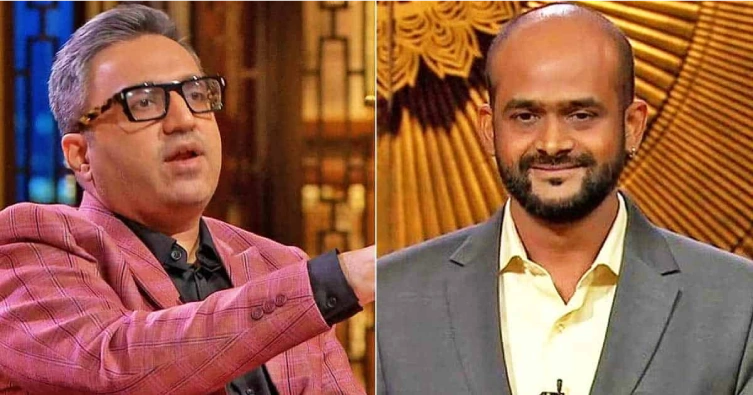
Sippline – The Glass Cover Brand
Sippline became one of the most viral startups from Shark Tank India Season 1. The founder introduced reusable glass covers that were designed to protect drinks from dust, insects, and contamination. The idea was simple, hygiene-focused, and visually interesting, which helped it gain strong attention from viewers across social media platforms.
The product looked unique and created curiosity among the audience. Because of this visibility, many people expected the brand to perform well in the market. The founder also received support and recognition after appearing on the show, which gave the business a strong starting point.
However, the business struggled because customers did not see the product as an everyday necessity. People found the idea interesting, but they were not willing to buy it regularly. The product lacked strong repeat demand, which made long-term growth difficult. Eventually, Sippline shut down in 2023, showing that uniqueness alone is not enough for business success.
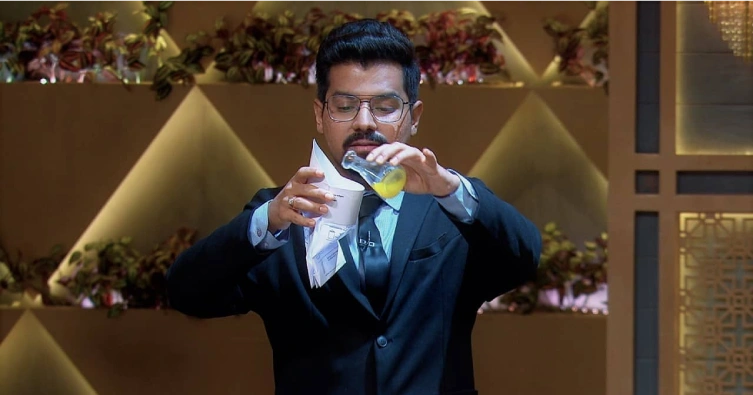
Peeschute – Pocket Toilets Startup
Peeschute introduced disposable pocket urination bags designed for situations where proper toilets were not available. The startup focused on travel convenience, hygiene, and sanitation, especially for women, senior citizens, and people facing emergency situations during journeys. It was seen as a problem-solving product with a practical use case.
The founders received funding and gained major visibility after their Shark Tank appearance. Many people appreciated the innovation because it addressed a real-life inconvenience. The product also had potential in travel, healthcare, and emergency use markets, which made the concept appear promising.
Despite this, the company struggled with customer adoption. Many people were not comfortable using the product regularly, and changing customer behavior became a major challenge. Distribution and market acceptance remained weak, which affected long-term sustainability. Reports suggest that Peeschute shut down in early 2024, proving that even useful products can fail if the market is not ready.
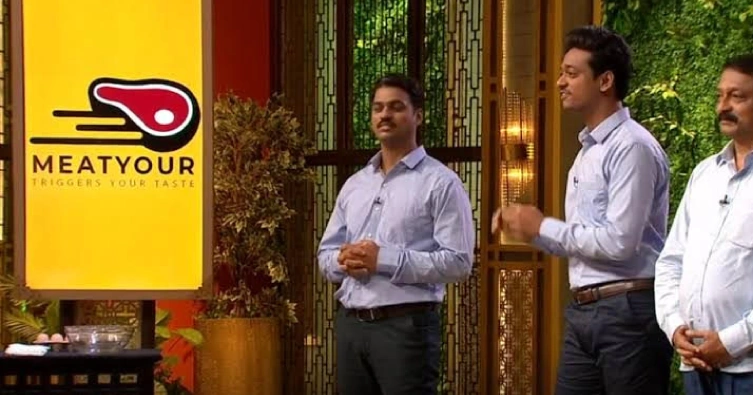
Meatyour – Egg Farming Startup
Meatyour was a startup connected to the poultry and egg farming industry. The founders aimed to improve farming efficiency and create better supply chain systems within the agriculture sector. Unlike many consumer-focused startups, this business was built around industry operations and backend improvements rather than direct retail sales.
The business attracted attention because agriculture and food supply are essential sectors with long-term demand. Investors saw potential in the startup’s ability to improve production quality and operational efficiency. It looked like a practical and scalable business opportunity within a strong market segment.
However, agricultural businesses require deep operational control, financial discipline, and strong supply consistency. Scaling such businesses is much harder than it appears on television. Meatyour reportedly faced difficulties in expansion and maintaining sustainable operations. Due to these challenges, the startup closed in 2023, highlighting the importance of backend strength over investor confidence.
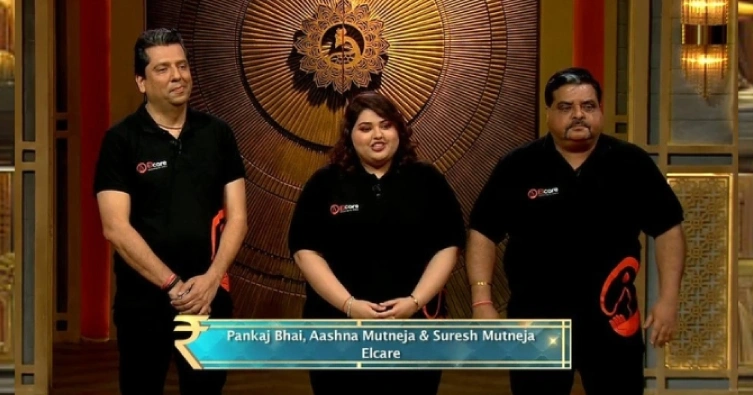
Elcare – Elderly Care Services
Elcare focused on providing professional care services for elderly people and senior citizens. In modern urban families, many people struggle to give full-time attention to aging parents, which creates a growing need for trusted elderly care services. The startup aimed to solve this emotional and practical challenge through structured support.
The concept had strong social relevance and market demand. With India’s changing family structures and increasing urban work pressure, elderly care is becoming an important service sector. Investors saw this as a meaningful and scalable opportunity because the problem was genuine and growing.
Still, service-based businesses are difficult to scale compared to product-based startups. Maintaining consistent service quality, building customer trust, managing staff, and ensuring smooth operations require constant effort. Elcare reportedly shut down in early 2024 because these operational challenges became difficult to sustain. This shows that service businesses need strong execution at every level.
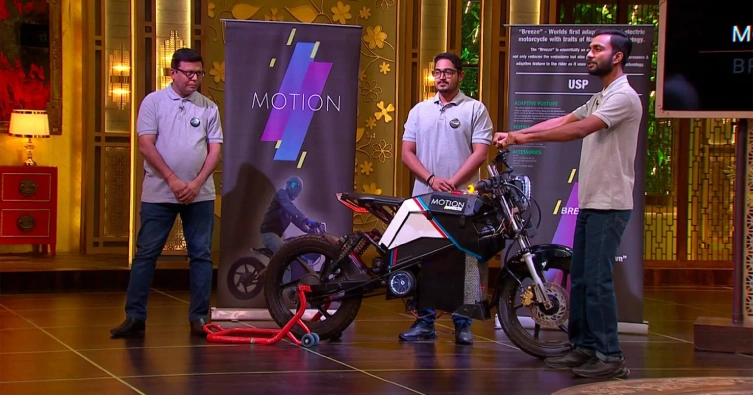
Motion Breeze – Electric Bike Company
Motion Breeze entered the electric vehicle market with electric bikes and mobility-focused solutions. As EV adoption increased across India, the startup looked well-positioned in a fast-growing industry. Investors and viewers saw strong future potential because electric mobility was becoming one of the most discussed business sectors.
The startup gained attention because electric bikes represent both convenience and sustainability. With fuel prices rising and environmental awareness growing, the business seemed aligned with future consumer demand. This made Motion Breeze appear like a smart and timely investment opportunity.
However, EV startups often face high manufacturing costs, supply chain disruptions, and strong competition from larger players. Maintaining product quality while keeping prices competitive becomes a major challenge. Motion Breeze could not sustain long-term operations because of these pressures. Its failure reminds founders that entering a trending market is not enough without strong operational support.
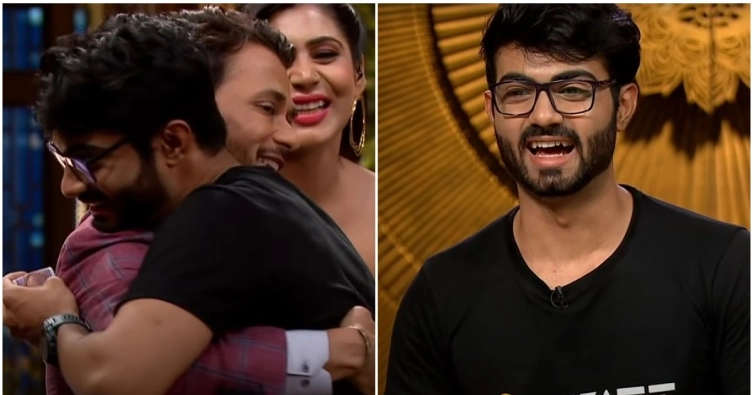
Watt Technovations – Ventilation Innovation
Watt Technovations focused on innovative ventilation and cooling systems designed to improve energy efficiency. The startup offered technically strong products aimed at solving practical industrial and commercial problems. It attracted attention because the idea combined innovation with long-term utility, making it more than just a trend-based business.
The founders positioned the business around efficiency and sustainability, which are important factors for modern industries. Investors recognized the value of practical innovation, especially in sectors where operational savings matter. The startup had strong technical credibility and looked promising for industrial growth.
Despite having a useful product, hardware businesses are often difficult to manage. Manufacturing consistency, inventory control, and large-scale production require serious capital and planning. Even a strong product can fail if execution becomes weak. Watt Technovations eventually shut down because scaling and supply-side issues created long-term pressure.

Tweeinone – Fashion Brand
Tweeinone was a fashion startup that entered the market with a creative clothing concept and fresh brand identity. Fashion businesses often gain quick attention because visual appeal and trend-based products attract customers fast. The founders aimed to create a unique place in a highly competitive market.
The startup generated interest because fashion allows strong emotional connection with buyers. A good concept, combined with branding and customer engagement, can create loyal audiences quickly. This made Tweeinone look like a promising brand with growth potential.
However, fashion is also one of the most competitive industries. Customer loyalty is difficult to maintain, and repeat purchases depend heavily on brand strength and market relevance. Without strong retention and sustainable business strategy, growth becomes unstable. Tweeinone failed to maintain its model and eventually shut down, proving that branding alone cannot build a lasting business.
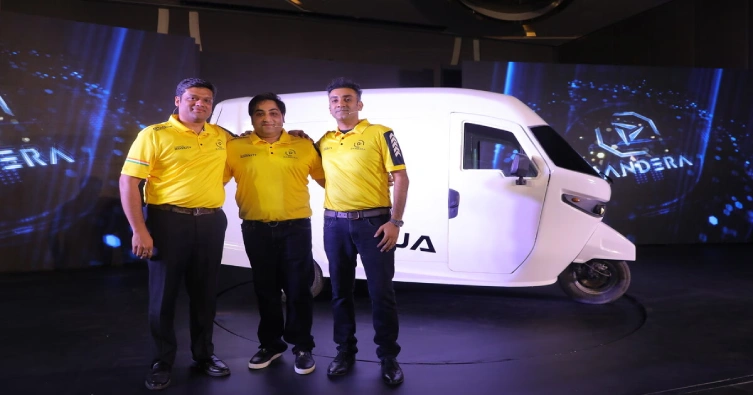
Dandera Technologies (OTUA) – EV Startup
Dandera Technologies, also known as OTUA, was another startup from the electric vehicle sector. The company focused on sustainable transportation solutions and entered the market with strong future potential. EV startups naturally attract attention because the industry promises long-term relevance and investor interest.
The business looked strong because transportation is a high-demand sector and electric mobility continues to expand rapidly. Investors often see these businesses as future-driven opportunities with the potential for large-scale impact. This made the startup stand out during its Shark Tank journey.
Still, high operational costs and production challenges created serious difficulties. Competition in the EV market is intense, and maintaining sustainable financial growth requires strong planning. The company could not continue its operations successfully and struggled to survive. This shows that high-potential industries still demand disciplined execution and not just investor enthusiasm.
Common Reasons Shark Tank Brands Fail
Many Shark Tank brands fail for similar reasons, even though their industries and products are different. One of the biggest reasons is poor product-market fit. A product may look exciting on television, but if customers do not see long-term value in it, repeat sales become impossible. Without repeat customers, survival becomes difficult.
Another major issue is high manufacturing and operational costs. Startups dealing with physical products often face rising expenses in production, shipping, packaging, and inventory management. If profit margins are too low, growth becomes risky and unstable.
Scaling problems also destroy many businesses. Growing too fast without strong systems creates pressure on customer service, logistics, and quality control. Weak leadership, poor financial planning, and lack of strategic direction further increase the chances of failure. These common problems explain why even funded businesses can collapse after Shark Tank.
Rejected Brands That Became Success Stories
Interestingly, some of the biggest business success stories came from startups that were rejected on Shark Tank. This proves that investor rejection does not define the future of a business. Sometimes the sharks do not see the full potential, but the founders continue building and achieve massive growth later.
The most famous example is Ring, previously known as DoorBot. The company failed to secure a deal on Shark Tank, and many investors were not convinced by the product. However, the founder continued improving the business and eventually built one of the biggest smart home security brands in the world.
Later, Amazon acquired Ring for more than one billion dollars, making it one of the most famous Shark Tank success stories. In India, Torch-It is another example of rejection turning into success. The company was rejected on Shark Tank India but continued growing and built strong market value. These stories prove that persistence often matters more than investor approval.
Final Thoughts on Shark Tank Success and Failure
Shark Tank creates opportunities, but it does not create guaranteed success. Investment, media attention, and mentorship can help startups move faster, but real business growth happens after the cameras stop rolling. Founders still need strong execution, customer understanding, and operational discipline to survive in the real market.
Brands like Sippline, Peeschute, Meatyour, Elcare, and Motion Breeze show that even funded businesses can fail if they cannot solve market challenges effectively. At the same time, examples like Ring and Torch-It prove that rejection does not mean the end of the journey.
The true lesson from Shark Tank is simple—business success depends on solving real problems and building sustainable systems. Whether a startup gets funding or not, long-term growth always depends on execution. That is what separates temporary attention from lasting success.
FAQs
Have questions? We’ve answered some of the most common queries to help you understand the topic better
Q1. Which Shark Tank brands failed after getting funding?
Several Shark Tank brands failed after funding, including Sippline, Peeschute, Meatyour, Elcare, Motion Breeze, and Watt Technovations. Most of them struggled with scaling, customer demand, or operational challenges.
Q2. Why do Shark Tank businesses fail?
Shark Tank businesses often fail because of poor product-market fit, weak customer retention, high production costs, and poor scaling strategies. Funding alone cannot solve these issues.
Q3. Did Sippline shut down after Shark Tank?
Yes, Sippline reportedly shut down in 2023 despite becoming viral and receiving major attention after Shark Tank India Season 1.
Q4. Was Ring rejected on Shark Tank?
Yes, Ring, earlier known as DoorBot, was rejected on Shark Tank. Later, it became a billion-dollar company and was acquired by Amazon.
Q5. Does getting a Shark Tank deal guarantee success?
No, getting a Shark Tank deal helps with funding and visibility, but long-term business success depends on execution, customer demand, and sustainable growth planning.
Want To Grow Your Business - Connect With KTPL
KTPL – Business Growth Agency, a creative solutions and business growth agency from India.
👉 Visit https://kirnanitechnologies.com
📞 Call us at +91 95093 33000
📧 Email us at contact@kirnanitechnologies.com


