


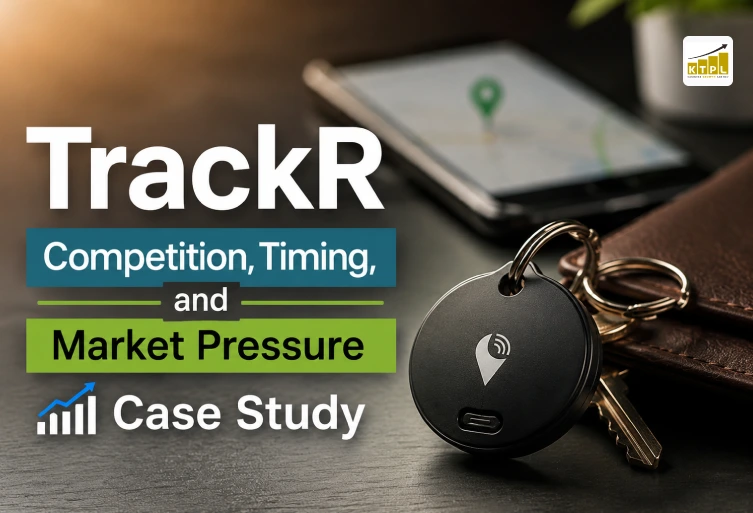
The success of a startup often depends on more than just launching an innovative product. While being the first to enter a market can create exciting growth opportunities, it does not guarantee long-term success. The TrackR business case is a perfect example of how competition, timing, product quality, and strategic planning can determine whether a company thrives or struggles. Once considered one of the pioneers in Bluetooth tracking technology, TrackR attracted widespread attention by offering a simple solution to help users locate everyday items such as keys, wallets, bags, and luggage. In its early years, TrackR benefited from strong crowdfunding campaigns, effective digital marketing, and growing consumer interest in smart devices. The company quickly established itself as an innovative brand in the emerging Bluetooth tracker market. However, as competition intensified, TrackR faced challenges that extended beyond simply selling hardware. Larger competitors introduced stronger technology ecosystems, better mobile experiences, and more reliable products, making it increasingly difficult for TrackR to maintain its position. The TrackR case study provides valuable insights for startups, entrepreneurs, product managers, and business owners looking to understand how competitive markets evolve. It demonstrates the importance of continuous innovation, customer satisfaction, scalable business models, and adapting to changing industry trends. Businesses that rely solely on an early market advantage without investing in long-term product improvements often struggle when larger competitors enter the market. At KTPL – Business Growth Agency, studying real-world business case studies like TrackR helps organizations identify common strategic mistakes and discover practical ways to build sustainable competitive advantages. Whether you are launching a technology startup or expanding an existing business, the lessons from TrackR remain highly relevant in today’s fast-changing digital economy.
What Was TrackR?
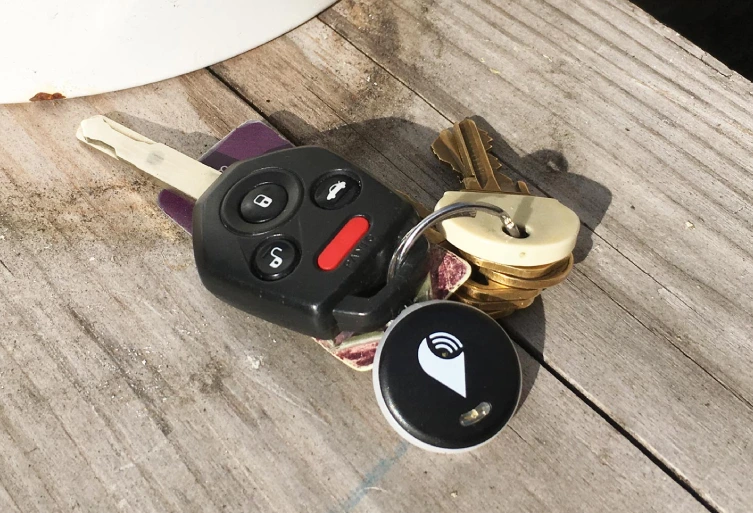
TrackR was a Bluetooth-enabled item tracking device designed to help users quickly locate personal belongings through a smartphone application. The device could be attached to frequently misplaced items such as keys, wallets, backpacks, luggage, laptops, or even pet accessories. When connected to the TrackR mobile app, users could ring the tracker, view its last recorded location, and receive notifications when an item moved outside the Bluetooth range. This simple yet practical solution addressed a common everyday problem that affected millions of people worldwide. The company entered the market during the rapid growth of smart consumer electronics and Internet of Things (IoT) devices. At a time when Bluetooth tracking technology was still relatively new, TrackR successfully positioned itself as an affordable and user-friendly solution. Through well-executed crowdfunding campaigns and online marketing, the company generated significant public interest and attracted thousands of early adopters who believed Bluetooth trackers would become an essential part of daily life. One of TrackR’s most promoted features was its Crowd GPS technology. Instead of relying only on the owner’s smartphone, the system attempted to locate lost items whenever another TrackR user’s phone came within Bluetooth range. In theory, every new customer strengthened the tracking network, making it easier to recover misplaced belongings. Although the concept was innovative, its effectiveness depended heavily on having a large and active user base, which later became one of the company’s biggest challenges. As consumer expectations continued to evolve, TrackR introduced multiple hardware versions with slimmer designs, louder alert sounds, replaceable batteries, and improved Bluetooth connectivity. These updates showed the company’s commitment to product development, but the pace of innovation across the technology industry meant competitors were constantly raising the standard for both hardware and software performance. Maintaining a competitive edge required far more than incremental improvements. Looking back, TrackR represented an ambitious attempt to build an entirely new product category before the market matured. It demonstrated strong innovation, identified a genuine consumer need, and created early excitement around Bluetooth tracking technology. However, succeeding in the long term required a broader ecosystem, consistent product reliability, and the ability to scale alongside rapidly growing competitors. These challenges ultimately shaped the company’s journey and transformed TrackR into one of the most studied business case examples in the consumer technology industry.
How TrackR Became an Early Market Leader
One of the primary reasons TrackR gained early success was its ability to identify a real-world problem before most competitors entered the market. Losing everyday items such as keys, wallets, or bags was a common frustration, and TrackR introduced an affordable Bluetooth tracker that offered a simple solution. By entering the market early, the company established itself as an innovative brand and attracted consumers who were eager to adopt new smart technologies. This first-mover advantage helped TrackR gain visibility and build trust among early adopters. Crowdfunding also played a significant role in TrackR’s rapid growth. The company successfully raised funding through online platforms, allowing it to validate market demand while generating widespread publicity. Thousands of supporters backed the product because they believed Bluetooth tracking devices would become a must-have accessory. This early financial support enabled TrackR to manufacture its products, expand marketing efforts, and build a growing customer base without relying entirely on traditional investment sources. Another factor behind TrackR’s initial leadership was its aggressive digital marketing strategy. The company promoted its products through social media campaigns, technology blogs, online advertisements, and influencer partnerships. These marketing efforts highlighted practical everyday use cases rather than focusing only on technical specifications, making the product appealing to a broad audience. Consumers appreciated the convenience of locating misplaced belongings using a smartphone, which contributed to increasing sales and positive brand recognition during the company’s early years. Despite this promising start, early success also created new expectations. Customers demanded better mobile applications, faster connectivity, improved battery life, and more reliable tracking performance. As the smart device industry evolved, maintaining leadership required continuous innovation rather than relying solely on being the first company to introduce the product. This shift marked the beginning of a much more competitive environment for TrackR.
Market Pressure and Competition
As the Bluetooth tracker market expanded, TrackR faced intense competition from companies with stronger financial resources, larger development teams, and more established technology ecosystems. Competitors such as Tile introduced highly reliable products backed by a rapidly growing user community, while major technology companies began integrating tracking capabilities directly into their operating systems and connected devices. These developments significantly changed the competitive landscape and reduced the advantages that TrackR had gained through early market entry. One of the biggest challenges was building a large Crowd GPS network. Since TrackR relied on other users running its application to help locate lost items, the system became more effective only as the user base increased. Competitors with millions of active users created much stronger tracking networks, providing faster and more accurate location updates. Consumers naturally preferred products that offered greater reliability, making it difficult for TrackR to compete despite offering similar hardware. Pricing pressure also became a major concern. Larger competitors benefited from economies of scale, enabling them to reduce manufacturing costs while investing heavily in research, software development, and customer support. TrackR had limited flexibility to lower prices without affecting profitability, placing the company in a difficult position. At the same time, consumers expected premium features, frequent software updates, and seamless performance, all of which required continuous investment. Another significant challenge was the rise of integrated technology ecosystems. Instead of depending on standalone accessories, customers increasingly chose tracking devices that worked seamlessly with their smartphones, smartwatches, tablets, and other connected products. These ecosystems delivered a smoother user experience and encouraged long-term customer loyalty. As a standalone hardware company, TrackR struggled to match the convenience and value offered by larger technology brands, ultimately weakening its competitive position in an increasingly crowded market.
Why TrackR Failed
Although TrackR entered the Bluetooth tracking market before many competitors, maintaining its leadership proved far more difficult than achieving it. One of the company’s biggest weaknesses was product reliability. Many users reported issues related to Bluetooth connectivity, inconsistent tracking performance, mobile app stability, and battery life. As online reviews became more influential in purchasing decisions, negative customer experiences affected the company’s reputation and reduced repeat purchases. In the technology industry, a strong first impression is valuable, but long-term success depends on consistently delivering a reliable product that meets customer expectations. Another major reason behind TrackR’s decline was its inability to build a powerful technology ecosystem. Unlike larger competitors that integrated tracking features directly into smartphones and connected devices, TrackR remained a standalone accessory. Consumers increasingly preferred solutions that worked seamlessly across multiple devices without requiring additional setup or separate applications. This lack of ecosystem integration made it easier for customers to switch to competing products that offered a more convenient and connected experience. Financial pressure also played a significant role. Continuous investment in hardware development, software improvements, customer support, and marketing required substantial resources. Meanwhile, larger competitors benefited from stronger funding, larger research teams, and established distribution channels. As pricing competition intensified, TrackR found it difficult to maintain healthy profit margins while continuing to innovate at the speed expected by the market. These combined challenges gradually weakened the company’s competitive position and limited its ability to respond effectively to changing customer demands.
Key Business Lessons from TrackR
The TrackR business case offers several valuable lessons for startups and established businesses alike. First, being the first company to launch an innovative product creates an opportunity, but it does not create a permanent competitive advantage. Businesses must continue improving their products, investing in customer experience, and adapting to changing market conditions if they want to remain industry leaders. Innovation is an ongoing process rather than a one-time achievement. Another important lesson is the power of network effects and ecosystem development. Products that become more valuable as more people use them often outperform standalone solutions. Businesses should focus not only on selling products but also on building connected platforms, strong customer communities, and long-term engagement strategies. Companies that successfully create integrated ecosystems often enjoy higher customer retention and stronger brand loyalty. Customer feedback should also play a central role in product development. Technical issues, software bugs, and poor user experiences can quickly damage a company’s reputation, especially in competitive technology markets where consumers have multiple alternatives. Listening to customer reviews, releasing regular updates, and maintaining high product quality are essential for sustaining growth and protecting brand credibility over time. Finally, businesses must prepare for future competition rather than relying on early success. Markets evolve rapidly, and new competitors can change industry dynamics within a short period. Organizations that continuously monitor market trends, invest in research and development, and build flexible business strategies are better equipped to respond to disruption. At KTPL – Business Growth Agency, the TrackR case demonstrates that sustainable growth comes from balancing innovation, operational excellence, customer satisfaction, and strategic adaptability rather than depending solely on first-mover advantage.
Conclusion
The TrackR case study illustrates that innovation alone is not enough to guarantee long-term business success. While the company successfully introduced Bluetooth tracking technology to a growing consumer market, increasing competition, product reliability issues, pricing pressure, and limited ecosystem integration gradually reduced its competitive advantage. The story highlights the importance of continuous innovation, customer-focused development, and strategic planning in fast-changing technology industries. For entrepreneurs, startups, and business leaders, TrackR serves as a valuable reminder that sustainable success depends on adapting to market changes, delivering consistent customer value, and building products that evolve alongside user expectations. Companies that combine innovation with scalability, quality, and strong ecosystem strategies are far more likely to achieve lasting growth in competitive markets.
FAQs
Have questions? We’ve answered some of the most common queries to help you understand the topic better.
Q1. What was TrackR?
TrackR was a Bluetooth-enabled tracking device that helped users locate personal belongings such as keys, wallets, luggage, and bags using a mobile application.
Q2. Why did TrackR fail?
TrackR struggled because of increasing competition, product reliability issues, limited ecosystem integration, pricing pressure, and the inability to scale its Crowd GPS network effectively.
Q3. Who were TrackR's biggest competitors?
TrackR competed with companies like Tile and later faced pressure from major technology brands that integrated tracking features into their own hardware and software ecosystems.
Q4. What business lesson can startups learn from TrackR?
The biggest lesson is that being first in the market is not enough. Long-term success requires continuous innovation, excellent customer experience, strong product quality, and the ability to adapt to changing market conditions.
Q5. Why is the TrackR case study important?
The TrackR case study demonstrates how competition, timing, market pressure, and ecosystem strategy influence business success, making it an excellent learning resource for entrepreneurs, product managers, and business leaders.
Want To Grow Your Business - Connect With KTPL
KTPL – Business Growth Agency, a creative solutions and business growth agency from India.
👉 Visit https://kirnanitechnologies.com
📞 Call us at +91 95093 33000
📧 Email us at contact@kirnanitechnologies.com


