


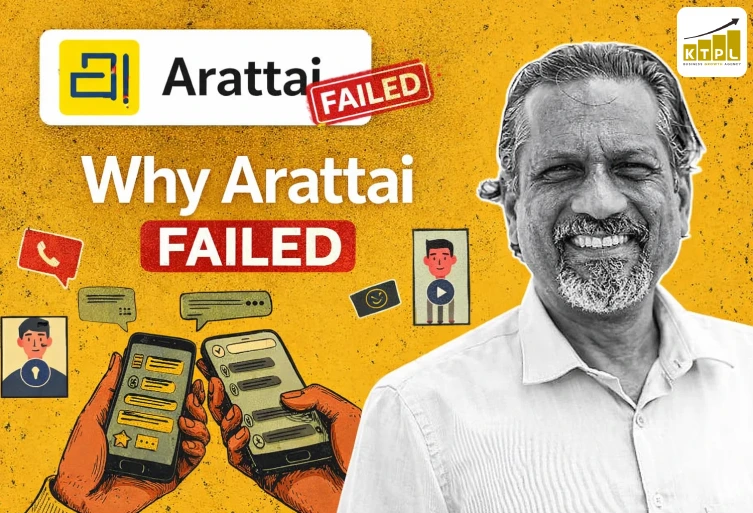
The story of Arattai is not just about one app losing traction—it reflects the broader challenges faced by new digital platforms trying to enter an already saturated market. Backed by Zoho, Arattai launched with strong expectations and a favorable environment. It gained attention quickly, downloads surged, and conversations around local apps helped it rise in visibility.
But within a short period, that growth slowed down dramatically. Users who once downloaded the app stopped using it regularly, and eventually, Arattai faded from mainstream conversations.
So, what exactly went wrong?
This detailed breakdown explores the real reasons why Arattai failed, focusing on product positioning, user psychology, competition, and long-term engagement challenges.
The Launch Timing: Right Moment, Short-Term Advantage
Arattai entered the market at a time when users in India were actively exploring alternatives to global apps. There was a shift in mindset—people wanted to try local platforms, and this created a temporary opportunity.
- High curiosity among users
- Support for Indian-developed products
- Increased visibility across digital platforms
However, this growth was largely driven by external sentiment rather than internal product strength. When an app grows because of trends instead of long-term value, sustaining that growth becomes difficult.
Understanding the Core Problem: Network Dependency
Messaging apps operate differently from most other digital products. Their value depends entirely on how many people are actively using them.
Apps like WhatsApp dominate because they already have massive user networks. When a user installs WhatsApp, they instantly find friends, family, and colleagues.
- Users joined, but their contacts didn’t
- Conversations remained limited
- The app felt inactive
- Users didn’t find enough people
- They stopped using the app
- Even fewer users remained active
Lack of Strong Differentiation
One of the biggest reasons why Arattai failed was the absence of a clear identity.
Most users compared it directly with WhatsApp and asked a simple question:
“Why should I switch?”
Unfortunately, Arattai didn’t provide a strong enough answer.
- Messaging
- Media sharing
- Group chats
- A unique feature
- A better experience
- Or a completely different use case
The Role of User Habits
User behavior plays a massive role in the success or failure of any platform.
- Personal conversations
- Work groups
- Media history
- Daily communication habits
This creates what many experts call the “habit wall.”
Sridhar Vembu has acknowledged that growth in such products takes time, but overcoming deeply rooted habits is extremely difficult.
Arattai couldn’t provide a compelling reason strong enough to break those habits.

Temporary Growth Driven by Emotion
A large portion of Arattai’s early success came from emotional motivation.
- Supporting Indian apps
- Exploring alternatives
- Participating in digital trends
- Performance
- Features
- Daily usability
Privacy Positioning vs Reality
Arattai was positioned as a privacy-focused messaging app, which is a strong selling point in today’s digital world.
However, early concerns around encryption created confusion.
- Secure communication
- Data protection
- Clear privacy policies
While improvements were made later, initial trust gaps affected long-term retention.
Product Experience and Performance Challenges
User experience plays a critical role in retention.
- Missing advanced features
- Occasional bugs
- Less polished interface
- Instant messaging
- Smooth media sharing
- Reliable notifications
Competition from Established Giants
The messaging space is dominated by powerful players with massive resources.
- Telegram
- Signal
- Large ecosystems
- Strong user trust
- Continuous innovation cycles
Arattai entered as a competitor, but without a disruptive edge.
Failure to Build Daily Engagement
Downloads are not equal to success. What matters is daily active users.
- Retention
- Engagement frequency
- User stickiness
- Daily conversations
- Regular interactions
- Continuous usage
Strategic Positioning Mistake
One of the biggest strategic mistakes was trying to compete directly with WhatsApp.
- Targeting a niche audience
- Building a specialized use case
This made it harder to stand out.
- Focusing on businesses
- Targeting regional communities
- Offering unique collaboration features

Marketing vs Product Reality
- Media coverage
- Online discussions
- Social sharing
Retention depends on product quality.
If the experience doesn’t match expectations, users leave—and rarely return.
What Arattai Teaches Startups
Arattai’s journey offers valuable lessons for startups and digital businesses:
1. Product-Market Fit is Essential
Without a clear need, growth cannot sustain.
2. Network Effects Dominate Messaging Apps
You are not just building a product—you are building a community.
3. Differentiation is Non-Negotiable
Users need a strong reason to switch.
4. Trust Must Be Immediate
Privacy and security cannot be delayed features.
5. Retention Matters More Than Downloads
Active users define success.
Could Arattai Still Recover?
Recovery is possible, but it requires a major shift in strategy.
- Focus on a niche segment
- Introduce innovative features
- Build a strong community
Future of Indian Messaging Platforms
Arattai’s failure does not mean local apps cannot succeed.
- Entering mature markets
- Competing with global giants
- Changing user behavior
- Innovation in communication
- Better privacy solutions
- Localized user experiences
Conclusion
- Weak network effects
- Lack of differentiation
- Temporary growth drivers
- Strong competition
- User habit resistance
For businesses and startups, this case highlights a crucial reality:
Building a product is easy. Making it part of people’s daily lives is the real challenge.
FAQs
Have questions? We’ve answered some of the most common queries to help you understand the topic better
Q1. Why did Arattai fail in India?
Because it couldn’t retain users due to weak network effects and lack of differentiation.
Q2. Was Arattai better than WhatsApp?
No, most users found it less feature-rich and less reliable.
Q3. Did marketing help Arattai?
It helped with initial downloads but not long-term engagement.
Q4. What is the biggest challenge for messaging apps?
Building and maintaining an active user network.
Q5. Can new messaging apps still succeed?
Yes, but only with strong innovation and clear value.
Want To Grow Your Business - Connect With KTPL
KTPL – Business Growth Agency, a creative solutions and business growth agency from India.
👉 Visit https://kirnanitechnologies.com
📞 Call us at +91 95093 33000
📧 Email us at contact@kirnanitechnologies.com


