


In today’s competitive digital and offline marketplace, logo design plays a critical role in shaping how customers perceive a brand. A logo is often the very first visual interaction a customer has with a business. Before reading content, understanding services, or comparing prices, customers notice the logo. This single visual element can influence trust, curiosity, and emotional connection within seconds.
A professionally created logo design helps businesses attract more customers, improve brand recall, and establish long-term credibility. Whether the brand is new or established, the logo acts as a visual promise that communicates quality, values, and purpose without using words. When done correctly, logo design becomes a silent marketing tool that works across websites, social media, packaging, advertisements, and physical locations.
At KTPL – Business Growth Agency, logo design is approached as a strategic business asset rather than just a creative task. The goal is not only to look appealing but also to connect with the right customers and encourage engagement.
Understanding the importance of logo design
A logo is the foundation of brand identity. It represents the personality, tone, and promise of a business in a simple visual form. Customers naturally judge brands by how they look, and logo design heavily influences that judgment.
A strong logo helps customers recognize a business instantly. Over time, repeated exposure builds familiarity, and familiarity builds trust. Businesses with clear and professional logos often appear more reliable and established compared to those with poorly designed or inconsistent visuals.
Logo design also supports marketing consistency. When customers see the same logo across different platforms, it reinforces brand memory and makes the business easier to recall during buying decisions.
How logo design shapes customer perception
Before exploring design techniques, it is important to understand how customers mentally respond to logos. A logo communicates messages even when the brand does not speak directly.
- creates a positive first impression within seconds
- communicates professionalism and credibility
- signals brand values such as innovation, trust, or creativity
- differentiates the brand from competitors
- encourages emotional connection with the audience
Knowing the target audience before designing a logo
Every effective logo design begins with understanding the audience. A logo designed without customer insight often fails to connect, even if it looks visually appealing.
Different audiences respond to different visual cues. Age group, location, lifestyle, industry, and purchasing behavior all influence how customers interpret a logo. A design that works for a technology startup may not work for a traditional manufacturing brand.
Designing for the audience ensures that the logo feels familiar and relevant rather than confusing or disconnected.
Aligning logo design with customer expectations
To attract more customers, logo design must align with what the audience expects from the brand category.
- selecting colors that match customer emotions and cultural preferences
- choosing fonts that feel appropriate for the industry
- using symbols that customers can easily understand
- maintaining a balance between creativity and clarity
Simplicity and memorability in logo design
One of the most important principles of successful logo design is simplicity. Simple logos are easier to recognize, remember, and reproduce across different platforms.
Complex logos with excessive details often lose clarity when scaled down or viewed quickly. Customers usually remember shapes and symbols that are clean and distinct rather than complicated designs.
Why simple logos attract more customers
- they are easy to recall after a single glance
- they remain clear at small sizes such as mobile screens
- they adapt better across digital and print platforms
- they age well without becoming outdated
Using color psychology in logo design
Color plays a powerful role in influencing customer emotions. Different colors trigger different psychological responses, making color selection a critical part of logo design.
The right color palette helps communicate brand personality while also appealing to customer preferences. Color consistency across branding strengthens recognition and builds trust.
Emotional impact of colors on customers
- blue suggests trust, security, and professionalism
- green represents growth, health, and sustainability
- red conveys energy, urgency, and passion
- yellow reflects optimism, warmth, and friendliness
- black signals luxury, authority, and sophistication
Typography and font selection for logo design
Typography is more than just text style. Fonts shape how customers perceive the brand’s tone and personality. A mismatch between font style and brand message can confuse customers and reduce trust.
Clear and readable fonts ensure that the logo remains effective at all sizes and across all platforms.
How fonts influence customer trust
- modern fonts suggest innovation and simplicity
- serif fonts express tradition and reliability
- handwritten fonts create warmth and personalization
- bold fonts indicate strength and confidence
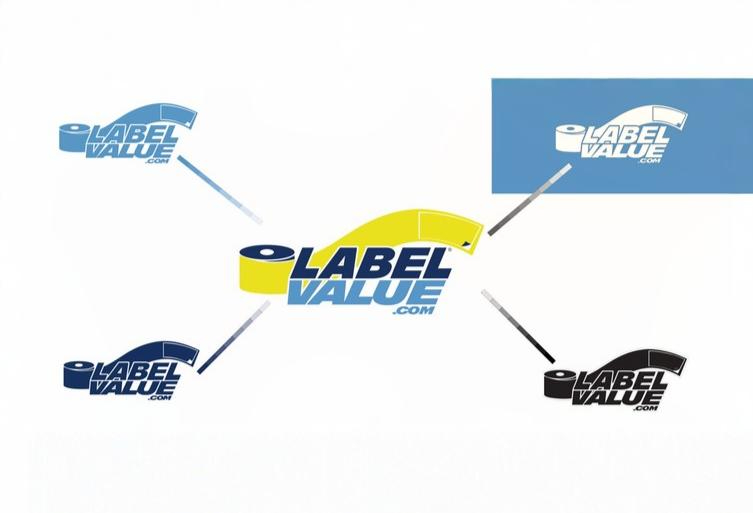
Logo versatility across platforms and formats
A logo must perform well everywhere. Customers encounter brands on websites, social media, packaging, mobile apps, banners, and physical signage. A logo that works only in one format limits brand reach.
Versatile logo design ensures consistent brand presence regardless of platform or size.
Importance of scalable logo design
- remains clear in color and black and white
- works at small and large sizes
- adapts to digital and print environments
- maintains visual balance across layouts
Types of logo designs that attract customers
Different logo styles suit different businesses. Selecting the right type ensures that the logo communicates clearly and effectively.
Each logo type offers unique advantages depending on brand goals and audience expectations.
Common logo design styles
- wordmark logos using brand name typography
- lettermark logos based on initials
- pictorial logos featuring recognizable symbols
- abstract logos using unique shapes
- combination logos mixing text and symbols
Step by step logo design process
A structured approach ensures that logo design remains focused on customer attraction rather than visual trends alone.
Each step builds clarity, consistency, and relevance.
Creating a customer focused logo design
- researching competitors and industry standards
- defining brand values and personality
- brainstorming concepts and sketching ideas
- selecting colors and fonts carefully
- designing multiple variations
- testing logo visibility across platforms
- gathering feedback from real users
- refining and finalizing the design
Common logo design mistakes to avoid
Even visually attractive logos can fail if they ignore practical considerations. Avoiding common mistakes ensures that logo design remains functional and effective.
Mistakes often reduce clarity, trust, and usability.
Errors that reduce customer attraction
- using too many colors or fonts
- copying competitor logos
- following short-term design trends
- ignoring scalability and contrast
- choosing style over clarity
How logo design supports business growth
Logo design is not just a branding element but a growth tool. When customers trust and recognize a brand, they are more likely to engage, recommend, and return.
A consistent and strategic logo strengthens marketing campaigns and improves conversion rates.
Long term impact of strong logo design
- improves brand recall over time
- supports marketing consistency
- enhances customer loyalty
- increases perceived brand value
- builds competitive advantage
Role of KTPL in creating customer attracting logo design
At KTPL – Business Growth Agency, logo design is treated as a strategic business investment. Every logo is crafted with customer psychology, industry research, and brand goals in mind.
The focus remains on creating logos that are simple, memorable, scalable, and aligned with customer expectations. This approach helps businesses attract more customers and strengthen brand presence across all channels.
Final thoughts on logo design to attract more customers
Logo design plays a decisive role in how customers perceive, trust, and remember a brand. A thoughtful logo design connects emotionally, communicates values, and supports consistent branding.
By focusing on simplicity, audience relevance, color psychology, typography, and versatility, businesses can create logos that genuinely attract customers. A well-designed logo is not just a symbol but a long-term growth asset that supports marketing success and brand recognition.
FAQs
Have questions? We’ve answered some of the most common queries to help you understand the topic better
Q1. What makes a logo attractive to customers
An attractive logo is simple, memorable, relevant to the audience, and visually consistent across platforms.
Q2. How does logo design help attract more customers
Logo design builds trust, improves brand recall, and creates a positive first impression that encourages engagement.
Q3. Can a logo increase brand trust
Yes, professional logo design signals credibility and reliability, making customers feel confident about the brand.
Q4. How often should a logo be redesigned
A logo should be refreshed only when brand direction changes or when the existing design becomes outdated.
Q5. Is logo design important for small businesses
Yes, logo design helps small businesses appear professional and competitive, making it easier to attract customers.
Want To Grow Your Business - Connect With KTPL
KTPL – Business Growth Agency, a creative solutions and business growth agency from India.
👉 Visit https://kirnanitechnologies.com
📞 Call us at +91 95093 33000
📧 Email us at contact@kirnanitechnologies.com


