


In 2026, a small business website is no longer just a digital presence—it is a growth engine. With millions of consumers and businesses browsing online daily, your website often forms the first impression of your brand. Whether you are trying to attract new clients, showcase your services, or sell products, your website can either accelerate your growth or hold it back.
KTPL – Business Growth Agency has carefully analyzed current web trends, user behavior, and design best practices to identify the 10 essential elements every small business website must have in 2026. These elements will help your site be user-friendly, SEO-optimized, and conversion-focused, ensuring your business stands out in a competitive landscape.
1. Clear and Engaging Homepage
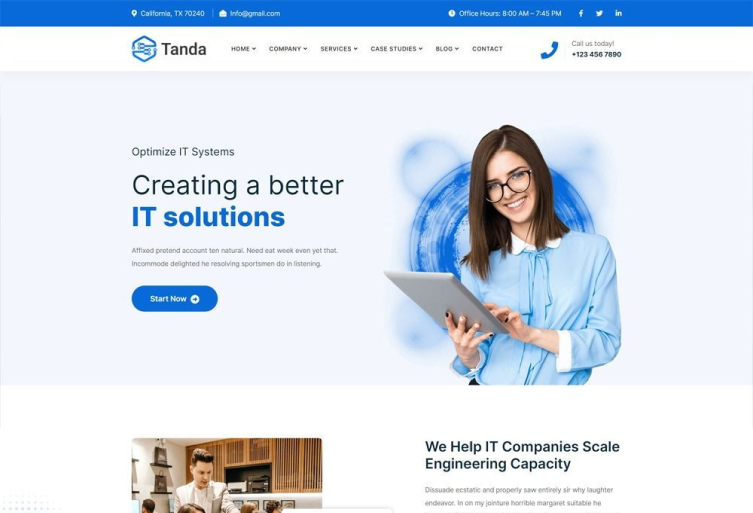
Your homepage is your digital storefront. It is the first thing visitors see, so it must instantly convey your brand message and value proposition. A confusing or cluttered homepage can turn visitors away within seconds.
Key considerations:
- A concise, compelling headline that communicates what your business does.
- A supporting subheadline that highlights your unique selling points.
- Prominent call-to-action (CTA) buttons to guide visitors toward key actions, like “Request a Quote” or “Explore Services.”
- Visual elements such as banners, hero images, or videos that illustrate your brand story.
For example, a modern small business website may feature a hero video showing products or services in action, with a “Learn More” CTA overlay. KTPL recommends testing different hero visuals and messages to see what resonates most with your audience.
2. Mobile-Friendly Design
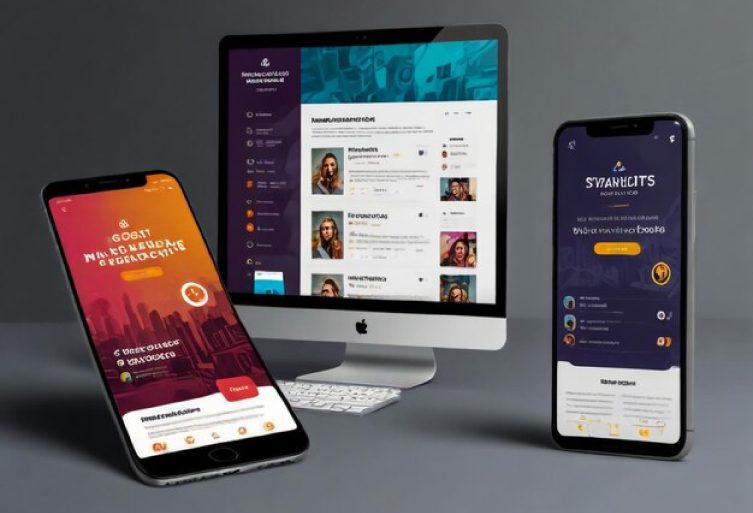
By 2026, mobile users will dominate internet traffic, making mobile-first design a necessity. A mobile-optimized website ensures your audience can easily navigate and interact with your content on smartphones and tablets.
Tips for mobile optimization:
- Use responsive layouts that automatically adapt to screen sizes.
- Optimize images and videos for fast loading without sacrificing quality.
- Ensure clickable buttons and links are appropriately sized for touch interaction.
- Simplify navigation menus for smaller screens.
A mobile-friendly website not only improves user experience but also boosts search engine rankings, as Google prioritizes mobile responsiveness in its algorithms.

3. Fast Loading Speed
In today’s fast-paced digital world, visitors have little patience for slow websites. A delay of just a few seconds can increase bounce rates and decrease conversions.
Steps to increase website speed:
- Compress images and use next-gen formats like WebP.
- Reduce unnecessary scripts, CSS, and plugins.
- Use reliable hosting with strong server performance.
- Implement browser caching and a content delivery network (CDN).
KTPL emphasizes that speed optimization is not just technical—it affects user trust and engagement. A website that loads instantly gives a professional and reliable impression.

4. Strong Branding and Visual Identity
Your website should reflect your business personality consistently across all pages. Branding goes beyond a logo—it encompasses colors, typography, imagery, and tone of voice.
Branding tips:
- Use a consistent color palette that resonates with your brand identity.
- Choose fonts that are readable and align with your business image.
- Incorporate visuals that tell your brand story, such as team photos or product showcases.
- Keep your messaging consistent across pages, blogs, and CTAs.
Strong branding builds credibility and encourages visitors to engage, ultimately leading to higher conversion rates.
5. Easy Navigation
A website is only effective if visitors can find information quickly. Poor navigation frustrates users and increases bounce rates, impacting both user experience and SEO.
Best practices for navigation:
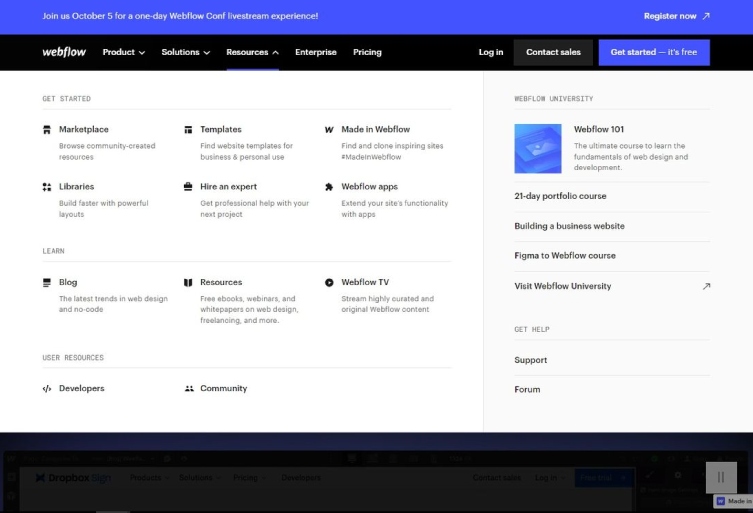
- Use a clear, hierarchical menu structure with primary categories only.
- Include a search bar for easy access to specific information.
- Avoid overcrowding the menu with too many options.
- Consider sticky menus that remain visible while scrolling.
KTPL recommends periodically reviewing analytics to identify pages visitors struggle to find, ensuring smooth navigation across the website.
6. Contact Information and Lead Capture
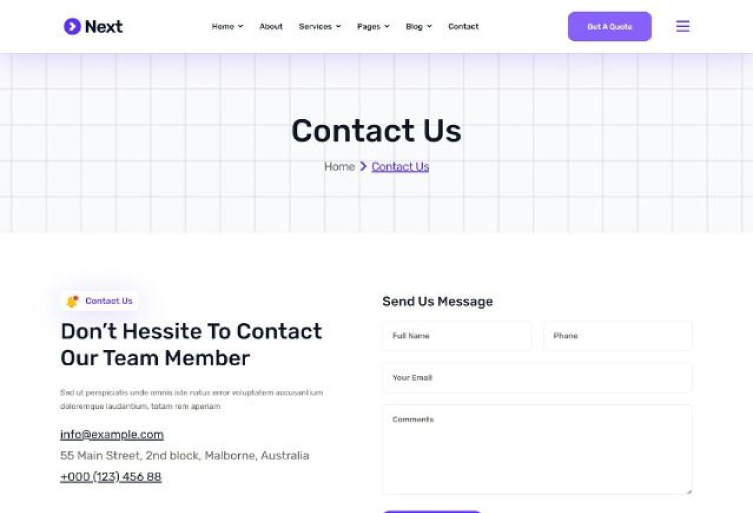
Converting website visitors into leads is essential for small business growth. Make it as simple as possible for users to get in touch.
Essential elements:
- Contact forms with minimal fields for easy completion.
- Phone numbers, emails, and business addresses visible on every page.
- Integration with live chat or messaging platforms for immediate assistance.
- Optional newsletter sign-ups or downloadable content to capture leads.
A well-designed lead capture system allows small businesses to turn passive visitors into active prospects, generating measurable ROI from the website.

7. High-Quality Content
Content continues to drive engagement and conversions. In 2026, small business websites must provide value-driven content rather than generic promotional material.
Types of content to include:
- Blogs addressing common customer questions or industry insights.
- Case studies demonstrating successful client projects.
- Detailed service or product descriptions that clearly explain benefits.
- Multimedia content like videos, infographics, or podcasts.
KTPL- Business Growth Agency advises focusing on informative and engaging content rather than keyword-stuffed pages. Useful content helps establish authority and keeps visitors coming back.

8. Search Engine Optimization (SEO)
SEO ensures your website is discoverable by the right audience. Optimized websites attract organic traffic and reduce reliance on paid advertising.
SEO strategies for small business websites:
- Optimize meta titles, descriptions, and URLs with relevant keywords.
- Use proper header hierarchy (H1, H2, H3) for clarity and structure.
- Implement internal linking between related pages.
- Include alt-text for all images to improve accessibility and SEO.
KTPL ensures that SEO practices are integrated from the start, so your website ranks well on search engines while remaining user-friendly.

9. Social Proof and Testimonials
Trust is critical for small businesses competing online. Potential customers often look for validation before making a purchase decision.
Ways to add social proof:
- Display client testimonials and reviews prominently.
- Showcase case studies with measurable results.
- Include social media feeds or follower counts to show engagement.
- Highlight partnerships, awards, or certifications.
Social proof creates confidence and credibility, helping visitors feel assured that your business is reliable and trustworthy.
10. Analytics and Tracking
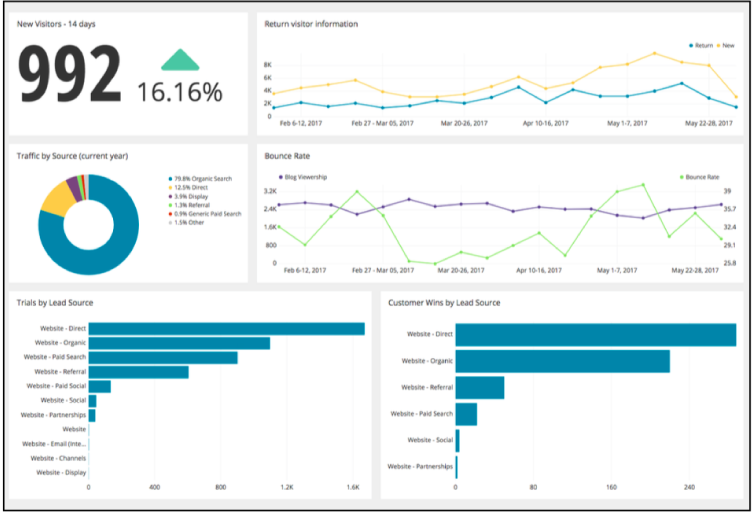
A business website is a dynamic tool that should evolve based on performance insights. Analytics provide data-driven insights to optimize user experience and business outcomes.
Analytics best practices:
- Track key metrics such as traffic sources, page views, and conversion rates.
- Use Google Analytics or similar tools to monitor user behavior.
- Set up event tracking for important actions like form submissions or purchases.
- Review data regularly to refine content, design, and marketing strategies.
KTPL emphasizes that ongoing tracking is critical for long-term growth. Websites that are continuously optimized based on analytics outperform static sites.
Additional Elements to Consider
- Blog Section: Regularly updated content boosts SEO and demonstrates expertise.
- Security Features: SSL certificates and secure payment gateways protect user data.
- Accessibility: Ensure your website is usable by everyone, including people with disabilities.
- Multimedia Integration: Videos, podcasts, and interactive elements improve engagement.
- Local SEO Elements: For small businesses targeting local customers, integrate maps, location-specific keywords, and Google Business Profile links.
Conclusion
In 2026, a small business website is much more than an online brochure. It is a strategic asset that drives visibility, builds trust, generates leads, and fuels growth.
By integrating these 10 essential elements, small businesses can create websites that are user-friendly, visually appealing, and conversion-focused. Partnering with KTPL- Business Growth Agency ensures your website is designed with best practices, modern aesthetics, and business-focused strategies that deliver measurable results.
A well-optimized website can be the difference between being overlooked and thriving in the digital era. Start today to make your small business website a growth engine for the future.
FAQs
Have questions? We’ve answered some of the most common queries to help you understand the topic better
Q1. Why is mobile-friendly design essential for small business websites?
Mobile optimization improves user experience and search engine rankings, ensuring visitors can navigate easily on any device.
Q2. How can I improve my website’s loading speed?
Compress images, minimize scripts, enable caching, and use a reliable hosting service for faster performance.
Q3. What type of content should a small business website include?
Blogs, case studies, product/service descriptions, testimonials, and multimedia content that educate and engage visitors.
Q4. How important is SEO for small business websites?
SEO increases discoverability, drives organic traffic, and improves conversion opportunities without relying solely on paid campaigns.
Q5. How do I track website performance effectively?
Implement analytics tools, track key metrics, monitor user behavior, and make iterative improvements based on insights.
Want To Grow Your Business - Connect With KTPL
KTPL – Business Growth Agency, a creative solutions and business growth agency from India.
👉 Visit https://kirnanitechnologies.com
📞 Call us at +91 95093 33000
📧 Email us at contact@kirnanitechnologies.com


