


Introduction
Building a successful product is difficult, but building a successful product that initially makes consumers uncomfortable is even harder. This challenge was at the center of NoseFrida’s journey from Sweden to the United States. What appeared to be a strange and even unpleasant baby-care product eventually became one of the most trusted solutions for infant nasal congestion. The brand achieved this transformation not through traditional advertising alone but through a powerful Product Education strategy that helped consumers understand the value behind the innovation.
NoseFrida demonstrated that customer education can be more powerful than direct selling. By teaching parents how the product worked, why it was safe, and how it solved a real problem, the company was able to overcome skepticism and create strong brand loyalty. Today, the brand is often referenced as one of the best examples of educational marketing in the consumer healthcare and baby-care industries.
For businesses looking to launch innovative products, enter new markets, or change consumer behavior, the NoseFrida story offers valuable lessons. Its growth shows how clear communication, trust-building, and educational content can turn a niche product into a market leader.
What is NoseFrida?
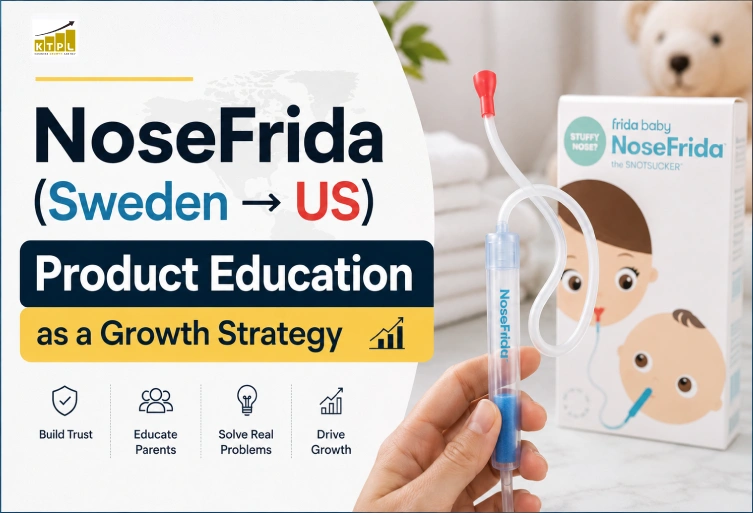
NoseFrida is a baby nasal aspirator originally developed in Sweden to help parents safely remove mucus from an infant’s nose. Unlike traditional bulb syringes that many parents had relied on for decades, NoseFrida introduced a different approach that focused on effectiveness, hygiene, and ease of use. The product consists of a tube, a mouthpiece, a collection chamber, and a disposable hygiene filter that prevents mucus and germs from reaching the parent.
The design was created to solve a common parenting challenge: helping babies breathe comfortably during colds and congestion. Since infants cannot blow their noses, parents often struggle to find safe and reliable ways to clear nasal passages. NoseFrida provided a solution that delivered better results than many conventional alternatives available in the market.
Although the product’s appearance and method of operation initially surprised many American consumers, its effectiveness quickly gained attention. Once parents understood how the device worked and experienced its benefits firsthand, many became loyal advocates of the brand.
The Baby Care Market Before NoseFrida
Before NoseFrida entered the American market, most parents relied on rubber bulb syringes for nasal congestion relief. These products had remained largely unchanged for decades and were often included in newborn care kits. While widely available, they frequently left parents frustrated due to inconsistent suction power and cleaning difficulties.
Many parents found that bulb syringes did not effectively remove mucus, especially during severe congestion. Additionally, concerns about hygiene and bacterial buildup created further dissatisfaction. Despite these limitations, there were few mainstream alternatives available to consumers.
This gap in the market created an opportunity for innovation. However, introducing a completely different method of nasal suction required more than a better product. It required changing consumer perceptions and teaching parents why a new approach could be more effective.
The Biggest Challenge: Overcoming the “Gross Factor”
One of the most significant obstacles facing NoseFrida was consumer perception. The idea of using mouth-powered suction to remove a baby’s mucus naturally triggered feelings of discomfort among many parents. Initial reactions often included skepticism, hesitation, and concerns about hygiene.
Parents commonly asked whether germs could pass through the device or whether the process was safe. These concerns were understandable because the product challenged existing habits and introduced a concept that many people had never encountered before. Traditional advertising alone would not have been enough to overcome these objections.
Rather than ignoring these concerns, NoseFrida addressed them directly through education. The company understood that transparency and explanation would be essential to building trust. This decision became the foundation of its long-term growth strategy.
Product Education Became the Real Product
The success of NoseFrida was not simply about selling a nasal aspirator. In many ways, the company was selling knowledge before it was selling the product itself. Every piece of marketing content focused on helping parents understand how the device worked and why it was different from traditional solutions.
The company invested heavily in educational materials that explained the hygiene filter, the suction mechanism, and the benefits of effective mucus removal. By providing clear answers to common concerns, the brand reduced fear and increased consumer confidence.
This approach transformed Product Education into a competitive advantage. Instead of relying on promotional claims, NoseFrida used educational content to create informed consumers who felt comfortable making a purchase decision. The result was higher trust, stronger engagement, and improved conversion rates.
Building Trust Through Medical Credibility
Trust plays a critical role in healthcare and baby-care products. Parents naturally want reassurance that the products they use are safe and effective for their children. NoseFrida recognized this need and strategically incorporated medical credibility into its marketing efforts.
The brand frequently highlighted its doctor-invented origins and partnered with pediatricians who could explain the benefits of the product. These endorsements helped reassure parents that the device met high safety standards and was suitable for infant care.
Healthcare professionals served as trusted voices that reinforced the company’s educational messaging. By combining expert recommendations with easy-to-understand explanations, NoseFrida strengthened consumer confidence and accelerated product adoption across the United States.
Visual Demonstrations Changed Everything
One of the most effective elements of the NoseFrida growth strategy was visual education. The company understood that many parents would struggle to understand the product simply by reading about it. Demonstration videos therefore became a central component of the marketing strategy.
Through videos, consumers could see exactly how the product functioned, how the hygiene filter worked, and how mucus was removed safely. These demonstrations eliminated uncertainty and answered questions that traditional advertisements could not address effectively.
Visual content helped bridge the gap between curiosity and confidence. When parents saw the product working in real situations, many realized that their initial concerns were unfounded. This significantly increased trust and purchase intent.

Social Media Accelerated Product Education
Social media played a major role in helping NoseFrida reach a broader audience. Platforms such as Facebook, Instagram, YouTube, and later TikTok allowed the brand to share educational demonstrations directly with parents who were actively seeking baby-care solutions.
The company encouraged user-generated content, product reviews, and authentic experiences from real families. Parents often shared videos showing how much mucus the device removed, providing powerful social proof that reinforced the product’s effectiveness.
These organic conversations expanded brand awareness far beyond paid advertising campaigns. Every shared video, review, and testimonial contributed to the larger educational ecosystem that helped normalize the product and build consumer trust.
Using Humor to Make an Uncomfortable Topic Approachable
Most brands avoid discussing bodily fluids in their marketing. NoseFrida took a different approach by embracing the reality of parenting and using humor to make the topic less intimidating. The company openly acknowledged the unusual nature of the product rather than trying to hide it.
The famous “Original SnotSucker” branding became a memorable part of the company’s identity. By turning a potentially embarrassing topic into something relatable and even humorous, the brand encouraged conversations that might not have happened otherwise.
Humor helped reduce consumer resistance while increasing brand recall. Parents appreciated the honesty and authenticity, which made the educational messaging more engaging and easier to remember.
How Product Education Drove Revenue Growth
Product Education was not simply a branding exercise; it directly influenced revenue growth. When consumers understand a product clearly, they are more likely to trust it, purchase it, and recommend it to others. NoseFrida leveraged this principle exceptionally well.
Educational content reduced objections that might have prevented a purchase. Demonstrations showed effectiveness, expert endorsements built credibility, and customer testimonials provided social proof. Together, these elements created a strong foundation for sustained growth.
As more parents adopted the product and shared their experiences, the educational cycle continued. New customers learned from existing customers, creating a powerful word-of-mouth marketing engine that fueled expansion.
Expanding Beyond the Original Product
After establishing trust through NoseFrida, the company successfully expanded into additional baby-care categories. Parents who trusted the brand were more willing to try other products designed to solve common parenting challenges.
The company’s educational marketing framework was applied across new product launches, helping consumers understand unfamiliar solutions quickly. This strategy allowed the brand to move beyond a single-product company and develop a broader ecosystem of baby-care products.
Brand trust became one of the company’s most valuable assets. By consistently educating customers and delivering effective solutions, Frida Baby created opportunities for long-term growth and diversification.
Lessons Modern Businesses Can Learn from NoseFrida
The NoseFrida success story offers valuable lessons for startups, eCommerce brands, healthcare companies, and consumer product businesses. One of the most important takeaways is that innovation alone is rarely enough. Consumers must understand why a product matters before they are willing to adopt it.
Educational content should be viewed as an investment rather than an expense. Businesses that proactively answer questions, address concerns, and explain product benefits often build stronger customer relationships than those that focus exclusively on promotional messaging.
The company also demonstrates the importance of transparency. By openly discussing concerns and showing exactly how the product worked, NoseFrida built credibility that many competitors struggled to achieve.
Why NoseFrida Remains a Product Education Masterclass
Years after its introduction, NoseFrida continues to be cited as a leading example of Product Education driving business growth. The company’s success was not built on hype or short-term trends. Instead, it was built on a deep understanding of consumer psychology and a commitment to educating the market.
The brand recognized that changing behavior requires trust, and trust requires understanding. Every marketing effort focused on helping parents become informed and confident users of the product. This customer-first approach created a competitive advantage that extended far beyond the original product category.
For marketers, entrepreneurs, and business leaders, the NoseFrida story demonstrates how education can become a powerful growth engine. When customers understand the value of a solution, adoption becomes significantly easier.
Conclusion
The journey of NoseFrida from a Swedish innovation to a household name in the United States highlights the extraordinary power of Product Education. The company faced a major challenge in introducing a product that many consumers initially found uncomfortable or unusual. Rather than avoiding these concerns, it addressed them directly through educational marketing, expert endorsements, visual demonstrations, and transparent communication.
By focusing on education before promotion, NoseFrida transformed skepticism into trust and trust into long-term customer loyalty. The strategy not only drove significant revenue growth but also helped the company expand into multiple baby-care categories.
Businesses across industries can learn from this approach. Whether launching a new technology, introducing a healthcare product, or entering a competitive market, customer education remains one of the most effective tools for building trust and accelerating growth. NoseFrida proves that when consumers truly understand a product, even the most unconventional ideas can become market leaders.
FAQs
Have questions? We’ve answered some of the most common queries to help you understand the topic better
Q1. What is NoseFrida?
NoseFrida is a baby nasal aspirator designed to safely remove mucus from an infant’s nose using gentle parent-powered suction and a hygienic filter system.
Q2. Why is NoseFrida considered a Product Education success story?
The company used educational marketing, demonstrations, pediatrician endorsements, and transparent communication to overcome consumer skepticism and drive adoption.
Q3. How did NoseFrida enter the US market successfully?
The brand focused on educating parents about the product’s safety, hygiene, and effectiveness while building credibility through healthcare professionals.
Q4. What role did social media play in NoseFrida's growth?
Social media helped the brand share demonstrations, customer testimonials, and educational content that increased awareness and trust.
Q5. What can businesses learn from NoseFrida?
Businesses can learn the value of Product Education, transparency, expert validation, and consumer-focused communication when introducing innovative products.
Want To Grow Your Business - Connect With KTPL
KTPL – Business Growth Agency, a creative solutions and business growth agency from India.
👉 Visit https://kirnanitechnologies.com
📞 Call us at +91 95093 33000
📧 Email us at contact@kirnanitechnologies.com


