


LinkedIn has become one of the most powerful platforms for US Consulting Firms to establish credibility, strengthen professional relationships, and attract high-value business opportunities. Unlike traditional marketing channels, LinkedIn enables consulting firms to demonstrate their expertise before a potential client even schedules a meeting. Decision-makers today research companies online, review executive profiles, read industry insights, and evaluate a firm’s reputation long before starting a conversation. This makes LinkedIn an essential part of a consulting firm’s digital growth strategy. Successful US Consulting Firms do not use LinkedIn simply to promote their services. Instead, they focus on educating their audience through thought leadership, industry research, business trends, and practical advice that addresses real challenges faced by organizations. By consistently publishing valuable content, firms position themselves as trusted advisors rather than sales-driven businesses. This approach helps build long-term credibility while encouraging meaningful engagement with business leaders across multiple industries. Another reason LinkedIn is so effective is its highly targeted professional audience. CEOs, founders, HR leaders, finance executives, technology specialists, and operations managers actively use the platform to stay informed about industry developments and connect with experts. For consulting firms, this creates an opportunity to reach decision-makers directly through valuable content instead of relying only on outbound sales efforts. A strong LinkedIn presence also supports brand awareness, employee advocacy, and business networking. Leading consulting organizations such as McKinsey, Bain & Company, Boston Consulting Group (BCG), and Deloitte have shown that consistent knowledge sharing can create stronger authority than promotional advertising. Their success comes from publishing research-backed insights, discussing market trends, highlighting client success stories, and encouraging senior consultants to build personal brands that reinforce the firm’s reputation. They focus on helping businesses understand complex challenges before offering consulting solutions. In this blog, you’ll discover how US Consulting Firms use LinkedIn to build authority and trust, why thought leadership matters, how executive branding influences buying decisions, and the strategies that consistently generate high-quality business relationships. Whether you operate a boutique consulting agency or a large advisory firm, these proven practices can help you strengthen your online presence and build lasting credibility within your target market.
Why LinkedIn Has Become Essential for US Consulting Firms
For US Consulting Firms, trust is the foundation of every successful client relationship. Organizations rarely choose a consulting partner based solely on pricing or advertising. Instead, they look for firms that consistently demonstrate expertise, understand industry challenges, and provide valuable insights before discussing business opportunities. LinkedIn has become the preferred platform for showcasing these qualities because it combines professional networking with high-quality business content in one place. Business leaders often spend time researching consulting firms before making contact. They review company pages, leadership profiles, published articles, employee experience, and interactions with industry professionals. A well-maintained LinkedIn presence helps consulting firms create a positive first impression by highlighting their expertise, thought leadership, and commitment to solving business problems. This digital credibility often influences purchasing decisions and helps firms stand out in a competitive consulting market. Another major advantage of LinkedIn is its ability to connect consulting firms with highly relevant audiences. Unlike platforms designed primarily for entertainment, LinkedIn attracts professionals who actively seek industry knowledge, business partnerships, and strategic guidance. This allows US Consulting Firms to engage directly with CEOs, executives, founders, and department heads who influence consulting decisions. Every insightful post has the potential to start conversations with qualified prospects and strengthen professional relationships. LinkedIn also supports long-term authority building through consistent engagement. Consulting firms that regularly publish business insights, comment on industry discussions, and share practical recommendations remain visible within their professional networks. Over time, this consistent activity reinforces their reputation as trusted advisors while increasing brand recognition among potential clients. Rather than relying on short-term promotional campaigns, firms build sustainable visibility by continuously providing value to their audience. For modern US Consulting Firms, LinkedIn is no longer just a networking platform—it is a strategic business development tool. Firms that invest in educational content, executive branding, and professional engagement create stronger trust, attract higher-quality leads, and establish themselves as respected voices within their industries. This combination of credibility, visibility, and relationship-building makes LinkedIn one of the most effective platforms for long-term consulting growth.
The Power of Thought Leadership for US Consulting Firms
Thought leadership is one of the most effective ways US Consulting Firms can build authority on LinkedIn. Instead of publishing promotional posts about their services, successful consulting firms focus on sharing valuable knowledge that helps businesses solve real challenges. Whether discussing digital transformation, artificial intelligence, leadership, operational efficiency, or market trends, educational content positions the firm as an expert that understands today’s business environment. When companies consistently provide useful insights, decision-makers begin to trust their expertise long before becoming clients. Leading consulting firms invest significant time in creating original, research-driven content rather than repeating generic business advice. They publish industry reports, opinion articles, market forecasts, and professional perspectives that help executives make informed decisions. This type of content demonstrates experience and analytical thinking, making the firm more credible in the eyes of potential clients. Businesses are naturally drawn to consultants who provide practical solutions instead of sales-focused messaging. Consistency is another important factor in building thought leadership. Publishing one insightful article every few months is not enough to establish authority. Successful US Consulting Firms maintain a regular content schedule that includes LinkedIn posts, newsletters, business updates, and industry commentary. This continuous flow of valuable information keeps the firm visible while reinforcing its reputation as a reliable source of professional knowledge. Over time, audiences begin to recognize the firm as a trusted voice within its niche. Visual content also plays a major role in increasing engagement. Many consulting firms use PDF carousel posts, infographics, short videos, and data-driven presentations to simplify complex topics. These formats make information easier to understand while encouraging professionals to save, share, and discuss the content. Educational visuals often perform better than plain promotional graphics because they immediately provide value to readers who are looking for practical business insights. Ultimately, thought leadership is about earning trust through knowledge rather than advertising. By consistently sharing relevant insights, industry expertise, and actionable recommendations, US Consulting Firms create lasting relationships with executives who may require consulting services in the future. This long-term strategy not only improves LinkedIn engagement but also strengthens brand reputation, supports lead generation, and positions the firm as a preferred consulting partner.
Why Personal Branding Is Essential for Consulting Leaders
Behind every successful consulting firm are experienced professionals whose knowledge and leadership influence client decisions. While a company page establishes brand presence, people naturally trust individuals more than logos. This is why many successful US Consulting Firms encourage their partners, directors, and senior consultants to build strong personal brands on LinkedIn. Active leadership profiles create authenticity and make it easier for potential clients to connect with the people behind the business. Business leaders often review the profiles of consultants before scheduling meetings or awarding projects. A LinkedIn profile that regularly shares industry insights, professional experiences, and leadership perspectives demonstrates expertise beyond a job title. Instead of simply listing qualifications, consultants who contribute meaningful content show that they understand real business challenges and stay informed about changing market conditions. This strengthens confidence among prospective clients and supports the firm’s overall credibility. Personal branding also increases the reach of a consulting firm’s content. LinkedIn’s algorithm generally favors posts from individuals, meaning consultants can often achieve higher engagement than company pages alone. When multiple employees actively share valuable insights, the firm’s expertise reaches wider professional networks and attracts a broader audience. This collaborative approach significantly improves visibility without relying solely on paid marketing campaigns. Authenticity is another major advantage of executive branding. Rather than posting polished corporate messages, consultants can share lessons from projects, conference experiences, leadership challenges, or observations about industry trends. These real-world stories help humanize the consulting profession and encourage meaningful conversations with business professionals. Decision-makers appreciate honest perspectives because they demonstrate practical experience instead of generic marketing language. For US Consulting Firms, investing in personal branding is an investment in long-term business relationships. When leadership teams consistently educate, engage, and contribute valuable insights on LinkedIn, they strengthen both their individual reputations and the firm’s authority. This combination of personal credibility and organizational expertise creates a powerful competitive advantage that helps consulting firms earn trust, attract qualified clients, and grow sustainably in today’s digital-first business environment.
How US Consulting Firms Use LinkedIn for B2B Lead Generation
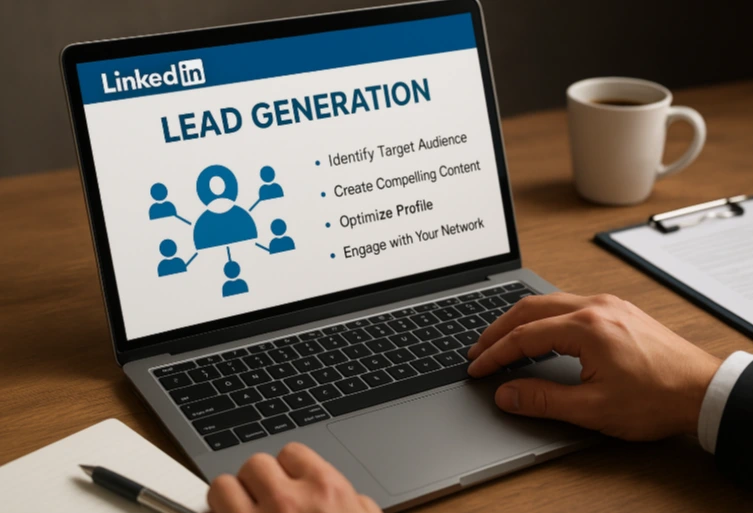
LinkedIn is not just a networking platform—it is one of the most effective B2B lead generation channels for US Consulting Firms. Instead of relying on cold emails or mass marketing campaigns, consulting firms use LinkedIn to identify decision-makers, build professional relationships, and nurture potential clients over time. This relationship-first approach creates trust before any sales conversation begins, making it easier to convert prospects into long-term business partners. Successful consulting firms begin by identifying their ideal audience based on industry, company size, business challenges, and leadership roles. They then connect with CEOs, founders, HR directors, finance leaders, operations managers, and other key decision-makers through personalized engagement. Rather than sending generic sales messages, they participate in industry discussions, comment on relevant posts, and share content that addresses the specific problems their target audience faces. This approach creates genuine conversations instead of one-sided promotions. Many US Consulting Firms also use LinkedIn’s advanced advertising and targeting features to support Account-Based Marketing (ABM). Sponsored content, industry reports, webinar invitations, and downloadable resources are shown only to professionals who match specific business criteria. This targeted strategy helps consulting firms reach qualified prospects while improving marketing efficiency and reducing unnecessary advertising costs. Educational content plays a major role in lead generation. Firms regularly publish case studies, market research, business insights, and practical frameworks that demonstrate their expertise. When business leaders find value in this content, they are more likely to follow the company, engage with its consultants, and eventually inquire about consulting services. Instead of forcing sales, LinkedIn allows US Consulting Firms to attract leads naturally by consistently providing useful information. By combining personalized networking, valuable content, and strategic targeting, LinkedIn becomes much more than a social media platform. It becomes a reliable business development channel where consulting firms build credibility, strengthen relationships, and generate qualified B2B opportunities. This long-term strategy helps firms maintain a steady pipeline of prospects while reinforcing their reputation as trusted advisors in their respective industries.
Best Practices to Build Long-Term Authority on LinkedIn
Building authority on LinkedIn requires consistency, authenticity, and a commitment to helping your audience. The most successful US Consulting Firms understand that trust is earned over time through valuable content and meaningful engagement rather than aggressive promotion. Every post, article, or comment should contribute something useful that helps business leaders make better decisions or understand industry trends more clearly. A consistent publishing schedule is one of the most important success factors. Consulting firms should regularly share business insights, leadership perspectives, market updates, client success stories, and educational resources. Maintaining an active presence keeps the firm visible in professional networks while demonstrating ongoing expertise. Consistency also signals reliability, which is a key factor when organizations evaluate potential consulting partners. Engagement is equally important as content creation. Responding to comments, joining professional discussions, recognizing industry achievements, and interacting with business leaders help strengthen relationships and expand visibility. LinkedIn rewards active participation, making it easier for consulting firms to reach a larger audience through organic engagement. Genuine conversations often create stronger business opportunities than promotional posts alone. Consulting firms should also monitor the performance of their LinkedIn strategy by tracking engagement, follower growth, content reach, and lead generation. Analyzing these metrics helps identify which topics resonate most with the audience and allows firms to refine their content strategy over time. Continuous improvement ensures that LinkedIn remains an effective platform for authority building and business development. For US Consulting Firms, long-term success on LinkedIn comes from delivering consistent value, sharing genuine expertise, and building professional relationships based on trust. Firms that focus on educating their audience rather than selling to them create stronger brand recognition, attract higher-quality clients, and establish themselves as respected leaders in the consulting industry.
Conclusion
Building authority on LinkedIn requires consistency, authenticity, and a commitment to helping your audience. The most successful US Consulting Firms understand that trust is earned over time through valuable content and meaningful engagement rather than aggressive promotion. Every post, article, or comment should contribute something useful that helps business leaders make better decisions or understand industry trends more clearly. A consistent publishing schedule is one of the most important success factors. Consulting firms should regularly share business insights, leadership perspectives, market updates, client success stories, and educational resources. Maintaining an active presence keeps the firm visible in professional networks while demonstrating ongoing expertise. Consistency also signals reliability, which is a key factor when organizations evaluate potential consulting partners. Engagement is equally important as content creation. Responding to comments, joining professional discussions, recognizing industry achievements, and interacting with business leaders help strengthen relationships and expand visibility. LinkedIn rewards active participation, making it easier for consulting firms to reach a larger audience through organic engagement. Genuine conversations often create stronger business opportunities than promotional posts alone. Consulting firms should also monitor the performance of their LinkedIn strategy by tracking engagement, follower growth, content reach, and lead generation. Analyzing these metrics helps identify which topics resonate most with the audience and allows firms to refine their content strategy over time. Continuous improvement ensures that LinkedIn remains an effective platform for authority building and business development. For US Consulting Firms, long-term success on LinkedIn comes from delivering consistent value, sharing genuine expertise, and building professional relationships based on trust. Firms that focus on educating their audience rather than selling to them create stronger brand recognition, attract higher-quality clients, and establish themselves as respected leaders in the consulting industry.
FAQs
Have questions? We’ve answered some of the most common queries to help you understand the topic better.
Q1. Why is LinkedIn important for US Consulting Firms?
LinkedIn helps US Consulting Firms build credibility, showcase expertise, connect with decision-makers, and generate high-quality B2B leads through professional networking and valuable content.
Q2. What type of LinkedIn content works best for consulting firms?
Industry insights, client success stories, market research, business trends, thought leadership articles, and educational PDF carousel posts generally perform best.
Q3. How often should US Consulting Firms post on LinkedIn?
Posting 2–4 times per week with consistent, high-quality content helps improve visibility, engagement, and authority over time.
Q4. Can LinkedIn generate consulting leads?
Yes. By sharing valuable content, building relationships with decision-makers, and using LinkedIn’s networking and advertising features, US Consulting Firms can generate qualified consulting leads.
Q5. How can consulting leaders build trust on LinkedIn?
Consulting leaders should regularly share professional insights, engage with industry discussions, publish thought leadership content, and maintain an active, authentic LinkedIn profile to build trust and credibility.
Want To Grow Your Business - Connect With KTPL
KTPL – Business Growth Agency, a creative solutions and business growth agency from India.
👉 Visit https://kirnanitechnologies.com
📞 Call us at +91 95093 33000
📧 Email us at contact@kirnanitechnologies.com


