


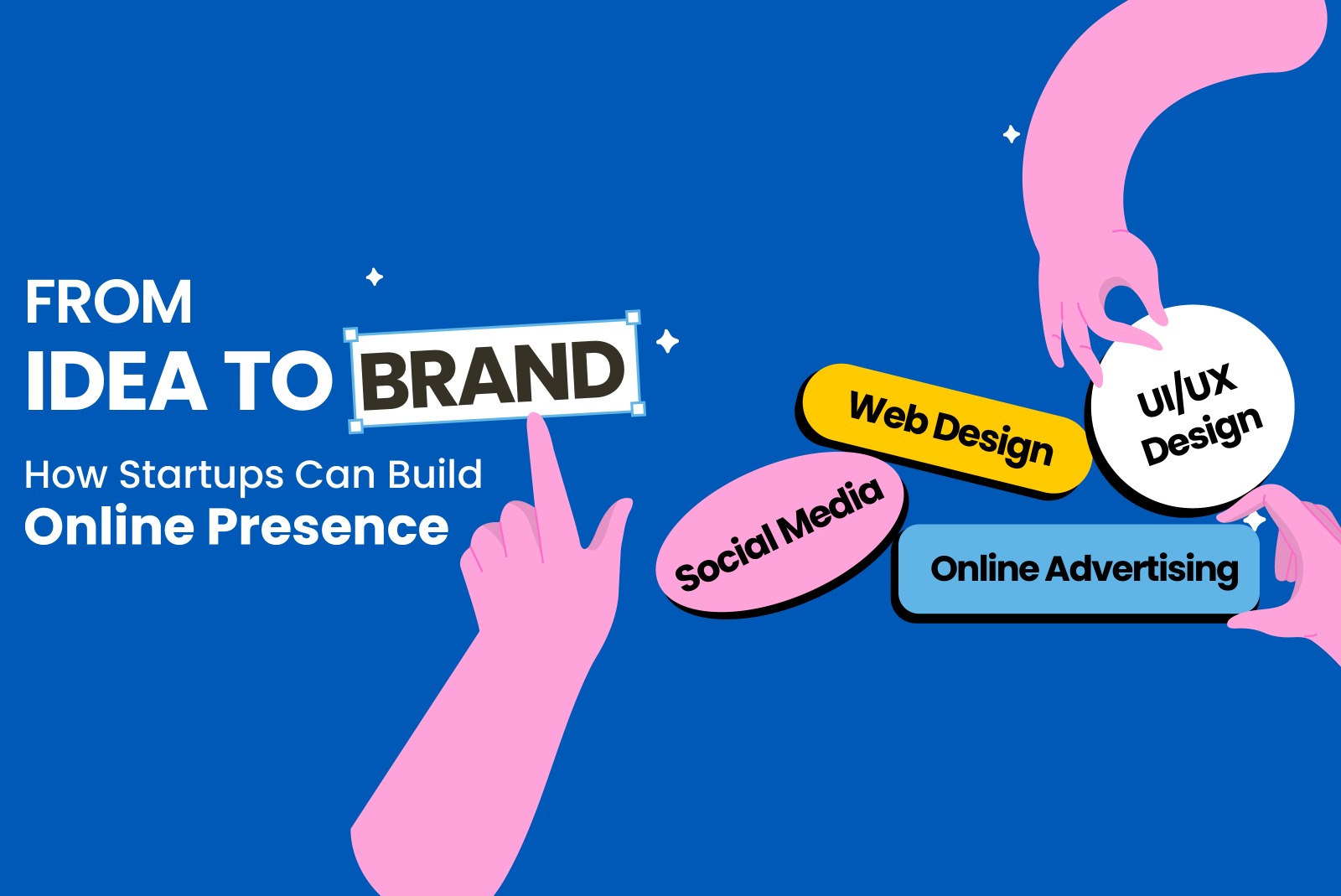
In today’s fast-evolving digital landscape, having a groundbreaking product or service is no longer enough. Startups must also focus on creating a strong online presence to attract, engage, and retain customers. A well-crafted digital identity not only boosts brand recognition but also builds credibility, trust, and long-term growth. KTPL – Business Growth Agency has worked with countless startups, helping them transform from simple ideas into recognizable brands. Here’s a detailed guide for startups aiming to build their online presence in 2026.
Understanding the Importance of Online Presence
- Increases visibility to potential customers
- Enhances brand credibility and trustworthiness
- Supports digital marketing campaigns effectively
- Encourages customer engagement and loyalty
Step 1: Define Your Brand Identity
- Brand Name and Logo: Ensure your logo is modern, memorable, and reflects your startup’s values.
- Brand Colors and Typography: Consistency in design helps reinforce brand recognition.
- Voice and Messaging: Your content style should reflect your startup’s personality and resonate with your target audience.
Step 2: Build a Professional Website
- Responsive Design: Ensure your site works seamlessly on desktop, tablet, and mobile devices.
- Fast Loading Speed: Optimize images, use efficient coding practices, and leverage caching to improve speed.
- SEO Optimization: Use keywords naturally, optimize meta tags, and structure content for search engines.
- User-Friendly Navigation: Simplify menus, add clear call-to-actions, and make your content easy to find.
Step 3: Leverage Social Media Strategically
- Instagram and TikTok: Ideal for startups targeting younger demographics with visual content.
- LinkedIn: Effective for B2B startups and professional networking.
- Facebook and Twitter: Still relevant for community building and customer support.
- Maintain consistent branding across all platforms.
- Use data analytics to track engagement and refine strategies.
- Experiment with reels, stories, and short-form video content to increase reach.
Step 4: Content Marketing that Adds Value
- Blogs: Publish regular articles targeting industry-specific keywords to improve search visibility.
- Videos: Demonstrate products, share behind-the-scenes content, or offer tutorials.
- Infographics: Simplify complex information into shareable visual content.
Step 5: Optimize for Search Engines (SEO)
- Keyword Research: Identify high-impact keywords related to your niche.
- On-Page SEO: Optimize titles, headings, meta descriptions, and internal links.
- Off-Page SEO: Build backlinks from authoritative sources and collaborate with influencers.
- Local SEO: Optimize Google My Business listings for local visibility if relevant.
Step 6: Email Marketing and Automation
- Segment your audience to deliver personalized content.
- Use automated email campaigns for nurturing leads and onboarding new customers.
- Provide value in every email—tips, updates, or exclusive offers.
Step 7: Utilize Paid Advertising
- Google Ads: Capture users searching for relevant products/services.
- Social Media Ads: Target audiences based on demographics, interests, and behaviors.
- Retargeting Campaigns: Re-engage users who previously visited your website.
Step 8: Monitor and Analyze Performance
- Website traffic and page views
- Social media engagement and follower growth
- Conversion rates from marketing campaigns
- Customer feedback and reviews
Step 9: Foster Community and Engagement
- Responding promptly to comments and messages
- Hosting webinars or live Q&A sessions
- Creating online communities through forums or social groups
Step 10: Stay Updated with Trends
- AI-driven personalization tools
- Voice search optimization
- Short-form video content trends
- Emerging social platforms and marketplaces
Conclusion
Building a strong online presence in 2026 requires a strategic blend of branding, website development, content marketing, social media, SEO, and engagement. Startups that prioritize these steps, measure results, and adapt to trends can transform from a simple idea into a well-recognized brand.
Partnering with KTPL – Business Growth Agency can accelerate this journey, providing expert guidance, actionable insights, and tailored strategies to help startups thrive in the competitive digital marketplace.
By investing time and effort into crafting a professional, engaging, and consistent online presence, startups can ensure sustainable growth, loyal customer bases, and a strong market footprint.
FAQs
Have questions? We’ve answered some of the most common queries to help you understand the topic better
Q1. How quickly can a startup build a noticeable online presence?
It varies by strategy and industry, but consistent content creation, social media engagement, and SEO can show measurable results in 3–6 months.
Q2. Should startups focus more on social media or website development?
Both are important. The website is the central hub, while social media drives traffic and engagement. A balanced approach works best.
Q3. How important is branding for startups online?
Extremely important. Branding establishes credibility, builds trust, and differentiates your startup from competitors.
Q4. Can email marketing still help startups in 2026?
Absolutely. Personalized, automated email campaigns remain highly effective for nurturing leads and retaining customers.
Q5. How can startups track the effectiveness of their online presence?
Startups can use analytics tools to monitor website traffic, engagement metrics, conversions, and customer feedback to refine strategies.
Want To Grow Your Business - Connect With KTPL
KTPL – Business Growth Agency, a creative solutions and business growth agency from India.
👉 Visit https://kirnanitechnologies.com
📞 Call us at +91 95093 33000
📧 Email us at contact@kirnanitechnologies.com


