


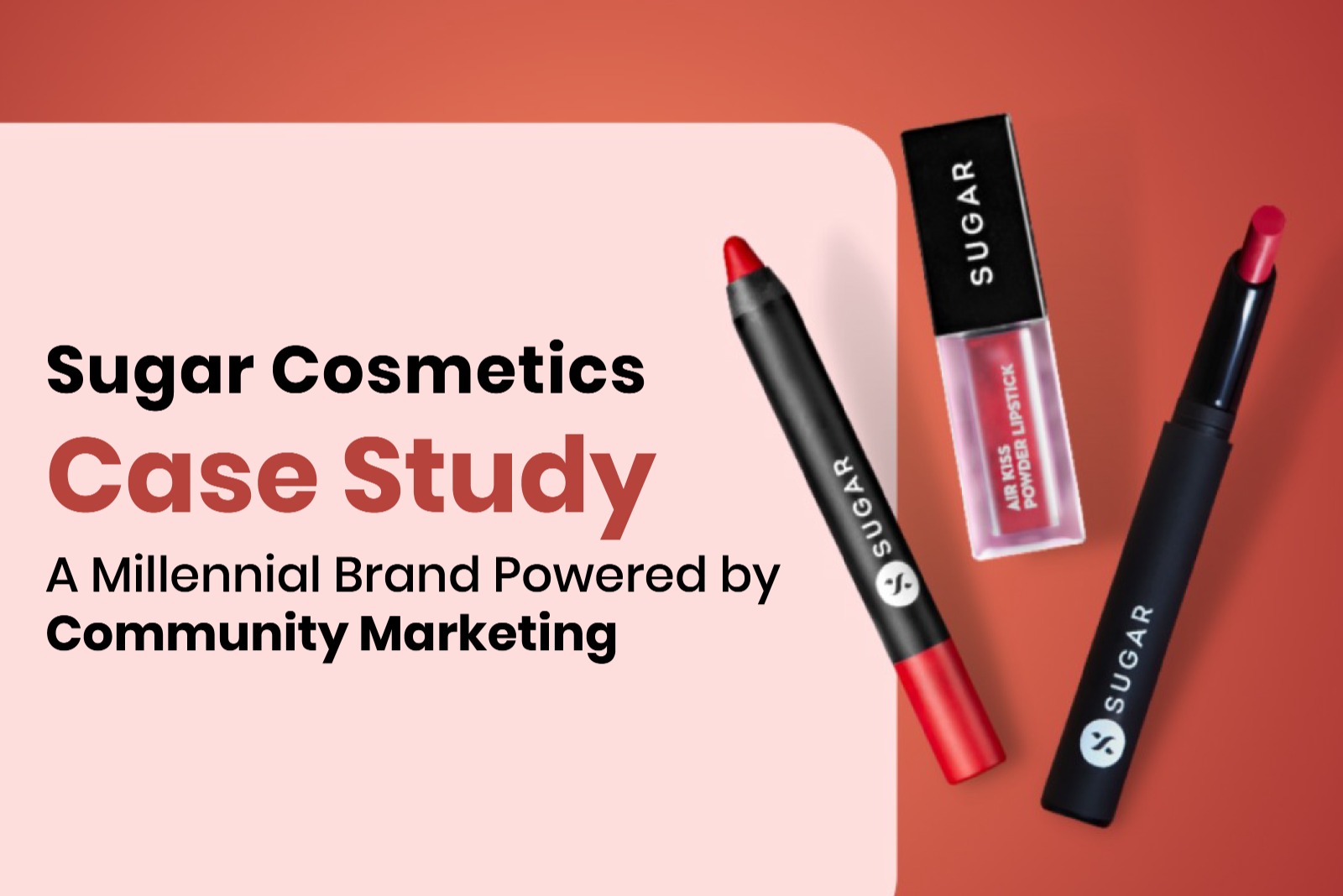
A Bold New Brand for Young India
Sugar Cosmetics is one of India’s fastest-growing beauty brands, built for modern women who want bold, long-lasting, and skin-friendly makeup. In a market filled with traditional beauty products, Sugar broke through the noise with a direct-to-consumer (D2C) model, community-driven marketing, and content that truly connected with its audience.
Let’s explore how Sugar Cosmetics became a powerhouse in India’s competitive beauty industry.
Founded for Indian Women, by Indian Founders
Before we explore their marketing strategies, it’s important to understand the core vision of Sugar. The brand was not just created to sell makeup, but to fill a gap in the market: makeup that suits Indian skin tones, Indian weather, and Indian preferences.
The Beginning of Sugar Cosmetics
- Founded in 2015 by Vineeta Singh and Kaushik Mukherjee
- Started with a small range of matte lipsticks
- Targeted young, urban women looking for quality products at affordable prices
Sugar didn’t try to imitate international brands. Instead, they created a fresh voice that spoke directly to Indian women who were bold, independent, and digitally active.
Community Marketing: Sugar’s Growth Engine
The foundation of Sugar’s growth is its community. Instead of spending crores on celebrity endorsements, Sugar built a tribe of loyal users who became brand ambassadors themselves.
Before we dive into campaign examples, let’s understand what community marketing really means. It’s about two-way communication, engagement, and letting real users become part of the brand journey.
How Sugar Built a Strong Community
- Encouraged user-generated content (UGC) through challenges and contests
- Promoted micro-influencers who created honest product reviews
- Created Facebook groups, WhatsApp communities, and Instagram campaigns
For example, their #SugarFam hashtag saw thousands of customers share selfies with Sugar products. This gave the brand free, authentic content and increased trust among potential buyers.
Social Media Strategy: Speak Their Language
Social media became Sugar’s playground. But unlike other brands that only post product photos, Sugar creates content that educates, engages, and entertains.
Now let’s break down what made their social media strategy different.
Content That Resonates
- Tutorials for dusky skin tones
- Real stories of real customers
- Behind-the-scenes videos from the factory and warehouse
- Meme marketing and reels aligned with Gen Z humor
They also used polls, Q&As, and feedback boxes to co-create products with users—turning followers into contributors.
Influencer Marketing: Real People, Real Impact
Between Instagram posts and YouTube reviews, Sugar understood one thing clearly: People trust people.
- Small-town content creators
- Makeup artists
- Students or working women sharing their routines
Benefits of Micro-Influencer Strategy
- Cost-effective compared to mega-celebrities
- Builds long-term brand advocates
- Results in higher conversion due to audience trust
Instead of one-time posts, Sugar built relationships with creators, offering them early product access, feedback loops, and even collaborative launches.
Product Development Backed by Community Feedback
Many brands launch products and then wait for feedback. Sugar reverses this. It collects community insights before product development, ensuring every launch solves a real need.
Let’s look at how they involve customers in product decisions.
Popular Sugar Products Developed with Feedback
- Matte Attack Lipstick: Long-lasting with Indian-friendly shades
- Ace of Face Foundation Stick: Sweat-proof and easy to apply
- Contour De Force Mini Palette: Compact and travel-friendly
Every product is tested by influencers, customers, and makeup artists before launch. This data-driven approach improves customer satisfaction and reduces returns or negative reviews.
Offline Expansion: More Than a D2C Brand
Sugar started online via Nykaa and its own website, but quickly expanded offline to reach Tier 2 and Tier 3 cities.
Before going offline, Sugar used heatmap data from online orders to decide which cities had demand. That’s how smart their model is!
Offline Strategy Highlights
- Over 10,000 retail outlets including Lifestyle, Shoppers Stop, and independent stores
- Exclusive Sugar kiosks in malls and metro stations
- Beauty vans and pop-up stores in colleges and events
This omnichannel approach ensures that Sugar reaches consumers where they are, not just on Instagram or websites.
Founder-Driven Branding: The Vineeta Singh Effect
Having Vineeta Singh as the co-founder has been a game-changer for Sugar. After her appearance on Shark Tank India, she became a household name. But even before that, her journey as a female entrepreneur inspired trust and admiration.
Why Founder Branding Works
- Adds credibility and human touch
- Shows passion and values behind the brand
- Inspires aspiring women entrepreneurs
Her personal story—rejecting a ₹1 Cr job offer to start her own company—resonates deeply with Sugar’s audience.
Revenue and Growth Metrics
Sugar is not just a marketing story. It’s a business success.
Before we end, let’s quickly go through their key growth stats that prove their strategy is working.
Impressive Performance Stats
- FY24 Revenue: ₹501+ Crores
- Valuation: Over ₹2.940 Crores
- 300+% YoY growth in D2C orders
- 70% repeat customer rate
- Over 4 million followers across social platforms
Key Lessons from Sugar Cosmetics
What makes Sugar different is not just its lipstick shades but its marketing DNA. The brand listens, engages, and evolves with its customers
Key Takeaways:
- Build a tribe, not just an audience
- Focus on community-first marketing
- Mix online and offline smartly
- Use data before development
- Keep your brand voice consistent
FAQs
Have questions? We’ve answered some of the most common queries to help you understand the topic better
1. Who is the founder of Sugar Cosmetics?
Sugar was founded by Vineeta Singh and Kaushik Mukherjee in 2015.
2. What is community marketing in Sugar Cosmetics?
It’s a strategy where real users create content, give feedback, and promote the brand voluntarily—building trust and loyalty.
3. How is Sugar different from traditional beauty brands?
Sugar targets Indian skin tones, uses UGC, and works with micro-influencers for authentic marketing.
4. Is Sugar Cosmetics only an online brand?
No. It follows an omnichannel model with both online and offline retail stores across India.
5. What is Sugar’s top-selling product?
Their Matte Attack Transferproof Lipstick and Ace of Face Foundation Stick are customer favorites.
Want To Grow Your Business - Connect With KTPL
KTPL – Business Growth Agency, a creative solutions and business growth agency from India.
👉 Visit https://kirnanitechnologies.com
📞 Call us at +91 95093 33000
📧 Email us at contact@kirnanitechnologies.com


