


Introduction
The global automotive industry has historically relied on dealership networks to connect manufacturers with customers. This system, while effective for decades, introduced multiple intermediaries into the sales process, often resulting in inefficiencies, inconsistent pricing, and a fragmented customer experience. However, Tesla has fundamentally challenged this traditional structure by adopting a direct-to-consumer (DTC) model.
Rather than depending on third-party dealerships, Tesla sells its vehicles directly through its official website and company-owned experience centers. This bold and unconventional approach, driven by the vision of Elon Musk, has revolutionized the way automobiles are marketed, sold, and delivered.
By eliminating middlemen, Tesla has gained unprecedented control over pricing, customer experience, and brand positioning. More importantly, this strategy has enabled faster growth, stronger customer relationships, and a competitive advantage that continues to reshape the automotive industry.
In this comprehensive guide, we will explore Tesla’s direct-to-consumer model in depth, including its structure, evolution, benefits, challenges, and long-term impact on global business practices.
Understanding Tesla’s Direct-to-Consumer Model
Tesla’s direct-to-consumer model is a vertically integrated business strategy where the company manages every stage of the sales process without relying on independent dealers or intermediaries.
- Product marketing and discovery
- Customer education
- Vehicle customization
- Order processing
- Delivery logistics
- After-sales service
This approach ensures that every customer interaction is controlled, consistent, and aligned with Tesla’s brand values.
Unlike traditional automakers, Tesla does not outsource sales responsibilities. Instead, it combines digital platforms with physical experience centers to create a seamless and modern buying journey.
The Evolution of Tesla’s Sales Strategy
When Tesla entered the automotive market, it faced significant barriers. Established car manufacturers had long-standing relationships with dealership networks, making it difficult for new entrants to compete.
Instead of following the conventional path, Tesla chose disruption over adaptation. Under Elon Musk’s leadership, the company embraced a digital-first approach that prioritized innovation and customer convenience.
- Building a powerful online sales platform
- Creating engaging physical showrooms
- Simplifying the purchasing process
- Leveraging technology for customer engagement
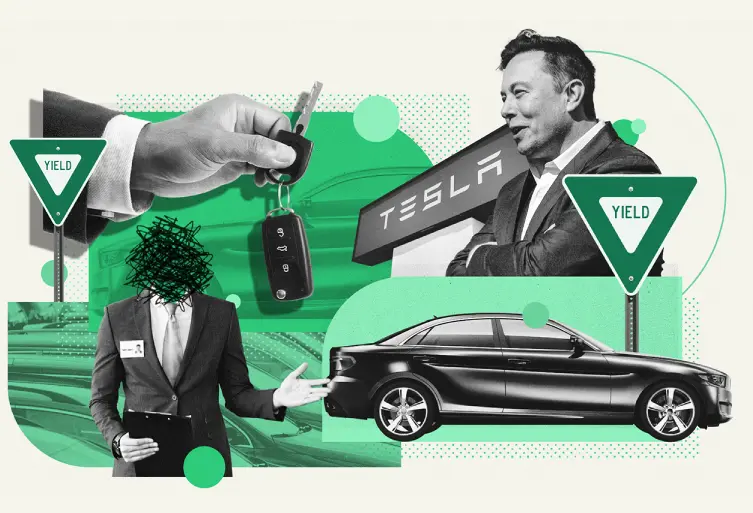
Limitations of the Traditional Dealership Model
To fully appreciate Tesla’s innovation, it is important to understand the inherent flaws in the traditional dealership system.
1. Lack of Pricing Transparency
In a dealership-based model, vehicle prices often vary based on negotiation, location, and dealer margins. This creates confusion and erodes trust among customers.
2. Conflicting Incentives
Dealerships aim to maximize their own profits, which may not align with the manufacturer’s long-term goals or customer satisfaction. This can lead to aggressive sales tactics and poor customer experiences.
3. Inconsistent Service Quality
Different dealerships provide varying levels of service, resulting in inconsistent brand perception across regions.
4. Slower Decision-Making
Manufacturers must coordinate with multiple dealerships before implementing changes, slowing down innovation and adaptability.
Tesla recognized these challenges and built a system designed to eliminate them entirely.
How Tesla’s Direct Sales Model Works
Tesla’s purchasing process is designed to be simple, efficient, and aligned with modern consumer expectations.
Step 1: Online Exploration
Customers begin their journey by visiting Tesla’s official website, where they can explore vehicle models, features, specifications, and pricing.
Step 2: Customization
Tesla allows buyers to personalize their vehicles by selecting colors, interiors, battery options, and additional features.
Step 3: Seamless Ordering
Once satisfied, customers can place their order online within minutes. There is no need for negotiation or paperwork typically associated with dealerships.
Step 4: Direct Delivery
Tesla manages the delivery process, ensuring a smooth and controlled experience from purchase to handover.
Step 5: After-Sales Support
Service and support are handled directly by Tesla through its service centers and digital platforms.
This streamlined process reduces friction and enhances customer satisfaction.
Tesla’s Digital Ecosystem: The Backbone of Its Strategy
A major strength of Tesla’s model lies in its robust digital ecosystem. The company has built a powerful online platform that serves as the primary sales channel.
Key Features of Tesla’s Digital Platform
- Real-time pricing updates
- Transparent cost breakdown
- Interactive vehicle configuration tools
- Secure online payment system
- Mobile-friendly interface
This digital-first approach not only simplifies the buying process but also reduces operational costs and improves scalability.
Tesla Showrooms: Experience Centers, Not Dealerships
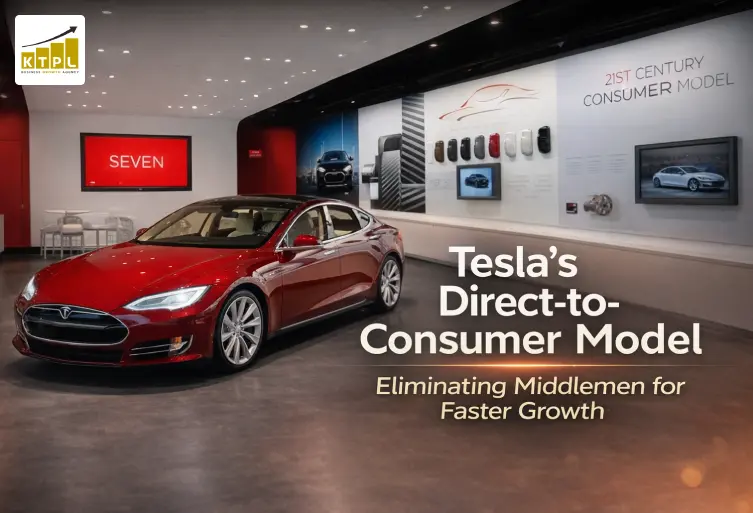
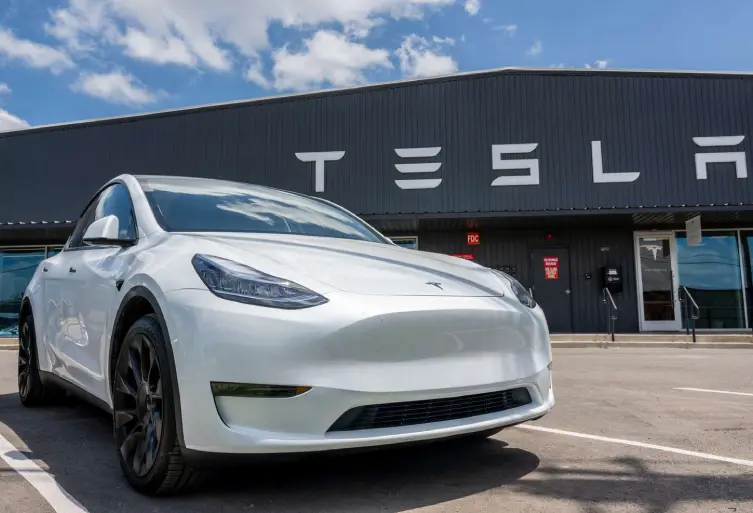
Tesla’s physical locations are designed to complement its online platform rather than replace it. These showrooms focus on education and brand experience rather than direct selling.
Unique Characteristics of Tesla Showrooms
- Located in high-traffic urban areas
- Focus on product education and demonstration
- Interactive displays and immersive experiences
- No commission-based sales staff
Customers can explore vehicles at their own pace, creating a more relaxed and trust-driven environment.
Advantages of Tesla’s Direct-to-Consumer Model
Tesla’s approach offers several strategic benefits that contribute to its rapid growth and market leadership.
1. Complete Pricing Control
Tesla uses a fixed pricing model, ensuring transparency and fairness. Customers pay the same price regardless of location or negotiation skills.
2. Higher Profit Margins
By eliminating dealerships, Tesla retains more revenue per vehicle and reduces operational inefficiencies.
3. Strong Brand Consistency
Tesla controls every customer interaction, ensuring a uniform brand experience across all touchpoints.
4. Faster Innovation and Updates
Tesla can quickly introduce new features, adjust pricing, and implement changes without relying on third parties.
5. Direct Customer Relationships
Tesla collects valuable data directly from customers, enabling better decision-making and personalized experiences.
Challenges Faced by Tesla’s Direct Sales Model
While Tesla’s model offers numerous advantages, it also presents certain challenges.
1. Regulatory Barriers
In some regions, laws require vehicles to be sold through dealerships, limiting Tesla’s ability to operate freely.
2. Limited Physical Reach
Tesla has fewer physical locations compared to traditional automakers, which may impact accessibility in certain markets.
3. Operational Complexity
Managing sales, delivery, and service internally requires significant investment and infrastructure.
Despite these challenges, Tesla continues to refine its model and expand its global presence.
Tesla vs Traditional Automakers: A Comparative Analysis
Aspect | Tesla | Traditional Automakers |
Sales Model | Direct-to-consumer | Dealership-based |
Pricing | Fixed and transparent | Negotiable |
Customer Experience | Digital-first | Dealer-dependent |
Brand Control | Complete | Partial |
Innovation Speed | High | Moderate |
This comparison highlights how Tesla has modernized the automotive sales process.
Impact on Tesla’s Growth and Market Leadership
Tesla’s direct-to-consumer model has been a key driver of its success.
1. Rapid Market Expansion
Tesla can enter new markets without building dealership networks, reducing time and cost.
2. Increased Customer Trust
Transparent pricing and consistent service enhance customer satisfaction and loyalty.
3. Strong Competitive Differentiation
Tesla’s model sets it apart from traditional automakers, positioning it as a technology-driven brand.
Industry-Wide Transformation Driven by Tesla
Tesla’s success has influenced the entire automotive industry. Many traditional automakers are now exploring alternative sales strategies, including:
- Direct online sales platforms
- Hybrid dealership models
- Subscription-based ownership options
- Enhanced digital customer experiences
This shift indicates a broader transformation toward customer-centric business models.
Lessons Businesses Can Learn from Tesla
Tesla’s approach offers valuable insights for companies across various industries.
1. Prioritize Customer Experience
Simplifying the buying process can significantly improve customer satisfaction and retention.
2. Invest in Digital Infrastructure
A strong online platform enhances scalability and operational efficiency.
3. Eliminate Unnecessary Intermediaries
Reducing dependency on middlemen improves profitability and control.
4. Maintain Brand Consistency
Controlling customer interactions ensures a consistent and strong brand identity.
The Future of Direct-to-Consumer Models
The direct-to-consumer approach is rapidly gaining traction across industries beyond automotive, including retail, healthcare, and technology.
Emerging Trends
- AI-driven personalization
- Virtual and augmented reality experiences
- Faster and more efficient delivery systems
- Data-driven decision-making
Tesla’s model is likely to serve as a blueprint for future business strategies.
Conclusion
Tesla’s direct-to-consumer model represents a fundamental shift in how products are sold in the modern era. By eliminating middlemen, the company has created a faster, more transparent, and customer-focused system that aligns perfectly with today’s digital economy.
This innovative approach has not only fueled Tesla’s growth but also influenced the entire automotive industry to rethink its traditional practices. As more companies adopt similar strategies, the future of sales will become increasingly direct, efficient, and technology-driven.
For businesses aiming to innovate and scale, Tesla’s journey offers a powerful lesson: focus on the customer, embrace digital transformation, and simplify the path to purchase.
FAQs
Have questions? We’ve answered some of the most common queries to help you understand the topic better
Q1. What is Tesla’s direct-to-consumer model?
Tesla sells vehicles directly to customers without using third-party dealerships.
Q2. Why is Tesla’s model successful?
It enhances transparency, improves customer experience, and increases efficiency.
Q3. Does Tesla allow price negotiation?
No, Tesla follows a fixed pricing model.
Q4. How are Tesla vehicles delivered?
Tesla manages delivery through its own logistics network.
Q5. Will other companies adopt this model?
Many companies are exploring similar strategies, though implementation depends on regulations.
Want To Grow Your Business - Connect With KTPL
KTPL – Business Growth Agency, a creative solutions and business growth agency from India.
👉 Visit https://kirnanitechnologies.com
📞 Call us at +91 95093 33000
📧 Email us at contact@kirnanitechnologies.com


