


Introduction
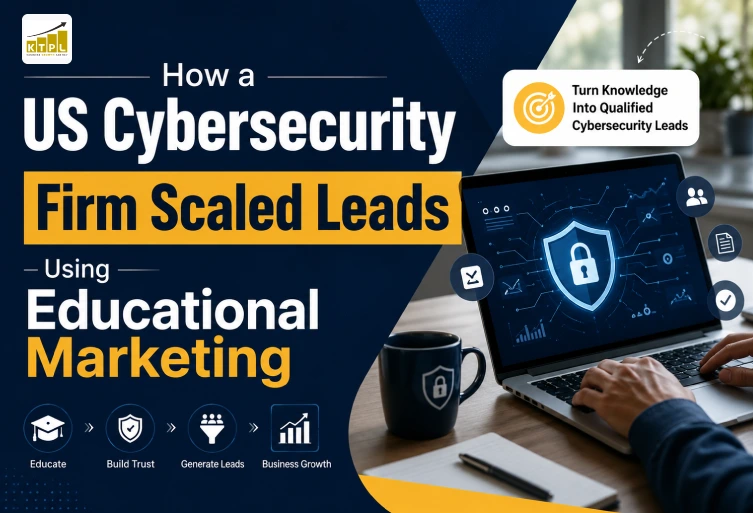
The cybersecurity industry has become one of the most competitive digital markets in the United States. Every US Cybersecurity Firm competes for the attention of businesses that need protection against ransomware, phishing attacks, cloud vulnerabilities, insider threats, and compliance risks. While many companies still rely on paid advertising or aggressive sales outreach, the most successful firms are discovering that educational marketing creates stronger trust, generates higher-quality leads, and shortens the sales cycle. Modern buyers no longer make decisions based solely on advertisements—they research extensively, compare providers, and look for companies that demonstrate genuine expertise before requesting a consultation. Educational marketing helps cybersecurity businesses position themselves as trusted advisors instead of product sellers. By publishing valuable blogs, security guides, webinars, compliance resources, and technical insights, companies attract prospects who are actively searching for cybersecurity solutions. This strategy improves organic search rankings, increases website authority, and nurtures visitors until they are ready to become customers. As search engines increasingly reward helpful content, educational marketing has become one of the most effective long-term growth strategies for any US Cybersecurity Firm. Whether your organization provides Managed Detection and Response (MDR), Security Operations Center (SOC) services, penetration testing, vulnerability assessments, cloud security, or compliance consulting, creating educational content allows you to answer customer questions before your competitors do. This article explains how a leading US Cybersecurity Firm successfully scaled its lead generation using educational marketing, the strategies behind its success, and how similar businesses can implement these proven techniques to achieve sustainable business growth.
Why Educational Marketing Works Better Than Traditional Sales
Traditional cybersecurity marketing often depends on fear-based messaging that focuses on data breaches, ransomware attacks, and financial losses. While these topics capture attention, they rarely establish long-term trust with potential clients. Today’s business decision-makers—including CIOs, CISOs, IT managers, compliance officers, and business owners—prefer working with companies that educate rather than simply promote services. A successful US Cybersecurity Firm understands that informed prospects are more likely to become loyal customers because they recognize the value of proactive cybersecurity instead of reacting only after an incident occurs. Educational marketing transforms complex technical concepts into understandable business solutions. Instead of overwhelming prospects with technical jargon, companies publish informative articles explaining cyber threats, regulatory compliance requirements, cloud security practices, endpoint protection strategies, and risk management frameworks in simple language. This approach positions the business as a knowledgeable authority while helping potential customers solve real-world security challenges. Over time, this consistent educational approach strengthens brand credibility and encourages repeat website visits. Another major advantage is improved search engine visibility. Search engines prioritize websites that consistently publish original, informative, and user-focused content. High-quality educational blogs naturally rank for hundreds of cybersecurity-related search queries, allowing a US Cybersecurity Firm to generate qualified organic traffic without depending entirely on paid advertising. Each blog, guide, or resource becomes a long-term digital asset capable of attracting visitors for months or even years after publication. Educational content also supports every stage of the customer journey. Awareness-stage visitors may discover beginner-friendly cybersecurity articles through Google Search, while businesses evaluating vendors can download technical whitepapers or compliance checklists. Decision-stage prospects often request security assessments after consuming multiple educational resources from the same company. This gradual trust-building process significantly increases conversion rates because prospects already understand the firm’s expertise before speaking with the sales team. In addition to improving lead quality, educational marketing creates opportunities for backlinks from technology publications, cybersecurity communities, government resources, and industry blogs. These authoritative backlinks improve domain authority and strengthen SEO performance, making it easier for future content to rank competitively. As a result, educational marketing becomes a self-reinforcing strategy where valuable content attracts traffic, traffic generates backlinks, and backlinks further improve visibility. For businesses seeking sustainable growth, educational marketing delivers measurable long-term benefits. Unlike paid campaigns that stop producing leads once the budget ends, educational content continues attracting qualified visitors, building trust, and generating business opportunities. That is why many successful organizations consider content marketing one of their highest-return investments.
Building Trust Through Valuable Cybersecurity Content
Trust remains the single most important factor influencing purchasing decisions in the cybersecurity industry. Businesses entrust cybersecurity providers with their sensitive information, critical infrastructure, and regulatory compliance responsibilities. Therefore, a US Cybersecurity Firm must consistently demonstrate expertise long before asking potential clients to purchase services. Educational content becomes one of the strongest ways to establish this trust because it allows companies to prove their knowledge instead of merely claiming it. Successful cybersecurity firms publish content that answers practical questions businesses face every day. Topics such as preventing phishing attacks, preparing for ransomware incidents, implementing Zero Trust Architecture, securing cloud environments, meeting compliance standards like HIPAA, PCI DSS, SOC 2, or NIST, and improving endpoint security all provide immediate value to readers. Rather than focusing solely on selling services, educational articles empower businesses to make informed security decisions, creating a positive relationship with the brand from the very beginning. Transparency also strengthens credibility. Instead of promising unrealistic protection against every cyber threat, trusted cybersecurity companies explain both the strengths and limitations of different security solutions. Case studies, real-world breach analyses, industry research, security statistics, and practical implementation guides demonstrate experience while helping readers understand the complexity of modern cybersecurity challenges. This honest approach makes a US Cybersecurity Firm appear more reliable and trustworthy than competitors relying on exaggerated marketing claims. Educational resources extend beyond blog articles. Downloadable cybersecurity checklists, incident response templates, compliance roadmaps, risk assessment worksheets, and executive security guides provide additional value while encouraging visitors to share their contact information. These resources generate qualified leads because businesses downloading technical materials typically have active cybersecurity concerns and purchasing intent. The educational exchange feels natural because visitors receive genuinely useful information in return. Publishing consistently is equally important. Search engines reward websites that regularly update their content with current cybersecurity trends, newly discovered vulnerabilities, regulatory updates, and emerging attack techniques. Frequent publishing signals industry expertise while giving prospects more reasons to return. Over time, this growing knowledge library becomes a powerful competitive advantage that continually attracts new visitors through organic search. When educational content is distributed across LinkedIn, email newsletters, webinars, cybersecurity communities, and industry forums, its reach expands significantly. Each distribution channel reinforces the firm’s expertise while increasing brand recognition among decision-makers. Eventually, prospects begin associating the company with reliable cybersecurity education, making future sales conversations considerably easier because trust has already been established before the first consultation.
Creating Educational Content for Every Stage of the Buyer's Journey
One of the biggest reasons a successful US Cybersecurity Firm scales lead generation is its ability to create educational content that supports every stage of the buyer’s journey. Businesses researching cybersecurity services do not all have the same level of awareness or urgency. Some are simply learning about emerging cyber threats, while others are actively comparing vendors before making an investment. Educational marketing recognizes these differences and delivers the right information at the right time, helping prospects move naturally from awareness to decision without feeling pressured by aggressive sales tactics. At the awareness stage, companies focus on publishing SEO-optimized blog articles, cybersecurity news updates, beginner guides, infographics, and explainer content that addresses common business concerns. Topics such as “How to Prevent Ransomware Attacks,” “What is Managed Detection and Response (MDR)?”, or “Top Cloud Security Risks for Small Businesses” attract users searching for answers on Google. This informative content introduces the brand while improving search visibility and establishing the US Cybersecurity Firm as a trusted educational resource. As prospects enter the consideration stage, they begin evaluating possible solutions and comparing service providers. This is the ideal time to offer more detailed educational assets, including compliance whitepapers, cybersecurity eBooks, industry reports, recorded webinars, implementation guides, and security best-practice checklists. These resources demonstrate technical expertise while helping decision-makers understand which cybersecurity solutions align with their business objectives. By providing meaningful insights instead of promotional messaging, firms continue strengthening trust and increasing engagement. During the decision stage, prospects seek evidence that a provider can deliver measurable results. Educational marketing supports this phase through customer success stories, quantified case studies, free cybersecurity assessments, vulnerability scans, security score calculators, ROI analyses, and consultation offers. Because visitors have already consumed valuable educational content throughout their buying journey, they are significantly more likely to convert into qualified leads. Instead of convincing skeptical prospects, the sales team engages informed buyers who already recognize the firm’s expertise and value proposition.
Leveraging SEO to Attract High-Intent Cybersecurity Leads
Search engine optimization is one of the most powerful growth channels for any US Cybersecurity Firm because it attracts prospects who are actively searching for cybersecurity solutions rather than interrupting them with advertisements. Decision-makers often begin their buying journey by searching Google for topics like “best managed security services,” “SOC 2 compliance consultant,” “penetration testing company,” or “how to prevent ransomware attacks.” If your website consistently appears for these high-intent searches, your business gains qualified traffic from users already interested in your services. Unlike paid advertising, SEO continues delivering value long after content is published, making it a sustainable lead-generation strategy. A successful cybersecurity SEO strategy starts with comprehensive keyword research. Instead of targeting only broad terms, leading firms optimize content around long-tail keywords that reflect user intent. Phrases such as US Cybersecurity Firm, enterprise cybersecurity services, cloud security consulting, managed detection and response, endpoint protection solutions, cybersecurity risk assessment, compliance consulting, and cybersecurity audit services help attract visitors who are closer to making purchasing decisions. These keywords should be naturally integrated into blog posts, service pages, FAQs, meta titles, image alt text, and internal links without compromising readability. Content quality remains the backbone of SEO success. Search engines prioritize websites that publish original, authoritative, and user-focused information. Every article should answer real business questions while offering actionable recommendations supported by industry knowledge. Instead of producing short promotional blogs, leading cybersecurity companies create comprehensive resources that explain security frameworks, compliance standards, cyber threat trends, incident response planning, and practical defense strategies. This depth increases dwell time, reduces bounce rates, and improves search rankings over time. Technical SEO is equally important for a US Cybersecurity Firm. A fast-loading website, mobile-friendly design, secure HTTPS connection, structured schema markup, optimized Core Web Vitals, XML sitemaps, and logical URL structures contribute significantly to better search performance. Search engines reward websites that provide excellent user experiences, and business decision-makers also appreciate websites that are professional, secure, and easy to navigate. Combining technical optimization with valuable educational content creates a strong foundation for long-term organic growth. Backlinks from authoritative technology websites, cybersecurity publications, business magazines, and industry associations further strengthen search visibility. Publishing original research, cybersecurity statistics, expert opinions, and data-driven reports encourages other websites to reference your content naturally. These backlinks signal authority to search engines while expanding brand visibility across the cybersecurity ecosystem. Internal linking also plays an important role by connecting related articles, service pages, and downloadable resources, making it easier for visitors and search engines to discover valuable information throughout the website. SEO is not a one-time effort but an ongoing strategy. Regularly updating older articles with new cybersecurity threats, emerging technologies, compliance changes, and recent case studies keeps content relevant and competitive. Continuous optimization ensures that a US Cybersecurity Firm maintains strong rankings, attracts high-intent visitors, and generates consistent leads from organic search throughout the year.
Using LinkedIn and Account-Based Marketing (ABM) to Reach Decision-Makers
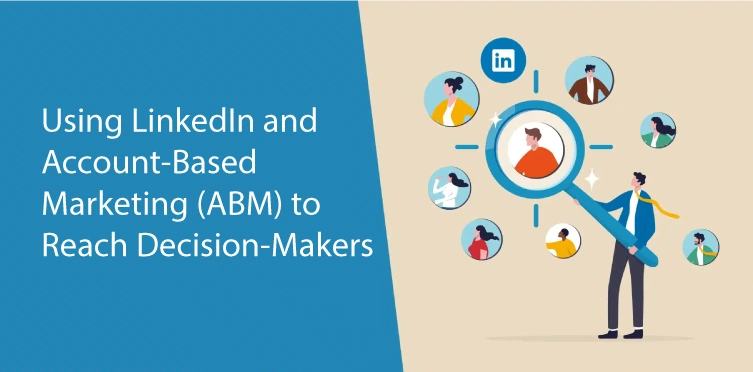
While SEO attracts prospects through search engines, LinkedIn and Account-Based Marketing (ABM) allow a US Cybersecurity Firm to proactively engage organizations that fit its ideal customer profile. Cybersecurity purchasing decisions usually involve multiple stakeholders, including Chief Information Security Officers (CISOs), Chief Information Officers (CIOs), IT Directors, Compliance Managers, Risk Officers, and business executives. LinkedIn provides direct access to these professionals, making it one of the most valuable platforms for B2B cybersecurity marketing. Educational content is the foundation of successful LinkedIn marketing. Instead of posting frequent promotional messages, cybersecurity firms share industry insights, threat intelligence updates, compliance tips, security best practices, and simplified explanations of emerging cyber risks. These informative posts establish credibility while encouraging engagement from professionals seeking reliable cybersecurity knowledge. Consistent educational posting also increases brand visibility within professional networks and builds recognition among potential buyers long before they begin evaluating vendors. Account-Based Marketing enhances this strategy by focusing resources on carefully selected target organizations rather than broad audiences. A US Cybersecurity Firm identifies companies within specific industries such as healthcare, finance, manufacturing, legal services, education, or SaaS that match its expertise. Personalized educational campaigns are then created for these organizations, addressing their industry-specific cybersecurity challenges, compliance requirements, and operational risks. This targeted approach generates significantly higher engagement because prospects receive content directly relevant to their business environment. LinkedIn advertising can further amplify educational marketing efforts by promoting webinars, whitepapers, compliance guides, cybersecurity checklists, and executive reports to selected decision-makers. Rather than directing traffic to generic sales pages, these campaigns provide immediate value and encourage prospects to continue learning. This consultative approach builds trust while collecting qualified leads through gated educational resources. Personal outreach also becomes more effective when combined with educational content. Instead of sending sales-heavy messages, cybersecurity professionals share helpful articles, invite prospects to webinars, or recommend industry research that addresses current challenges. These conversations feel genuine because they prioritize knowledge sharing instead of immediate selling. Over time, this relationship-driven approach creates stronger connections and increases response rates compared to traditional cold outreach. The most successful cybersecurity organizations integrate LinkedIn, ABM, SEO, email nurturing, webinars, and educational content into one cohesive marketing strategy. Every channel reinforces the others, ensuring prospects repeatedly encounter valuable information that strengthens trust and positions the US Cybersecurity Firm as a reliable long-term security partner rather than simply another service provider.
Lead Magnets That Convert Website Visitors into Qualified Prospects
Generating website traffic is only the beginning of the marketing journey. The real objective for every US Cybersecurity Firm is converting anonymous visitors into qualified business opportunities. Lead magnets play a critical role in this process by offering valuable educational resources in exchange for basic contact information. When designed strategically, these resources attract organizations genuinely interested in improving their cybersecurity posture, resulting in higher-quality leads and more productive sales conversations. One of the most effective lead magnets is a cybersecurity risk assessment checklist. Business owners often recognize that security improvements are necessary but are unsure where vulnerabilities exist. A detailed assessment guide helps organizations evaluate their current security practices while highlighting areas that require professional attention. Similarly, compliance readiness checklists for standards such as SOC 2, HIPAA, ISO 27001, PCI DSS, or NIST provide immediate value to businesses preparing for audits or regulatory requirements. Comprehensive eBooks and whitepapers continue to perform exceptionally well because they explore cybersecurity topics in greater depth than standard blog articles. Resources discussing ransomware prevention, Zero Trust implementation, cloud security strategies, incident response planning, supply chain security, or AI-driven cyber threats demonstrate technical expertise while nurturing prospects through the consideration stage. These downloadable assets position the US Cybersecurity Firm as a knowledgeable advisor capable of solving complex business security challenges. Interactive tools often produce even higher engagement. Security score calculators, ransomware cost estimators, compliance gap analyzers, password security checkers, and cyber risk assessment tools encourage active participation from website visitors. Instead of passively reading content, prospects receive personalized insights that make the educational experience more memorable. These tools also generate valuable lead qualification data that helps sales teams prioritize follow-up conversations. Webinars and live educational events provide another highly effective lead-generation opportunity. Security professionals can discuss emerging cyber threats, explain regulatory changes, demonstrate security frameworks, or answer audience questions in real time. Businesses participating in these sessions are often actively researching cybersecurity solutions, making them highly qualified prospects for future consultations. Recorded webinars also become evergreen educational assets that continue generating leads long after the live event concludes. Lead magnets should always be supported by automated email nurturing campaigns that continue providing educational value after the initial download. Instead of immediately promoting services, follow-up emails should share additional blogs, industry reports, implementation guides, and relevant case studies that help prospects continue learning. This consistent educational approach builds familiarity, strengthens trust, and significantly increases the likelihood that prospects will choose the US Cybersecurity Firm when they are ready to invest in cybersecurity solutions.
Measuring the ROI of Educational Marketing
Educational marketing should never rely on assumptions alone. Every US Cybersecurity Firm needs a structured measurement framework to understand which content generates traffic, nurtures prospects, and ultimately contributes to revenue. Tracking meaningful performance indicators enables marketing teams to refine their strategy, invest in high-performing content, and eliminate tactics that fail to produce measurable business outcomes. A data-driven approach ensures that educational marketing remains aligned with both marketing objectives and overall business growth. Website analytics provide the first layer of insight by measuring organic traffic, keyword rankings, user engagement, average session duration, bounce rate, and conversion rates. These metrics reveal which educational articles attract the most qualified visitors and which topics resonate with target audiences. For example, if a guide about ransomware prevention consistently generates consultation requests while another article receives traffic but few conversions, future content planning can focus on similar high-performing topics that deliver stronger commercial value. Lead quality is another critical performance metric. Rather than evaluating marketing success based solely on traffic volume, cybersecurity firms should measure how many visitors become marketing-qualified leads (MQLs), sales-qualified leads (SQLs), consultation requests, or paying customers. CRM platforms and marketing automation tools help connect content interactions with actual sales opportunities, giving a US Cybersecurity Firm clear visibility into which educational assets influence purchasing decisions throughout the buyer’s journey. Content attribution also plays an important role in understanding customer behavior. Businesses rarely convert after reading a single blog post. Instead, they often engage with multiple resources, including articles, webinars, whitepapers, case studies, newsletters, and security checklists before contacting a provider. Multi-touch attribution helps marketers identify the educational content that contributes most significantly to lead nurturing and final conversions, allowing teams to optimize content investments more effectively. Return on investment becomes even clearer when comparing educational marketing with traditional paid advertising. While paid campaigns generate immediate traffic, their visibility disappears once advertising budgets stop. Educational content, on the other hand, continues attracting organic visitors, earning backlinks, and generating qualified leads for months or even years after publication. This long-term value makes content marketing one of the most cost-effective strategies for sustainable business growth, especially in competitive industries like cybersecurity. Successful organizations continuously review performance reports, update older content, test new content formats, improve calls-to-action, and monitor search engine trends to maintain strong results. By combining analytics with ongoing optimization, a US Cybersecurity Firm can maximize the return on every educational asset while building a scalable lead-generation engine that supports consistent growth.
Common Educational Marketing Mistakes Every US Cybersecurity Firm Should Avoid
Even though educational marketing is one of the most effective lead-generation strategies, many organizations fail to achieve meaningful results because they focus on quantity instead of quality. A US Cybersecurity Firm should avoid publishing generic content that simply repeats information already available on thousands of other websites. Businesses searching for cybersecurity guidance expect expert insights, practical recommendations, and real-world experience. Articles that lack depth or fail to answer users’ questions rarely build trust or rank well in search engines. Another common mistake is creating content only for search engines while ignoring the needs of actual readers. Keyword optimization is important, but stuffing the phrase US Cybersecurity Firm unnaturally throughout the article can reduce readability and harm user experience. Instead, keywords should appear naturally alongside relevant LSI terms such as cybersecurity consulting, managed security services, cloud security, compliance management, vulnerability assessment, and cyber risk mitigation. Helpful, conversational writing always performs better than content written solely for algorithms. Many cybersecurity businesses also make the mistake of publishing content without a clear conversion path. Educational blogs should guide visitors toward the next logical step, whether that is downloading a compliance checklist, requesting a cybersecurity assessment, registering for a webinar, or scheduling a consultation. Without relevant calls-to-action, even high-traffic content may fail to generate business opportunities. Failing to update older content is another major issue. Cybersecurity evolves rapidly, with new attack methods, compliance regulations, and technologies emerging every year. Search engines and readers both value fresh, accurate information. Updating statistics, screenshots, industry references, and best practices helps maintain rankings while reinforcing credibility. A successful US Cybersecurity Firm regularly reviews its content library to ensure every article reflects the latest developments in cybersecurity. Finally, businesses should avoid relying on a single marketing channel. Educational marketing works best when blogs, LinkedIn posts, email campaigns, webinars, videos, podcasts, downloadable resources, and SEO all support one another. A multi-channel approach increases visibility, strengthens brand recognition, and creates multiple opportunities for prospects to engage with valuable educational content before becoming customers.
The Future of Educational Marketing for US Cybersecurity Firms
The future of cybersecurity marketing will be driven by trust, expertise, personalization, and user experience. Buyers are becoming more informed, and they expect cybersecurity providers to demonstrate genuine knowledge before discussing products or services. As artificial intelligence, automation, cloud computing, and remote work continue to reshape business operations, educational content will become even more valuable for organizations seeking reliable cybersecurity guidance. Video content is expected to play a larger role in cybersecurity education. Short educational videos explaining ransomware prevention, phishing awareness, Zero Trust security, cloud protection, and compliance updates can improve engagement across websites, YouTube, and LinkedIn. Interactive webinars, virtual workshops, and live Q&A sessions will continue helping cybersecurity companies connect directly with business decision-makers while showcasing technical expertise. AI-powered search experiences are also changing how people discover information online. Businesses increasingly receive answers through AI search engines and conversational search platforms rather than traditional keyword-based searches. Because of this shift, every US Cybersecurity Firm should create content that directly answers frequently asked questions, explains technical concepts clearly, and provides structured information that search engines can easily understand. Optimizing for SEO, Answer Engine Optimization (AEO), and Generative Engine Optimization (GEO) will become essential for maintaining visibility. Original research will become another powerful differentiator. Cybersecurity firms that publish annual threat reports, breach statistics, security surveys, compliance insights, or industry benchmarks are more likely to earn backlinks from reputable technology publications, government organizations, universities, and business websites. These authoritative references strengthen search rankings while reinforcing the firm’s position as an industry leader. Personalization will continue influencing content strategy. Businesses in healthcare, finance, manufacturing, education, retail, and legal services each face different cybersecurity challenges. Developing industry-specific educational resources allows a US Cybersecurity Firm to address unique compliance requirements and operational risks, resulting in more relevant content, stronger engagement, and higher conversion rates. Firms that consistently educate rather than simply advertise will remain better positioned for sustainable growth in an increasingly competitive cybersecurity marketplace.
Conclusion
Educational marketing has fundamentally changed how modern cybersecurity companies attract, nurture, and convert business leads. Instead of relying solely on paid advertising or fear-based messaging, successful organizations invest in high-quality educational resources that help businesses understand cybersecurity risks, evaluate security solutions, and make informed purchasing decisions. This trust-first approach creates stronger relationships while positioning the company as a reliable partner rather than just another vendor. A growing US Cybersecurity Firm can benefit significantly by combining educational blogs, comprehensive guides, webinars, downloadable resources, SEO optimization, LinkedIn engagement, Account-Based Marketing, and strategic email nurturing into one integrated marketing strategy. Each piece of educational content becomes a long-term business asset capable of attracting qualified traffic, generating valuable backlinks, improving search rankings, and supporting lead generation for years after publication. The organizations achieving the greatest success are those that consistently answer customer questions, simplify complex cybersecurity concepts, publish original insights, and demonstrate measurable expertise through real-world examples. As search engines increasingly prioritize experience, expertise, authoritativeness, and trustworthiness, educational marketing aligns perfectly with both user expectations and modern SEO best practices. Whether your cybersecurity business specializes in Managed Detection and Response (MDR), Security Operations Center (SOC) services, penetration testing, cloud security, compliance consulting, vulnerability management, or incident response, investing in educational content can become one of your most valuable growth strategies. Businesses prefer partners that educate first and sell second, making educational marketing a sustainable competitive advantage for every US Cybersecurity Firm seeking long-term success.
FAQs
Have questions? We’ve answered some of the most common queries to help you understand the topic better.
Q1. Why is educational marketing effective for a US Cybersecurity Firm?
Educational marketing builds trust by helping businesses understand cybersecurity challenges before promoting services. It improves SEO rankings, generates qualified leads, and positions the company as an industry expert.
Q2. What type of content generates the most cybersecurity leads?
Technical blogs, compliance guides, cybersecurity checklists, webinars, whitepapers, case studies, security assessment tools, and industry research consistently generate high-quality B2B cybersecurity leads.
Q3. How does SEO help a US Cybersecurity Firm grow?
SEO helps cybersecurity companies rank for relevant search queries, attract high-intent organic traffic, increase website authority, and generate long-term leads without depending entirely on paid advertising.
Q4. Which social media platform is best for cybersecurity marketing?
LinkedIn is the most effective platform because it connects cybersecurity providers directly with CIOs, CISOs, IT managers, compliance officers, and business decision-makers who influence purchasing decisions.
Q5. How long does educational marketing take to deliver results?
Most businesses begin seeing measurable improvements within three to six months, while consistent publishing and SEO optimization often produce significant long-term traffic and lead growth over six to twelve months.
Want To Grow Your Business - Connect With KTPL
KTPL – Business Growth Agency, a creative solutions and business growth agency from India.
👉 Visit https://kirnanitechnologies.com
📞 Call us at +91 95093 33000
📧 Email us at contact@kirnanitechnologies.com


