


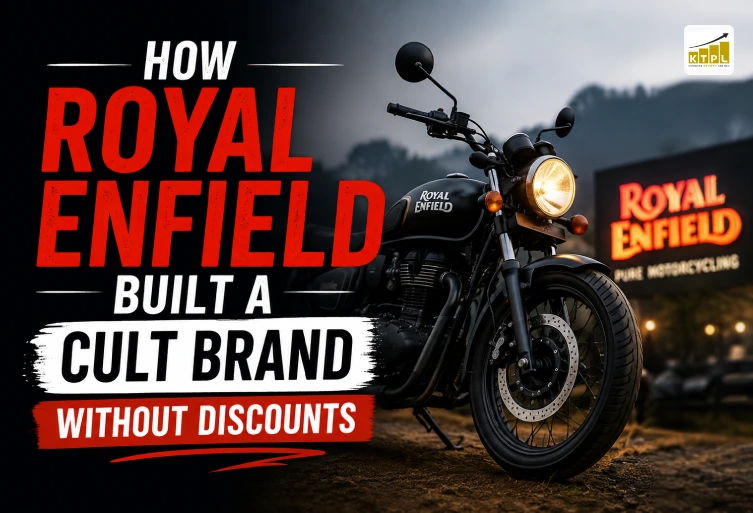
Royal Enfield is one of the few Indian motorcycle brands that has built a loyal customer base without relying on heavy discounts or promotional offers. Instead of competing on price, the company focused on creating a strong brand identity based on heritage, adventure, and premium ownership experiences. Today, owning a Royal Enfield is often seen as a lifestyle choice rather than simply purchasing a motorcycle. While many automobile brands attract customers with festive offers and cashback schemes, Royal Enfield has consistently emphasized quality, authenticity, and community. This strategy has helped the brand maintain its premium image, increase customer loyalty, and achieve strong resale value. In this case study, let’s explore how Royal Enfield built one of India’s most successful cult brands through smart branding instead of discounts.
The Legacy That Made Royal Enfield Different
Royal Enfield has a history that dates back to 1901, making it one of the oldest motorcycle brands in the world. Its long heritage has become one of its biggest strengths, giving customers confidence in the brand’s reliability and craftsmanship. In India, Royal Enfield earned its reputation by serving military and police forces before becoming a favorite among motorcycle enthusiasts. Unlike many competitors that constantly change their designs, Royal Enfield has preserved its classic styling while introducing modern technology. The iconic fuel tank, signature exhaust note, and timeless appearance make every motorcycle instantly recognizable. This consistency has helped the brand build trust across multiple generations of riders. Instead of marketing only technical specifications, Royal Enfield promotes adventure, freedom, and memorable journeys. This emotional positioning has transformed the motorcycle into a symbol of exploration rather than just transportation, helping the brand stand apart in the competitive automotive market.
Why Royal Enfield Never Relied on Discounts
Most automobile companies use discounts to increase sales, especially during festive seasons. Royal Enfield adopted a completely different approach by maintaining premium pricing and focusing on delivering long-term value. The company understood that frequent discounts could reduce the perceived value of its products and weaken its premium image. Customers buy Royal Enfield because of its heritage, riding experience, and emotional appeal rather than temporary price reductions. The brand has built enough trust that buyers are willing to pay the full price for the experience and identity associated with ownership. Another reason this strategy works is the brand’s excellent resale value. Royal Enfield motorcycles retain their market demand even after years of use, giving buyers confidence that their investment will continue to hold value. This reduces the importance of discounts during the purchase decision.
Selling a Lifestyle Instead of a Motorcycle
One of Royal Enfield’s biggest achievements is that it sells an experience rather than just a motorcycle. Its advertising focuses on road trips, mountain rides, exploration, and freedom instead of speed or fuel efficiency. This emotional storytelling encourages customers to imagine the adventures they can have while owning the motorcycle. The company has successfully positioned its motorcycles as companions for travel and self-discovery. Whether riding through Ladakh, Rajasthan, or the Western Ghats, Royal Enfield has become closely associated with long-distance touring and unforgettable experiences. By creating a lifestyle around its products, Royal Enfield has built a deeper emotional connection with customers. This strong brand identity makes buyers less sensitive to price and more interested in becoming part of the Royal Enfield community.
Heritage Marketing That Built Trust
Royal Enfield has used its rich history as one of its strongest marketing tools. Instead of constantly changing its identity, the company proudly highlights its legacy, craftsmanship, and timeless motorcycle designs. This consistent messaging helps customers trust the brand and view it as an authentic premium manufacturer. Even while introducing modern engineering and improved safety features, Royal Enfield has preserved the classic design language that customers love. This balance between tradition and innovation allows the company to attract younger riders without losing its loyal customer base. The company’s heritage-focused storytelling creates credibility that many newer brands struggle to achieve. Rather than relying on discounts, Royal Enfield allows its history and reputation to speak for the quality of its motorcycles.
Building a Strong Rider Community
One of the biggest reasons behind Royal Enfield’s success is its strong rider community. The company understood that loyal customers can become the best brand ambassadors. Instead of focusing only on selling motorcycles, it created opportunities for riders to connect through road trips, riding clubs, and community events. Popular events like Rider Mania and organized riding expeditions have helped thousands of Royal Enfield owners build friendships and share unforgettable experiences. These events strengthen the emotional bond between customers and the brand, making ownership more meaningful than simply buying a motorcycle. Social media has also played an important role in this strategy. Riders regularly share travel stories, photos, and reviews, creating free word-of-mouth marketing. This active community has helped Royal Enfield attract new customers without depending on expensive advertising or heavy discounts.
Premium Pricing That Increased Brand Value
Unlike many competitors, Royal Enfield has never positioned itself as a budget motorcycle brand. Instead, it has maintained premium pricing to reinforce the perception of quality, heritage, and reliability. Customers see the motorcycles as long-term investments rather than short-term purchases. The company continuously improves its products by introducing better engines, enhanced safety features, and improved riding comfort while keeping its classic identity intact. This commitment to quality justifies the premium pricing and strengthens customer confidence. Another major advantage is the excellent resale value of Royal Enfield motorcycles. Since demand for used models remains high, buyers feel more comfortable paying a premium price. This strong resale market further supports the brand’s strategy of avoiding frequent discount campaigns.
Consistent Product Positioning Across Generations
Royal Enfield has remained consistent in its brand positioning for decades. Whether it is the Classic 350, Bullet, Himalayan, Hunter, or Super Meteor, every motorcycle reflects the same values of heritage, adventure, and timeless design. This consistency makes the brand instantly recognizable. Instead of entering every motorcycle segment, Royal Enfield has focused on the premium mid-size motorcycle category. This clear focus has helped the company become a market leader while maintaining a strong brand identity. Its dealerships, riding gear, accessories, and customer experience also reflect the same premium image. Every customer interaction reinforces the feeling of joining an exclusive riding community rather than simply purchasing a motorcycle.
Marketing Campaigns That Strengthened the Brand
Royal Enfield’s marketing strategy is built around storytelling instead of sales promotions. Its advertisements showcase breathtaking landscapes, long-distance rides, and the joy of exploration rather than highlighting discounts or technical specifications. This approach inspires customers to dream about experiences instead of comparing prices. The company has also built a strong digital presence through YouTube, Instagram, and Facebook, where riders regularly share their travel experiences. This user-generated content acts as authentic promotion and increases trust among potential buyers. By focusing on emotions, adventure, and community, Royal Enfield has created a brand image that is difficult for competitors to copy. Its marketing consistently reinforces the idea that owning a Royal Enfield is about living a lifestyle, not just owning a motorcycle.
Business Lessons Every Indian Brand Can Learn from Royal Enfield
Royal Enfield’s journey offers valuable lessons for businesses of all sizes. The biggest takeaway is that a strong brand is built through trust, consistency, and customer experience—not through continuous discounts. Companies that focus on delivering real value are more likely to earn long-term customer loyalty than those competing only on price. Another important lesson is the power of emotional branding. Royal Enfield doesn’t just sell motorcycles; it sells freedom, adventure, and a sense of belonging. Businesses that create meaningful connections with their customers can build stronger relationships and encourage repeat purchases. The brand also proves that community building is a powerful marketing strategy. By organizing riding events, encouraging customer engagement, and maintaining a consistent brand identity, Royal Enfield has created loyal customers who naturally recommend the brand to others. This kind of word-of-mouth marketing is often more effective than paid advertising.
Why Royal Enfield Continues to Be a Cult Brand
Royal Enfield continues to grow because it has remained true to its core values. Instead of chasing short-term sales through discounts, the company has invested in quality products, memorable customer experiences, and authentic storytelling. This has helped it maintain a premium image while attracting new generations of riders. The brand has successfully balanced tradition with innovation by introducing modern technology without losing its classic appeal. Whether it’s a first-time buyer or an experienced rider, customers know they are purchasing a motorcycle with a rich legacy and a strong community behind it. Today, Royal Enfield is more than a motorcycle manufacturer—it is a lifestyle brand that represents adventure, confidence, and freedom. Its success proves that strong branding and customer loyalty can achieve long-term growth without relying on price-based competition.
Conclusion
Royal Enfield’s success story is a perfect example of how a brand can dominate its market without offering regular discounts. By focusing on heritage, premium quality, emotional marketing, and a passionate rider community, the company has built one of India’s strongest cult brands. Rather than competing on price, Royal Enfield competes on experience and identity. This strategy has helped the brand maintain customer trust, strong resale value, and long-term business growth. For businesses looking to build a lasting brand, the biggest lesson is clear: invest in customer experience, stay consistent, and create value that goes beyond the product itself.
FAQs
Have questions? We’ve answered some of the most common queries to help you understand the topic better.
Q1. Why is Royal Enfield called a cult brand?
Royal Enfield is called a cult brand because it has built a loyal community of riders who connect with its heritage, adventure-focused lifestyle, and premium ownership experience.
Q2. Does Royal Enfield offer regular discounts?
No. Royal Enfield generally avoids frequent discount campaigns and focuses on delivering premium value, strong brand identity, and long-term customer satisfaction.
Q3. What makes Royal Enfield's marketing strategy unique?
Its marketing focuses on storytelling, heritage, rider experiences, and community building instead of price-based promotions or technical comparisons.
Q4. What can businesses learn from Royal Enfield?
Businesses can learn the importance of strong branding, emotional marketing, customer engagement, consistent positioning, and creating long-term value instead of relying on discounts.
Q5. Why is Royal Enfield still popular today?
Royal Enfield remains popular because of its timeless design, trusted heritage, loyal rider community, premium quality, and ability to deliver an unforgettable riding experience.


