


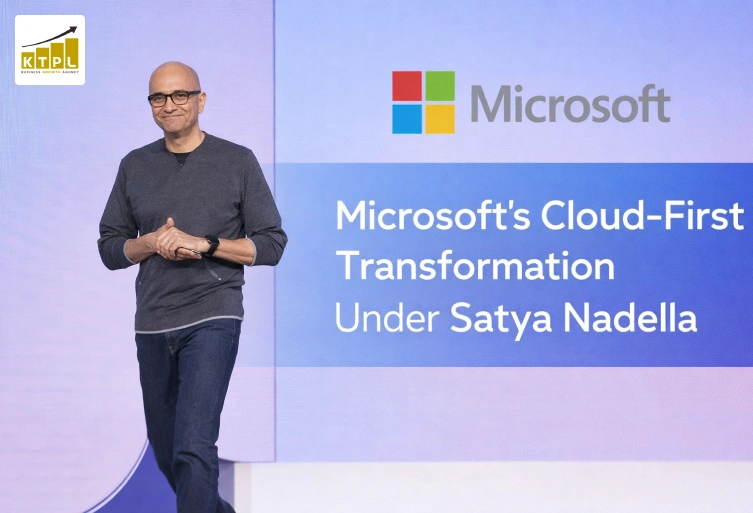
Over the past decade, the global technology industry has experienced dramatic changes driven by cloud computing, artificial intelligence, and digital platforms. Among the many corporate transformations that reshaped the industry, the evolution of Microsoft stands out as one of the most remarkable. Under the leadership of Satya Nadella, Microsoft successfully reinvented itself from a traditional software company into a cloud-driven global technology powerhouse.
When Microsoft appointed Nadella as CEO in 2014, the company was facing major strategic challenges. Although Microsoft remained profitable due to products like Windows and Office, the company was struggling to keep pace with rapidly evolving technologies such as cloud computing and mobile platforms. Competitors like Amazon and Google were quickly dominating cloud infrastructure and digital services.
To address these challenges, Nadella introduced a bold strategy focused on cloud computing, digital collaboration, and artificial intelligence. His vision was simple yet powerful: transform Microsoft into a “cloud-first, mobile-first” company capable of supporting the future of global digital infrastructure.
Today, Microsoft’s transformation is widely regarded as one of the most successful corporate reinventions in modern business history. This blog explores how Microsoft evolved under Satya Nadella’s leadership, how cloud computing reshaped its business model, and what lessons businesses can learn from this transformation.
Microsoft’s Position Before the Transformation
Before 2014, Microsoft was primarily known for its dominance in personal computing software. Products like Windows operating systems and Microsoft Office were used by millions of individuals and businesses around the world.
For decades, Microsoft’s traditional business model relied on selling licensed software for desktop computers. This approach worked extremely well during the personal computing boom of the 1990s and early 2000s.
However, the technology landscape began shifting dramatically in the early 2010s.
- Rapid growth of smartphones and mobile apps
- Expansion of cloud computing platforms
- Increasing demand for digital collaboration tools
- Growing influence of open-source software
During this time, Amazon Web Services emerged as a dominant player in cloud computing infrastructure, while Google expanded its digital ecosystem through services like Google Cloud and Android.
Microsoft realized that it needed a strategic shift to remain competitive in this new digital era.
Satya Nadella’s Vision for Microsoft
When Satya Nadella became CEO in 2014, he brought a new perspective shaped by his experience leading Microsoft’s cloud and enterprise division.
Unlike previous strategies focused mainly on software products, Nadella emphasized the importance of cloud platforms, artificial intelligence, and enterprise solutions.
- Cloud-first innovation
- Customer-centric technology
- A culture of continuous learning
By transforming Microsoft’s internal culture, Nadella created an environment where teams could focus on building next-generation digital solutions.
The Cloud-First Strategy
The most important pillar of Microsoft’s transformation was the shift toward cloud computing.
Instead of focusing only on desktop software, Microsoft began building a global cloud infrastructure capable of powering digital businesses, startups, enterprises, and government organizations.
The centerpiece of this strategy became Microsoft Azure, a cloud computing platform that allows organizations to build, deploy, and manage applications through Microsoft’s global network of data centers.
- Cloud storage solutions
- Virtual computing environments
- Machine learning tools
- Artificial intelligence platforms
- Data analytics services
- Internet of Things infrastructure
Azure quickly became one of Microsoft’s fastest-growing business segments, generating billions of dollars in revenue and competing directly with Amazon Web Services and Google Cloud.

Transforming Office Into a Cloud Service
Another critical component of Microsoft’s transformation was converting its flagship productivity software into cloud-based services.
For decades, Microsoft Office had been sold as a one-time licensed software package installed on computers.
Under Nadella’s strategy, Microsoft introduced a subscription-based cloud platform called Microsoft 365. This allowed users to access applications like Word, Excel, PowerPoint, and Outlook from anywhere using the internet.
- Continuous software updates
- Cloud storage and file synchronization
- Real-time collaboration between teams
- Integration with business applications
Today, millions of businesses rely on Microsoft 365 as their primary productivity platform.
Microsoft’s Embrace of Open Source
Historically, Microsoft was known for its competitive stance against open-source technologies. However, Nadella changed this perception by adopting a more collaborative approach.
One of the most significant milestones was Microsoft’s acquisition of GitHub, the world’s largest platform for software developers.
GitHub hosts millions of open-source projects and allows developers to collaborate globally on software development.
By integrating GitHub into its ecosystem, Microsoft strengthened its relationship with the global developer community.
Microsoft also expanded support for Linux and other open-source technologies within Azure. This allowed developers to build and deploy applications using their preferred tools while still benefiting from Microsoft’s cloud infrastructure.
This strategic openness helped Microsoft rebuild its reputation and attract developers worldwide.
Strategic Acquisitions That Accelerated Growth
During Nadella’s tenure, Microsoft made several strategic acquisitions to expand its ecosystem and strengthen its technological capabilities.
- LinkedIn – Enhancing professional networking and enterprise data solutions
- GitHub – Expanding developer collaboration and open-source ecosystems
- Nuance Communications – Advancing AI technologies for healthcare and enterprise solutions
- Activision Blizzard – Strengthening Microsoft’s gaming and entertainment platforms
Artificial Intelligence as the Next Growth Engine
After establishing a strong cloud foundation, Microsoft expanded its focus toward artificial intelligence.
AI technologies are now deeply integrated into Microsoft’s ecosystem. AI tools power many services across Microsoft’s cloud infrastructure, business applications, and developer platforms.
One of Microsoft’s most notable collaborations is its partnership with OpenAI, which helped integrate advanced AI models into Microsoft products.
- Developer platforms
- Business analytics tools
- Cloud automation services
- productivity software
Cultural Transformation Inside Microsoft
Technology innovation alone could not transform Microsoft. Nadella also focused heavily on reshaping the company’s culture.
Before his leadership, Microsoft had been criticized for internal competition between departments, which slowed innovation.
Nadella promoted a culture built on collaboration, empathy, and shared learning.
- Encouraging teamwork across product divisions
- Promoting diversity and inclusion
- Supporting employee learning programs
- Fostering innovation and experimentation
Financial Growth and Market Impact
The results of Microsoft’s transformation have been extraordinary.
Since Nadella became CEO, Microsoft has experienced massive growth in both revenue and market value.
- Rapid growth of Azure cloud services
- Expansion of enterprise software solutions
- Increased adoption of Microsoft 365 globally
- Strong growth in artificial intelligence technologies
The company’s cloud-focused business model now drives the majority of its revenue growth.

Microsoft’s Cloud Expansion in India
India has become one of Microsoft’s most important technology markets.
The company has invested heavily in cloud data centers, AI research initiatives, and digital training programs across the country.
These initiatives support startups, enterprises, and government organizations working on digital transformation projects.
Microsoft has also partnered with educational institutions and technology organizations to train millions of professionals in cloud computing and artificial intelligence.
This expansion demonstrates Microsoft’s commitment to strengthening the global digital ecosystem.
Key Business Lessons From Microsoft’s Transformation
Microsoft’s journey under Satya Nadella provides valuable lessons for businesses across industries.
1. Adapt to Technology Shifts
Companies must continuously monitor industry trends and adapt to emerging technologies before competitors dominate the market.
2. Build Scalable Digital Platforms
Cloud platforms allow businesses to scale operations quickly while supporting innovation and digital services.
3. Focus on Customer Needs
Successful technology companies prioritize customer value and user experience when designing products.
4. Invest in Innovation
Long-term investments in research, artificial intelligence, and cloud infrastructure can drive sustainable growth.
5. Create a Strong Organizational Culture
An innovative culture encourages creativity, collaboration, and long-term problem solving.
The Future of Microsoft
- Artificial intelligence
- advanced cloud computing
- quantum computing research
- cybersecurity platforms
- enterprise automation tools
The company’s cloud-first strategy is now evolving into an AI-first future, where intelligent software systems will help businesses operate more efficiently and make smarter decisions.
Conclusion
Microsoft’s transformation under Satya Nadella is a powerful example of how visionary leadership, technological innovation, and cultural change can redefine a company’s future.
By embracing cloud computing, artificial intelligence, and open collaboration, Microsoft successfully reinvented itself for the digital age.
Today, Microsoft is no longer just a software company—it is a global technology platform powering businesses, governments, and digital services around the world.
As cloud computing and artificial intelligence continue to reshape industries, Microsoft’s transformation will remain a defining case study in modern business leadership and innovation.
FAQs
Have questions? We’ve answered some of the most common queries to help you understand the topic better
Q1. What is Microsoft’s cloud-first strategy?
Microsoft’s cloud-first strategy focuses on delivering software, data storage, and computing services through cloud platforms like Microsoft Azure instead of traditional on-device software.
Q2. Who led Microsoft’s major transformation?
Microsoft’s transformation was led by Satya Nadella, who became CEO in 2014 and introduced a cloud-focused business strategy.
Q3. Why is Microsoft Azure important?
Microsoft Azure is the company’s cloud computing platform that enables businesses to build applications, store data, and deploy digital services globally.
Q4. How did Microsoft change its business model?
Microsoft shifted from selling licensed software to offering subscription-based cloud services such as Microsoft 365 and Azure.
Q5. What role does artificial intelligence play in Microsoft’s future?
Artificial intelligence is becoming a major part of Microsoft’s ecosystem, powering automation, analytics, and intelligent software solutions across cloud platforms.
Want To Grow Your Business - Connect With KTPL
KTPL – Business Growth Agency, a creative solutions and business growth agency from India.
👉 Visit https://kirnanitechnologies.com
📞 Call us at +91 95093 33000
📧 Email us at contact@kirnanitechnologies.com


