



Introduction
The Ring Doorbell Case Study is one of the most powerful startup stories that shows how persistence and smart execution can transform a simple idea into a billion-dollar company. In today’s competitive business world, many startups fail due to lack of direction, funding, or product-market fit. However, Ring managed to overcome all these challenges and build a strong global presence.
From being rejected on Shark Tank to becoming a major acquisition for Amazon, the journey is full of lessons. This case study is not just about a product but about mindset, branding, and long-term strategy.
If you are an entrepreneur, marketer, or business owner, this detailed guide will help you understand how to build, scale, and position a successful brand in a competitive market.
The Beginning: How Ring Started
The origin of Ring is rooted in solving a very common yet overlooked problem faced by many homeowners. Jamie Siminoff, an entrepreneur with a passion for innovation, noticed that he often missed visitors because he couldn’t hear his doorbell while working. This frustration led him to think of a smarter solution.
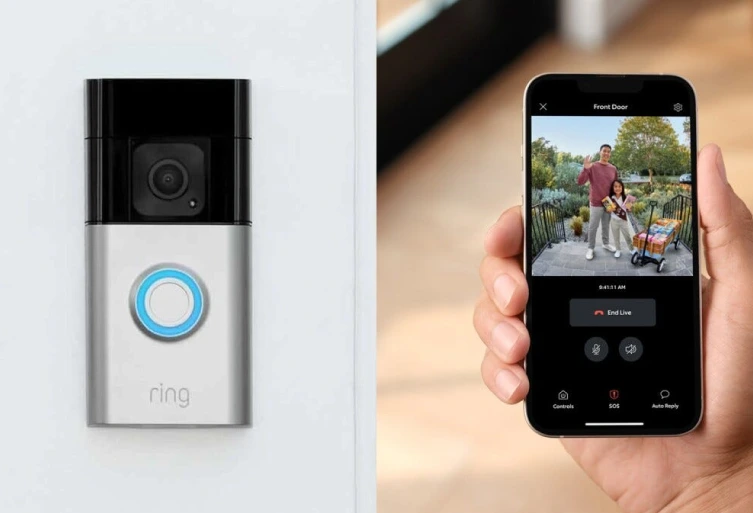
He created a Wi-Fi-enabled video doorbell that allowed users to see, hear, and talk to visitors through their smartphones. Initially, the product was called DoorBot, and it focused on convenience and security. Even though the idea was simple, it had strong real-world applicability, which later became the foundation of its success.
Early Challenges
Like every startup, Ring faced multiple challenges in its early days that could have easily led to failure. The biggest hurdle was limited funding, which made it difficult to scale production and marketing efforts. Additionally, since smart home technology was still new, many customers were skeptical about adopting such devices.
Another major issue was hardware development, which required significant investment and technical expertise. Manufacturing costs, supply chain management, and product reliability were constant concerns. Despite these obstacles, Jamie remained focused on improving the product and delivering value to customers, which played a crucial role in the company’s survival.
The Shark Tank Moment: A Turning Point
In 2013, Jamie Siminoff appeared on Shark Tank to pitch DoorBot and seek investment. He asked for $700,000 in exchange for 10% equity, valuing the company at $7 million. While the product impressed the investors, none of them agreed to invest in the business.
This moment is often seen as a failure, but in reality, it became a turning point for the company. The exposure from the show introduced the product to millions of viewers, creating awareness and curiosity. This unexpected visibility later helped Ring gain traction and boost sales significantly.
Why Ring Was Rejected
The investors on Shark Tank had several concerns about the business model and future potential of DoorBot. One of the main issues was the high valuation, which seemed unrealistic at that stage. Additionally, hardware startups are often considered risky due to high production costs and operational challenges.
Kevin O’Leary offered a loan-based deal, but Jamie declined it as it didn’t align with his vision. The Sharks were also unsure about scalability and long-term profitability. However, these concerns did not stop Jamie from moving forward and improving his business strategy.

Post-Shark Tank Growth: Turning Rejection into Opportunity
After the episode aired, Ring experienced a massive surge in attention and demand. The Ring Doorbell Case Study highlights how visibility can sometimes be more valuable than funding, especially in the early stages of a startup.
Customers who watched the show became interested in the product and started placing orders. This led to a significant increase in revenue and brand awareness. Instead of focusing on rejection, Jamie leveraged this opportunity to strengthen his business and reach a wider audience.
What Changed After the Show
The biggest change after Shark Tank was the sudden increase in traffic and sales. Ring’s website received thousands of visitors, and the product quickly gained popularity among homeowners. This also helped build trust, as people saw the product being featured on a national platform.
Additionally, the company started receiving more attention from investors and partners. This opened new doors for funding and collaborations. Jamie used this momentum to refine the brand and prepare for long-term growth, which proved to be a smart strategic move.
Rebranding Strategy: DoorBot to Ring
Rebranding played a crucial role in the success of the company. The name DoorBot was functional but lacked emotional appeal and brand recall. To create a stronger identity, the company rebranded itself as Ring.
The new name was simple, memorable, and directly connected to the product’s purpose. It also allowed the company to expand beyond doorbells and build a broader home security brand. This strategic move improved marketing effectiveness and helped the brand stand out in a competitive market.
Product Expansion: Building an Ecosystem
Ring’s growth was not limited to a single product. The company expanded its offerings to create a complete home security ecosystem. This included cameras, alarm systems, and smart lighting solutions that worked together seamlessly.
By doing this, Ring increased its value proposition and encouraged customers to stay within its ecosystem. This strategy not only boosted sales but also improved customer retention. It transformed Ring from a product-based company into a comprehensive security solution provider.
Funding Journey: Investors Who Believed
After the Shark Tank rejection, Ring continued to attract investors who believed in its vision and potential. One of the most notable supporters was Richard Branson from the Virgin Group.
With multiple funding rounds, the company was able to scale its operations, improve product quality, and expand its market reach. This phase highlights the importance of persistence and the ability to find the right investors who align with your goals.
Business Model: How Ring Made Money
The Ring Doorbell Case Study showcases a highly effective hybrid business model that combines hardware sales with subscription-based services. This approach ensured both immediate revenue and long-term financial stability.
Ring generated income through product sales, but its real strength came from recurring revenue through subscription plans. Customers paid for cloud storage, video recording, and advanced features, which created a steady income stream for the company.
Marketing Strategy: The Real Growth Engine
Marketing played a major role in Ring’s success. Instead of focusing only on technical features, the company emphasized emotional benefits such as safety and peace of mind. This approach helped create a strong connection with customers.
Ring also used real-life footage and customer stories to build trust and credibility. Social media and digital platforms were leveraged effectively to reach a wider audience. This combination of emotional storytelling and smart marketing strategies drove massive growth.
Amazon Acquisition: The Billion-Dollar Exit
In 2018, Amazon acquired Ring for over $1 billion. This acquisition marked a significant milestone in the company’s journey and validated its business model.
Amazon saw Ring as a strategic fit for its smart home ecosystem. By integrating Ring with Alexa and other devices, Amazon strengthened its position in the home automation market. This deal also helped Ring expand globally and reach millions of new customers.
Challenges Ring Faced
Despite its success, Ring faced several challenges along the way. These included hardware production issues, privacy concerns, and increasing competition in the market. Managing customer trust was also a critical factor for the company.
Ring addressed these challenges by continuously improving its products, enhancing security features, and maintaining transparency with users. This proactive approach helped the company maintain its reputation and sustain growth over time.
Key Takeaways from Ring Doorbell Case Study
The Ring Doorbell Case Study provides valuable lessons for entrepreneurs and businesses. One of the biggest takeaways is the importance of solving real problems instead of chasing trends. Another key lesson is that rejection does not define success.
Building a strong brand, focusing on customer needs, and creating scalable systems are essential for long-term growth. Additionally, adopting a recurring revenue model can provide financial stability and sustainability.
How You Can Apply These Lessons
Businesses like KTPL- Business Growth Agency can apply these insights to improve their strategies and achieve better results. Focusing on customer-centric solutions, storytelling, and branding can significantly enhance growth potential.
By implementing scalable systems and offering value-driven services, businesses can build strong relationships with their clients. Consistency, innovation, and strategic planning are the key factors that drive success in any industry.
Conclusion
The journey from a rejected pitch on Shark Tank to a billion-dollar acquisition by Amazon makes this one of the most inspiring startup stories.
The Ring Doorbell Case Study proves that persistence, innovation, and smart decision-making can lead to extraordinary success. Every entrepreneur can learn from this journey and apply these lessons to build a strong and scalable business.
FAQs
Have questions? We’ve answered some of the most common queries to help you understand the topic better
Q1. What is the Ring Doorbell Case Study?
The Ring Doorbell Case Study explains how a rejected startup transformed into a billion-dollar company through innovation and persistence.
Q2. Who founded Ring?
Ring was founded by Jamie Siminoff.
Q3. Why was Ring rejected on Shark Tank?
The investors were concerned about valuation, scalability, and risks associated with hardware startups.
Q4. How did Ring become successful?
Through strong branding, effective marketing, and continuous product innovation.
Q5. Why did Amazon acquire Ring?
Amazon wanted to expand its smart home ecosystem and strengthen its security offerings.
Want To Grow Your Business - Connect With KTPL
KTPL – Business Growth Agency, a creative solutions and business growth agency from India.
👉 Visit https://kirnanitechnologies.com
📞 Call us at +91 95093 33000
📧 Email us at contact@kirnanitechnologies.com


