


Introduction
The story of Breathometer is one of the most talked-about startup failures in modern entrepreneurial history. While many companies that appear on Shark Tank experience tremendous growth after receiving investment, Breathometer followed a very different path. The company entered the show with a promising product, secured one of the rarest investment deals in Shark Tank history, and gained national attention almost overnight. For a brief period, it appeared that the startup was destined to become a major success story.
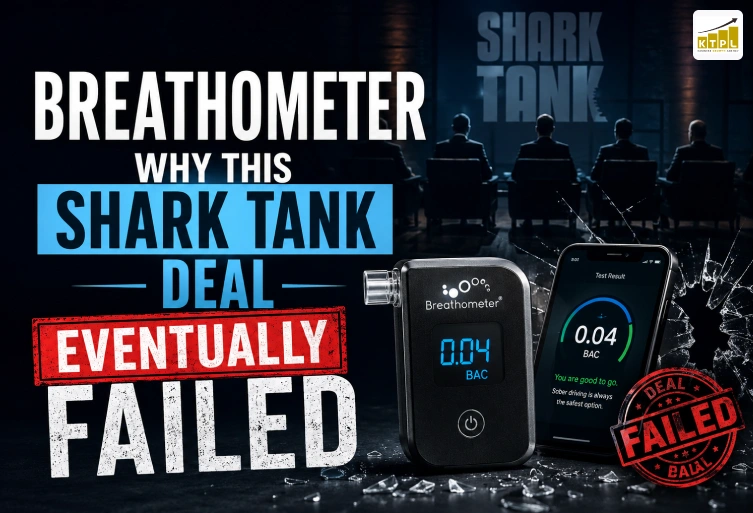
Breathometer attracted consumers because it addressed a real-world problem. The company developed a smartphone-connected breathalyzer designed to help people estimate their Blood Alcohol Content (BAC) before deciding whether they were safe to drive. The concept was innovative, easy to understand, and highly appealing to investors looking for scalable technology businesses. However, despite strong funding, media exposure, and support from high-profile investors, the company eventually collapsed.
The failure of Breathometer offers valuable lessons about product validation, regulatory compliance, investor expectations, and startup management. Understanding why this famous Shark Tank Deal failed can help entrepreneurs avoid similar mistakes and build stronger businesses in the future.
What Was Breathometer?
Breathometer was a technology startup founded by Charles Michael Yim with the goal of making alcohol testing more accessible to everyday consumers. The company created a compact breathalyzer device that connected directly to smartphones and provided BAC readings through a dedicated mobile application. The product was marketed as an easy and convenient way for individuals to determine whether they were safe to drive after consuming alcohol.
At the time of its launch, smartphone technology was rapidly expanding into health, fitness, and lifestyle sectors. Breathometer positioned itself perfectly within this trend by combining personal safety with mobile technology. Consumers were attracted to the convenience of carrying a small device that could provide alcohol measurements without requiring expensive professional equipment.
The startup quickly gained attention from both customers and investors because it appeared to solve a serious public safety issue. Drunk driving remains a major concern worldwide, and Breathometer promised to provide a practical solution that could help reduce risky decisions. This strong value proposition helped the company generate significant momentum before its Shark Tank appearance.
The Historic Shark Tank Deal
Breathometer’s appearance on Shark Tank became one of the most memorable moments in the show’s history. Founder Charles Michael Yim confidently presented the product, explained its potential market opportunity, and demonstrated how the technology could improve public safety. The pitch impressed the Sharks because it combined innovation, social impact, and strong commercial potential.
What made the episode extraordinary was the response from the investors. All five Sharks decided to invest in the company, something that happens very rarely on the show. The deal generated enormous publicity and instantly elevated Breathometer’s profile across the startup ecosystem. Many viewers interpreted the unanimous support as a sign that the company had a bright future ahead.
The investment was valued at approximately $1 million and included support from several highly successful entrepreneurs. The exposure from the show significantly increased public awareness of Breathometer and helped drive additional interest in the product. For many startup founders, securing a Shark Tank Deal represents a major achievement, and Breathometer appeared to have achieved the ultimate version of that dream.
Why Investors Were Excited About Breathometer
There were several reasons why investors believed Breathometer had the potential to become a highly successful business. First, the company addressed a widespread problem that affects millions of people every year. Products that solve meaningful real-world challenges often have a strong chance of gaining widespread adoption and generating sustainable revenue.
Second, the breathalyzer market itself offered considerable growth opportunities. Traditional breathalyzers were often expensive, bulky, and difficult for average consumers to access. Breathometer aimed to make the technology affordable, portable, and user-friendly. This combination created an attractive business model that appeared capable of reaching a large customer base.
Another factor that attracted investors was the increasing popularity of connected devices. The rise of smartphones created opportunities for companies to develop products that integrated hardware and software into a seamless user experience. Breathometer seemed well-positioned to capitalize on this trend and become a leader in the emerging smart-device market.
The Product Accuracy Problem
Despite its promising start, Breathometer soon encountered a challenge that would ultimately become the primary reason for its downfall. Concerns began to emerge regarding the accuracy of the device’s BAC readings. Since the product was designed to help users make important decisions about driving, accuracy was not simply a desirable feature—it was an essential requirement.
Customers relied on the device to determine whether they were legally and safely able to operate a vehicle. If the readings were inaccurate, users could potentially place themselves and others in dangerous situations. This raised serious concerns about the reliability of the technology and whether the company had adequately validated its claims before bringing the product to market.
As more questions surfaced about performance consistency, confidence in the product began to decline. In industries involving health, safety, or legal compliance, trust is often the most valuable asset a company possesses. Once consumers started questioning the accuracy of Breathometer’s readings, rebuilding credibility became increasingly difficult.
FTC Investigation and Regulatory Action
The concerns surrounding Breathometer eventually attracted the attention of the Federal Trade Commission (FTC), which launched an investigation into the company’s marketing claims. Regulatory agencies take consumer protection very seriously, particularly when products make promises related to safety and health. The investigation focused on whether Breathometer had sufficient evidence to support its advertised accuracy claims.
The FTC concluded that the company had not adequately substantiated certain statements regarding the reliability of its BAC measurements. As a result, Breathometer entered into a settlement agreement that required significant corrective actions. These actions included notifying customers, discontinuing the affected product, and providing refunds to consumers who had purchased the device.
The regulatory action created severe financial pressure for the company. Issuing refunds to customers reduced available capital, while the negative publicity damaged the brand’s reputation. For a startup that relied heavily on investor confidence and consumer trust, the consequences were devastating. The FTC settlement marked a major turning point in the company’s decline.
Financial Challenges and Management Concerns
In addition to regulatory difficulties, Breathometer also faced internal challenges related to financial management and business execution. As the company attempted to address product issues and maintain operations, concerns emerged regarding how resources were being allocated. Investors reportedly became frustrated with the pace of progress and the company’s inability to resolve critical problems effectively.
Managing startup capital requires careful planning, particularly when a company is developing technology products that require continuous improvement. Every funding decision must contribute toward product quality, customer satisfaction, and long-term growth. When resources are not utilized strategically, even well-funded startups can encounter serious operational difficulties.
The combination of product setbacks, refund obligations, and increasing operational costs placed substantial strain on the business. As financial pressures mounted, the company’s ability to recover became increasingly limited. These challenges further weakened investor confidence and reduced the likelihood of a successful turnaround.
Mark Cuban's Criticism of Breathometer
Among the investors involved in the Shark Tank Deal, Mark Cuban became one of the most vocal critics of what transpired after the investment. Cuban later described Breathometer as one of the worst investments associated with the show, highlighting his disappointment with how the company was managed following its rapid rise to prominence.
According to various reports and interviews, Cuban expressed concerns about execution, leadership decisions, and the company’s overall direction. He emphasized that having a great idea is not enough to build a successful business. Founders must also demonstrate discipline, accountability, and the ability to deliver products that consistently meet customer expectations.
His criticism reinforced an important lesson for entrepreneurs. Investors often provide capital, mentorship, and strategic guidance, but ultimate responsibility for execution remains with the leadership team. Even a highly publicized Shark Tank Deal cannot guarantee success if operational challenges are not addressed effectively.
The Failed Pivot to Mint
After the breathalyzer business encountered significant difficulties, Breathometer attempted to reinvent itself through a new product called Mint. Unlike the original device, Mint focused on oral health and aimed to help users monitor dental hygiene through smartphone-connected technology. The company hoped that this pivot would create a new revenue stream and allow it to move beyond the controversy surrounding its original product.
Business pivots are common in the startup world, and many successful companies have transformed themselves by entering new markets. However, successful pivots require strong execution, clear market demand, and sufficient resources to support development. Unfortunately, Breathometer faced challenges in all three areas.
The transition to Mint failed to generate the level of adoption necessary to revive the company. Consumers continued to associate the brand with the breathalyzer controversy, and the new product struggled to establish a compelling competitive advantage. Without significant traction, the pivot was unable to reverse the company’s decline.
Key Lessons Entrepreneurs Can Learn
The Breathometer story provides several valuable lessons for startup founders and business owners. The first lesson is the importance of product validation. Before making bold marketing claims, companies must thoroughly test their products and ensure that performance matches expectations. Failure to do so can create legal, financial, and reputational risks.
Another lesson involves regulatory compliance. Businesses operating in industries related to health, safety, or consumer protection must understand applicable regulations and maintain rigorous standards. Ignoring these requirements can lead to investigations, penalties, and long-term damage to brand credibility.
Entrepreneurs can also learn the importance of transparency and accountability. Investors and customers expect companies to address problems honestly and proactively. Organizations that respond quickly to challenges often have a better chance of maintaining trust and preserving their reputation.
Why Breathometer Remains a Famous Shark Tank Failure
Years after its collapse, Breathometer continues to be discussed as one of the most significant Shark Tank failures ever. The company serves as a reminder that media attention, investor support, and innovative ideas do not automatically translate into long-term success. Sustainable growth requires consistent execution, reliable products, and strong leadership.
The startup’s downfall remains particularly memorable because expectations were so high. Few companies receive unanimous support from all five Sharks, making the eventual outcome even more surprising. The contrast between the initial excitement and the final result has made Breathometer a frequently referenced case study in entrepreneurship discussions.
Today, many business experts use the story to illustrate the importance of balancing innovation with accountability. While disruptive ideas can attract investment, companies must ultimately deliver products that meet customer needs and withstand regulatory scrutiny.
Conclusion
The rise and fall of Breathometer demonstrates how quickly a promising startup can unravel when critical issues are not addressed effectively. The company entered Shark Tank with a compelling product, secured a historic Shark Tank Deal, and gained widespread recognition. However, concerns regarding product accuracy, regulatory intervention, financial challenges, and an unsuccessful pivot ultimately led to its downfall.
For entrepreneurs, the story offers a powerful reminder that success depends on much more than funding and publicity. Product quality, compliance, leadership, and customer trust are essential foundations for sustainable growth. Breathometer’s experience serves as both a warning and a learning opportunity for startups seeking to build lasting businesses in competitive markets.
FAQs
Have questions? We’ve answered some of the most common queries to help you understand the topic better
Q1. Why did Breathometer fail?
Breathometer failed primarily because its breathalyzer device produced inaccurate BAC readings, leading to regulatory action, customer refunds, and loss of consumer trust.
Q2. What was the Breathometer Shark Tank Deal?
Breathometer secured a rare investment from all five Sharks, making it one of the most notable Shark Tank Deal moments in the show’s history.
Q3. Who founded Breathometer?
Breathometer was founded by Charles Michael Yim, who presented the company on Shark Tank and secured investment from all five investors.
Q4. What happened after the FTC investigation?
The company was required to notify customers, stop certain marketing claims, provide refunds, and discontinue the affected product.
Q5. Is Breathometer still in business?
No, Breathometer’s original business ultimately collapsed after regulatory challenges, product issues, and a failed pivot to a new product called Mint.
Want To Grow Your Business - Connect With KTPL
KTPL – Business Growth Agency, a creative solutions and business growth agency from India.
👉 Visit https://kirnanitechnologies.com
📞 Call us at +91 95093 33000
📧 Email us at contact@kirnanitechnologies.com


