


Introduction: The Reality Behind Shark Tank Decisions
The show Shark Tank is known for turning unknown startups into nationally recognized brands overnight. Entrepreneurs enter the tank hoping to secure funding, mentorship, and credibility. However, not every pitch receives applause—many are rejected, criticized, or considered “bad deals” by the Sharks.
What makes Shark Tank fascinating is that it doesn’t always predict real-world success accurately. Some deals that seem weak, overpriced, or even risky at the time of pitching go on to achieve massive success outside the show. This gap between perception and reality highlights one important truth—business success cannot always be judged in a 10-minute pitch.
In this blog, we explore those surprising Shark Tank deals that looked like mistakes but later became huge wins. These stories are not just inspiring but also packed with valuable lessons for entrepreneurs, startups, and anyone interested in business growth.
Why Some Shark Tank Deals Look Like Bad Investments
During a Shark Tank pitch, investors evaluate startups based on numbers, scalability, and risk. If any of these elements appear weak, the deal is quickly labeled as unattractive. High valuation is one of the most common reasons—when founders ask for more money than their business seems worth, Sharks often step back.
Another major factor is lack of proven revenue. Many early-stage startups enter the show with great ideas but limited sales. This creates doubt about market demand and long-term sustainability. Sharks prefer businesses with traction, and without it, even a strong idea can be rejected.
Presentation also plays a critical role. A nervous founder or unclear pitch can damage the perception of a business. Even if the product is strong, poor communication can make the deal look bad. This shows how important storytelling and confidence are in entrepreneurship.
However, these judgments are based on limited data and time. Real-world success depends on multiple factors like customer behavior, branding, and execution, which evolve over time.
Ring: The Billion-Dollar Rejection Story
One of the most iconic Shark Tank stories is Ring, a smart home security company. When the founder pitched the product, he asked for a high valuation but struggled to convince the Sharks about its scalability. As a result, he left the show without a deal.
At that moment, the idea seemed niche and risky. The Sharks were unsure whether consumers would invest in smart doorbells and security systems. It looked like a missed opportunity—or even a bad bet.
However, the founder continued to refine the product, improve marketing, and expand distribution. Over time, Ring gained massive popularity and trust among homeowners. Eventually, it was acquired by Amazon for over $1 billion.
This story proves that rejection does not define a business. With persistence, innovation, and the right timing, even a rejected idea can become a billion-dollar success.
Coffee Meets Bagel: Saying No to a Huge Deal
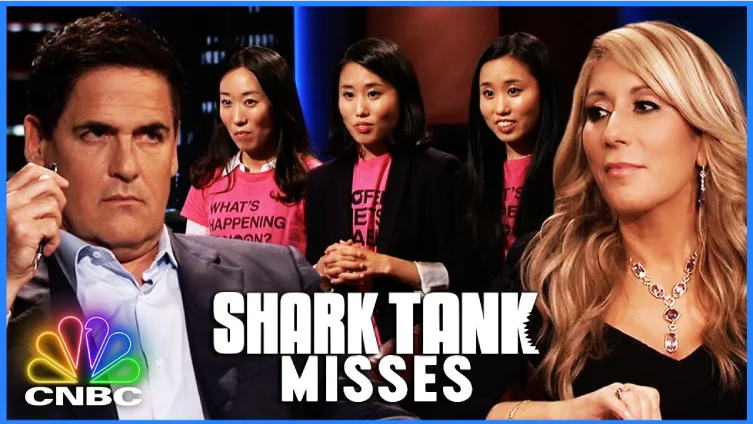
Coffee Meets Bagel is another powerful example of a deal that looked questionable at first. The founders were offered a massive $30 million deal on Shark Tank but chose to reject it. This decision surprised both the Sharks and viewers.
At the time, the dating app market was already crowded, and competition was intense. Many believed the founders made a risky decision by walking away from such a large offer. It appeared to be a bad move.
However, the company stayed true to its vision and focused on building a meaningful user experience. Instead of rapid expansion, they prioritized quality matches and user satisfaction. Over time, this strategy paid off.
Today, Coffee Meets Bagel is a well-known brand in the online dating industry. This story highlights the importance of long-term vision over short-term gains.
Kodiak Cakes: From Rejection to Retail Success
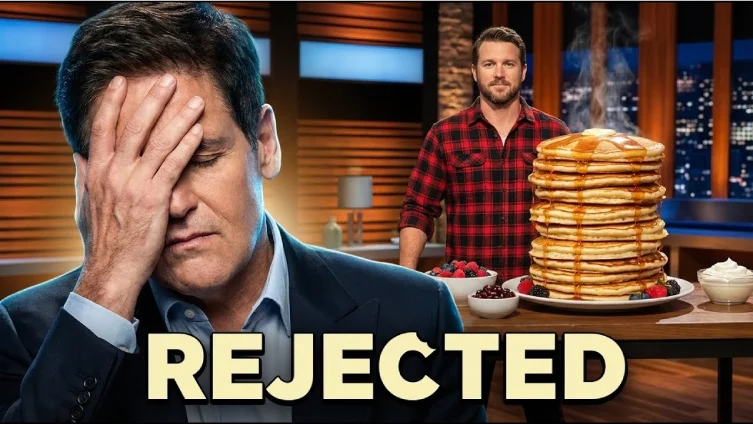
Kodiak Cakes, a protein-rich breakfast brand, failed to impress the Sharks during its pitch. The business lacked strong numbers at the time, and investors doubted its ability to compete in a crowded food market.
The idea of healthier pancake mixes did not seem revolutionary enough to secure a deal. It looked like a small business with limited growth potential.
However, the founder remained committed to the brand and focused on expanding retail presence. Over time, the product gained popularity among health-conscious consumers. Strategic partnerships and strong branding helped the company grow significantly.
Today, Kodiak Cakes is available in major retail stores and generates millions in revenue annually. This proves that consistent effort and market positioning can turn a rejected idea into a thriving business.
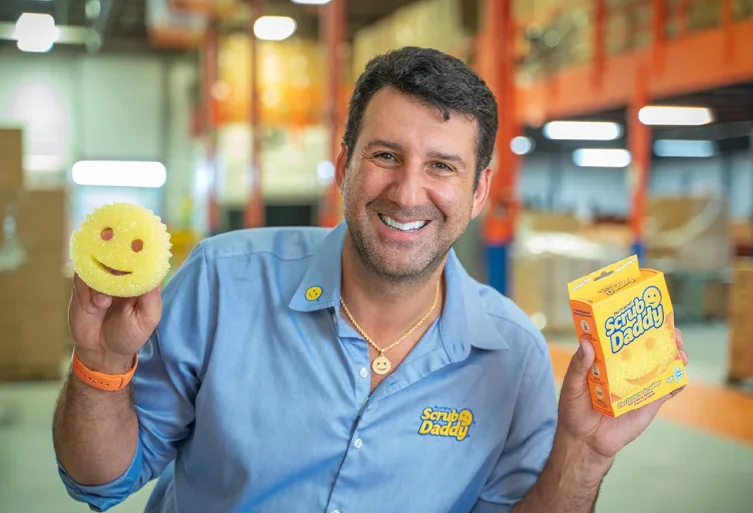
Scrub Daddy: A Simple Idea That Became a Giant
Scrub Daddy is one of the biggest success stories from Shark Tank. At first glance, the product—a smiley-faced sponge—looked simple and easy to replicate. Many people underestimated its potential.
However, the product had a unique feature: it changes texture based on water temperature. This innovation, combined with strong branding, made it stand out in the market.
With the support of a Shark investor, Scrub Daddy quickly gained traction. Its viral marketing and customer satisfaction drove massive sales growth.
Today, Scrub Daddy is one of the highest-grossing products in Shark Tank history. This story shows that even simple ideas can achieve extraordinary success when backed by smart execution.

The Bouqs Company: From Rejection to Market Leader
The Bouqs Company, an online flower delivery business, also faced rejection on Shark Tank. The Sharks were concerned about logistics, margins, and operational complexity.
At that time, the business model seemed difficult to scale. The founders struggled to address these concerns effectively, leading to no deal.
However, after the show, the company improved its supply chain and focused on direct sourcing from farmers. This approach reduced costs and improved product quality.
With better strategy and execution, The Bouqs Company grew rapidly and became a strong competitor in the flower delivery market. It later attracted investments from other sources and expanded its reach.
Common Patterns Behind These Success Stories
When we analyze these “bad-looking deals,” certain patterns emerge. First, all these businesses had strong founders who believed in their vision. They didn’t let rejection stop them from moving forward.
Second, these companies adapted over time. They improved their products, refined their strategies, and responded to market feedback. This flexibility played a crucial role in their success.
Third, branding and customer experience were key factors. Successful businesses focused on building trust and emotional connection with customers, which helped them stand out in competitive markets.
Lessons for Entrepreneurs and Startups
These Shark Tank stories offer valuable lessons for anyone starting a business. The first lesson is simple—rejection is not failure. Many successful entrepreneurs faced rejection before achieving success.
The second lesson is the importance of persistence. Building a business takes time, effort, and patience. Quick results are rare, and long-term success requires consistency.
Another important takeaway is the value of understanding your market. Businesses that listen to customers and adapt to their needs are more likely to succeed.
Finally, entrepreneurs should focus on execution rather than just ideas. A great idea without proper execution will not succeed, but a simple idea with strong execution can become a massive success.
Why Shark Tank Isn’t Always the Final Judgment
While Shark Tank features experienced investors, their decisions are not always perfect. They evaluate businesses based on limited information and short interactions.
External factors such as market trends, customer behavior, and technological changes play a huge role in business success. These factors are often unpredictable during the pitch.
Additionally, Sharks invest based on their personal interests and expertise. A business that doesn’t align with their portfolio may be rejected, even if it has strong potential.
This is why entrepreneurs should not rely solely on investor opinions. Success depends on long-term strategy and execution.
Conclusion: Success Is Bigger Than One Deal
Shark Tank has shown us that business success cannot be judged instantly. Some deals that look bad at first can turn into massive wins with the right approach.
For entrepreneurs, the key message is clear—believe in your vision, stay consistent, and keep improving. Whether you secure funding or not, your journey doesn’t end in the tank.
In the world of startups, persistence, adaptability, and smart execution matter more than first impressions. So, if your idea gets rejected, remember—it might just be the beginning of something big.
FAQs
Have questions? We’ve answered some of the most common queries to help you understand the topic better
Q1. What are the most successful Shark Tank rejects?
Ring, Kodiak Cakes, and The Bouqs Company are among the most successful Shark Tank rejects.
Q2. Why do Shark Tank investors reject good ideas?
Investors may reject ideas due to high valuation, lack of traction, or mismatch with their investment strategy.
Q3. Can a rejected startup still succeed?
Yes, many startups grow successfully after rejection by improving their product and strategy.
Q4. What makes a Shark Tank product successful?
Strong branding, innovation, customer demand, and consistent execution are key success factors.
Q5. Is Shark Tank helpful for startups?
Yes, it provides exposure, credibility, and growth opportunities even without securing a deal.
Want To Grow Your Business - Connect With KTPL
KTPL – Business Growth Agency, a creative solutions and business growth agency from India.
👉 Visit https://kirnanitechnologies.com
📞 Call us at +91 95093 33000
📧 Email us at contact@kirnanitechnologies.com


