


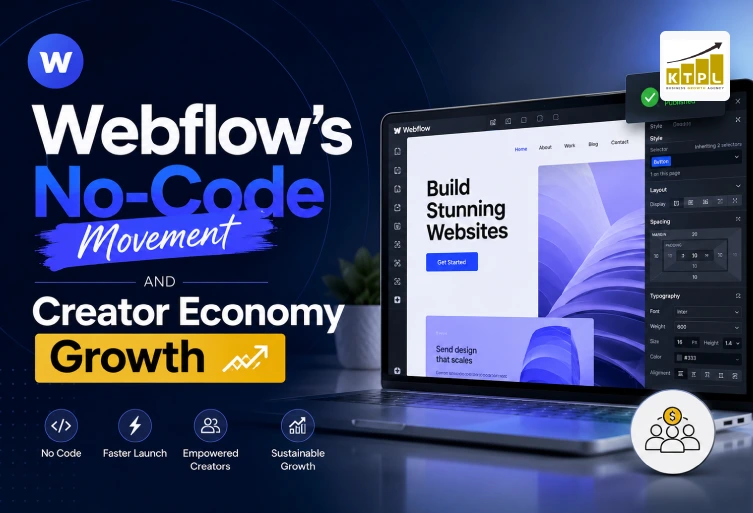
The digital world is evolving faster than ever, and one of the biggest drivers behind this transformation is Webflow’s No-Code Movement. Over the past few years, businesses, creators, marketers, and entrepreneurs have increasingly moved away from traditional development workflows in favor of faster, more flexible no-code solutions. This shift has empowered individuals with little or no programming knowledge to create professional websites, launch digital products, and build online brands without relying heavily on developers.
At the same time, the creator economy has expanded into a multi-billion-dollar ecosystem. Content creators, educators, consultants, freelancers, and digital entrepreneurs are finding new ways to generate revenue through memberships, subscriptions, digital products, and online communities. As a result, the relationship between Webflow’s No-Code Movement and Creator Economy Growth has become stronger than ever.
For modern businesses and creators, speed, flexibility, and scalability are essential. Webflow offers all three by providing a visual development platform that bridges the gap between design and development. This article explores how Webflow is transforming website creation, empowering creators, and driving the next phase of digital business growth.
What Is Webflow’s No-Code Movement?
Webflow’s No-Code Movement represents a significant shift in how websites and digital experiences are built. Traditionally, launching a professional website required a team of designers, front-end developers, back-end developers, and content managers. This process was often expensive, time-consuming, and difficult for small businesses or independent creators to manage. Webflow changed this model by providing a visual platform where users can build sophisticated websites without writing large amounts of code.
The no-code movement is not simply about eliminating coding. Instead, it focuses on making technology more accessible to people with creative ideas and business goals. Through a visual interface, users can design layouts, manage content, create animations, optimize pages for search engines, and publish websites without relying on extensive technical expertise. This democratization of web development has opened new opportunities for creators worldwide.
One reason behind the rapid adoption of Webflow is its ability to provide professional-grade results. Unlike many traditional website builders that offer limited customization, Webflow gives users granular control over design and functionality. Businesses can create unique digital experiences that reflect their brand identity while maintaining excellent performance and responsiveness across devices.
The rise of Webflow’s No-Code Movement also aligns with broader industry trends. Companies are increasingly looking for solutions that reduce development bottlenecks and allow marketing teams to operate independently. By enabling non-technical professionals to manage websites efficiently, Webflow supports faster innovation and greater organizational agility.
As more businesses prioritize digital transformation, no-code platforms are becoming essential tools. Webflow has positioned itself as a leader in this space by helping organizations build websites faster, reduce costs, and improve collaboration between teams.
How Creator Economy Growth Is Reshaping Digital Business
The creator economy has fundamentally changed the way individuals earn income online. Instead of relying solely on traditional employment models, millions of people now generate revenue through content creation, digital products, online education, consulting services, and community-driven businesses. This ongoing Creator Economy Growth is creating demand for tools that help creators build and scale their digital presence efficiently.
Modern creators are no longer limited to social media platforms. They require dedicated websites where they can control their brand, audience relationships, and revenue streams. A professional website acts as the foundation of a creator’s digital ecosystem, enabling them to showcase content, collect leads, sell products, and build trust with their audience.
The growth of the creator economy is also driven by changing consumer behavior. Audiences increasingly seek authentic voices, specialized expertise, and niche communities. As a result, independent creators have more opportunities to establish profitable businesses around their knowledge and skills. Platforms like Webflow help creators capitalize on these opportunities by providing a scalable infrastructure for digital growth.
Another factor contributing to Creator Economy Growth is the rise of subscription-based business models. Membership sites, premium content offerings, online courses, and digital downloads have become common revenue streams. Creators need websites capable of supporting these monetization strategies while maintaining a seamless user experience.
As the creator economy continues to expand globally, the demand for flexible and professional web development solutions will only increase. Webflow’s no-code approach provides creators with the tools they need to compete effectively in an increasingly digital marketplace.
Why Webflow Is a Powerful Platform for Creators
One of the primary reasons creators are embracing Webflow is its ability to combine creative freedom with operational efficiency. Traditional website development often involves multiple tools and technical processes, which can slow down project timelines and increase costs. Webflow simplifies this process by bringing design, content management, and publishing into a single platform.
Creators can build visually impressive websites without compromising performance or customization. Whether launching a personal portfolio, educational platform, membership community, or digital agency website, Webflow offers the flexibility needed to create unique online experiences. This flexibility is particularly valuable for creators who want complete control over their brand identity.
Another major advantage is responsiveness. Modern audiences access websites from smartphones, tablets, laptops, and desktop computers. Webflow allows creators to design responsive experiences that perform consistently across devices, improving user satisfaction and engagement metrics.
SEO capabilities also play an important role in Webflow’s popularity. The platform provides features such as customizable meta titles, meta descriptions, clean code structures, XML sitemaps, and responsive design. These features help creators improve search visibility and attract organic traffic without relying heavily on third-party plugins.
As Webflow’s No-Code Movement continues to gain momentum, creators increasingly recognize the platform as a strategic asset rather than just a website builder. It enables them to focus on content creation, audience engagement, and business growth instead of technical challenges.
The Impact of Webflow on Business Efficiency
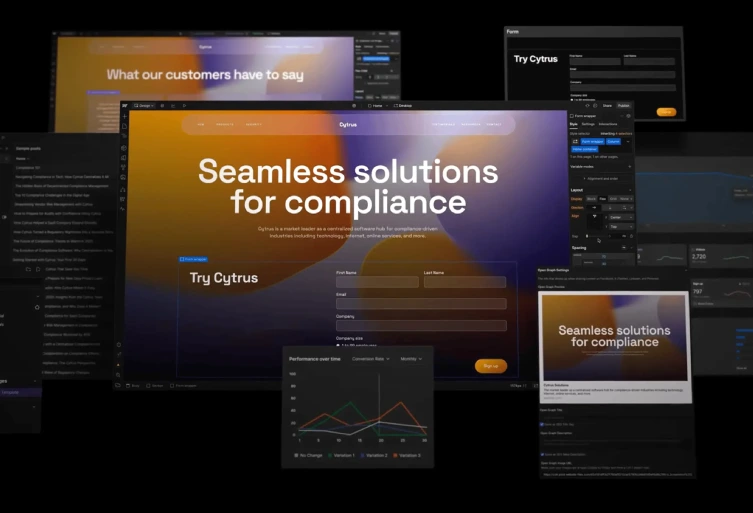
Businesses across industries are constantly looking for ways to improve efficiency and reduce operational costs. One of the most significant advantages of Webflow’s No-Code Movement is its ability to streamline website management and accelerate digital initiatives. Organizations can launch projects faster while maintaining high design standards and performance.
Traditional web development projects often involve lengthy approval cycles, developer dependencies, and ongoing maintenance challenges. These factors can slow marketing campaigns and delay business objectives. Webflow addresses these issues by empowering marketing teams and content managers to make updates independently.
The ability to update content without developer intervention creates a more agile workflow. Marketing departments can quickly launch landing pages, publish content, and optimize campaigns based on performance data. This flexibility helps organizations respond faster to changing market conditions and customer needs.
Webflow also contributes to cost savings. Businesses can reduce reliance on external development resources while maintaining a professional online presence. These savings can be redirected toward growth initiatives such as advertising, content marketing, and customer acquisition.
For organizations focused on digital transformation, efficiency is a key competitive advantage. By simplifying web development and content management, Webflow helps businesses achieve greater productivity and faster results.
The Role of AI and Automation in No-Code Development
Artificial intelligence is rapidly transforming the digital landscape, and no-code platforms are benefiting significantly from these advancements. AI-powered tools help automate repetitive tasks, generate design suggestions, improve content workflows, and accelerate website development processes. This integration strengthens the value proposition of Webflow’s No-Code Movement.
AI-driven features can assist users with layout creation, content generation, design optimization, and performance improvements. Instead of spending hours on routine tasks, creators and businesses can focus on strategic activities that drive growth and innovation.
Automation also improves consistency and scalability. Organizations managing multiple websites or large content libraries can streamline workflows and maintain quality standards more effectively. This capability is particularly valuable for agencies, enterprises, and content-driven businesses.
The combination of AI and no-code technology lowers barriers to entry for aspiring entrepreneurs. Individuals who previously lacked technical expertise can now launch professional digital products and services with greater confidence. This accessibility contributes directly to ongoing Creator Economy Growth.
As AI technology continues to evolve, its integration with no-code platforms will create even more opportunities for creators and businesses. The future of website development is likely to become increasingly automated, intelligent, and user-friendly.
Why Businesses Should Pay Attention to Webflow’s No-Code Movement
Businesses that ignore emerging digital trends risk falling behind competitors who adopt more efficient technologies. Webflow’s No-Code Movement is not simply a temporary trend; it represents a fundamental shift in how digital experiences are created and managed. Companies that embrace this shift can gain significant advantages in speed, flexibility, and scalability.
Consumers expect modern websites to deliver exceptional user experiences. Fast loading times, responsive design, intuitive navigation, and engaging content are essential for attracting and retaining visitors. Webflow provides the tools necessary to meet these expectations without the complexity associated with traditional development workflows.
The platform also supports experimentation and innovation. Businesses can quickly test new ideas, launch campaigns, and optimize user experiences based on real-world feedback. This agility is increasingly important in competitive markets where customer preferences change rapidly.
For startups and small businesses, Webflow offers an affordable pathway to professional web development. Organizations can establish a strong digital presence without incurring substantial development costs. This accessibility makes innovation possible even for companies with limited resources.
As digital competition intensifies, businesses must prioritize tools that improve efficiency and accelerate growth. Webflow’s no-code ecosystem provides a compelling solution for organizations seeking long-term success.
Conclusion
Webflow’s No-Code Movement is redefining how websites, digital products, and online businesses are created. By eliminating many of the traditional barriers associated with web development, Webflow empowers creators, entrepreneurs, marketers, and organizations to innovate faster and more efficiently. The platform’s visual development approach makes professional website creation accessible to a broader audience while maintaining the flexibility and scalability required for growth.
At the same time, ongoing Creator Economy Growth is increasing demand for tools that help individuals monetize their expertise and build sustainable digital businesses. Webflow addresses this demand by providing a powerful platform for content creators, educators, consultants, and entrepreneurs.
The future of digital business will be shaped by accessibility, automation, and innovation. Webflow stands at the center of these trends, helping users transform ideas into impactful online experiences. For businesses and creators looking to stay competitive in a rapidly evolving digital landscape, embracing Webflow’s no-code capabilities can be a strategic step toward long-term growth and success.
FAQs
Have questions? We’ve answered some of the most common queries to help you understand the topic better
Q1. What is Webflow’s No-Code Movement?
Webflow’s No-Code Movement enables users to create professional websites through visual development tools without requiring extensive coding knowledge.
Q2. How does Webflow support Creator Economy Growth?
Webflow helps creators build websites, launch digital products, create memberships, and monetize content more effectively.
Q3. Is Webflow suitable for businesses?
Yes. Businesses of all sizes use Webflow for marketing websites, landing pages, content management, and digital growth initiatives.
Q4. Can Webflow improve SEO performance?
Webflow includes built-in SEO features such as clean code, customizable metadata, responsive design, and XML sitemaps.
Q5. Why is no-code development becoming popular?
No-code development reduces costs, accelerates project timelines, improves flexibility, and makes website creation accessible to non-technical users.
Want To Grow Your Business - Connect With KTPL
KTPL – Business Growth Agency, a creative solutions and business growth agency from India.
👉 Visit https://kirnanitechnologies.com
📞 Call us at +91 95093 33000
📧 Email us at contact@kirnanitechnologies.com


