


Sustainable fashion in India has evolved from being a niche concept into a powerful movement that is influencing how people buy and wear clothes across the country. Consumers today are not just focused on style—they are also paying attention to how their clothing is made and its impact on the environment. This shift is visible across metro cities as well as smaller towns, where awareness is steadily growing.
With increasing concerns about pollution, textile waste, and unethical labor practices, more people are choosing eco-friendly and responsible alternatives. Brands are also adapting quickly by offering sustainable collections that combine fashion with purpose. This transformation is creating a new fashion ecosystem where quality, ethics, and sustainability matter more than ever.
In this blog, we will explore the trends, growth drivers, challenges, and future opportunities of sustainable fashion in India for 2026 and beyond.
What is Sustainable Fashion?
Sustainable fashion refers to clothing that is designed and produced in a way that minimizes environmental damage while ensuring fair treatment of workers. It focuses on reducing waste, using eco-friendly materials, and promoting ethical production practices throughout the supply chain.
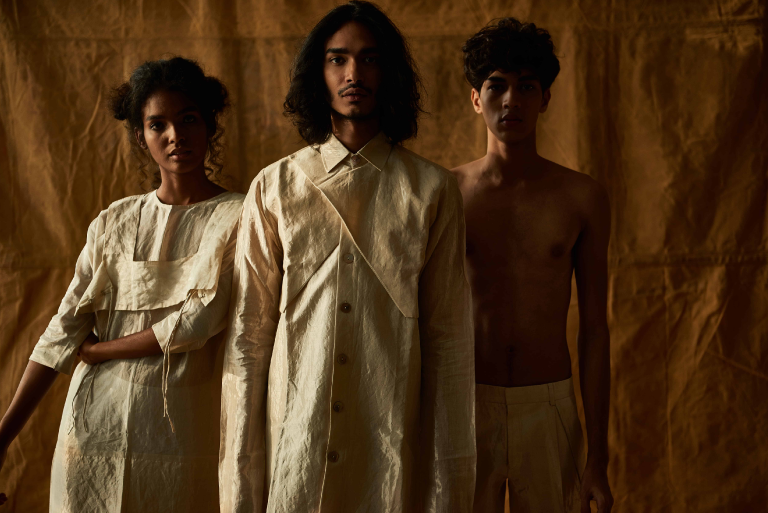
In India, sustainable fashion is deeply connected to traditional methods like handloom weaving and natural dyeing, which have always been eco-friendly. These age-old techniques are now being revived and combined with modern designs to meet current market demands.
Unlike fast fashion, which encourages frequent buying and disposal, sustainable fashion promotes long-term use and mindful consumption. It encourages consumers to invest in quality pieces that last longer and have a lower environmental footprint.
Why Sustainable Fashion is Growing in India
Sustainable fashion is gaining momentum in India as consumers become more aware of environmental issues, ethical production, and the long-term impact of fast fashion on the planet. People are now actively choosing clothing that aligns with their values, focusing on quality, durability, and eco-friendly materials instead of just trends.
1. Rising Environmental Awareness
The increasing awareness about climate change and environmental damage has made Indian consumers more conscious about their choices. People are now understanding that the fashion industry contributes significantly to pollution and waste generation.
As a result, many consumers are actively seeking clothing options that are made using sustainable practices. They are paying attention to fabric types, production methods, and brand values before making a purchase.
This awareness is not limited to urban areas anymore; even smaller cities are seeing a gradual shift toward eco-friendly lifestyles. Educational content, documentaries, and online campaigns have played a major role in spreading this awareness.
Consumers are also becoming more responsible by reducing unnecessary purchases and supporting brands that prioritize sustainability. This behavioral change is one of the biggest drivers of growth in this sector.
2. Influence of Social Media & Digital Platforms
Social media has become a powerful tool in promoting sustainable fashion in India. Influencers, content creators, and fashion bloggers are actively sharing information about ethical brands and eco-friendly choices.
Platforms like Instagram and YouTube have made it easier for people to discover sustainable brands and understand their impact. These platforms also highlight the negative effects of fast fashion, encouraging consumers to make better decisions.
Young audiences, especially Gen Z, are highly influenced by digital content and are more likely to adopt sustainable practices. They are not just following trends but also supporting causes that align with their values.
Brands are also using digital platforms to showcase transparency in their processes, which builds trust among consumers. This digital influence is accelerating the adoption of sustainable fashion across India.
3. Support for Local & Handmade Products
India has a rich heritage of textiles and craftsmanship, which naturally aligns with sustainable fashion principles. Handloom fabrics, traditional weaving techniques, and handmade garments are eco-friendly and culturally significant.
Consumers are increasingly supporting local artisans and small businesses, which helps preserve traditional skills and provides livelihood opportunities. This shift is also reducing dependence on mass-produced, factory-made clothing.
Government campaigns promoting local products have further encouraged this trend. People now feel a sense of pride in wearing clothing that represents Indian culture and craftsmanship.
By choosing handmade and locally produced garments, consumers are contributing to a more sustainable and inclusive fashion ecosystem.
4. Government and Startup Initiatives
The growth of sustainable fashion in India is also supported by various government initiatives and startup innovations. Policies promoting eco-friendly practices and small-scale industries are helping this sector expand.
Startups are introducing innovative solutions such as biodegradable fabrics, zero-waste production, and recycling technologies. These businesses are making sustainable fashion more accessible and practical for everyday use.
Many brands are also focusing on transparency, showing customers exactly how their products are made. This builds trust and encourages more people to switch to sustainable options.
With continuous innovation and support, the sustainable fashion industry is becoming more structured and scalable in India.
Key Sustainable Fashion Trends in India (2026)
Sustainable fashion trends in India for 2026 are being shaped by a strong shift toward conscious consumer behavior, where people are prioritizing quality, durability, and ethical production over fast-changing styles. With increasing awareness about environmental impact and cultural value, consumers are actively choosing eco-friendly fabrics, supporting local artisans, and adopting minimalistic wardrobes.
1. Slow Fashion Movement
The slow fashion movement is gaining popularity as consumers move away from fast fashion habits. Instead of buying multiple low-quality items, people are now investing in fewer, high-quality pieces.
This approach encourages thoughtful purchasing decisions and reduces waste. Consumers are focusing on durability, comfort, and timeless designs that can be worn for years.
Brands are also shifting their strategies by producing limited collections and focusing on craftsmanship. This not only improves product quality but also reduces overproduction.
Slow fashion is helping create a more sustainable and mindful approach to clothing consumption.
2. Eco-Friendly Fabrics
Eco-friendly fabrics are becoming a major trend in India’s fashion industry. These materials are produced using sustainable methods and have a lower environmental impact compared to conventional fabrics.
Below is a quick comparison table:
Fabric Type | Benefits | Environmental Impact |
Organic Cotton | Soft, breathable | Low water usage |
Bamboo Fabric | Anti-bacterial, durable | Biodegradable |
Hemp | Strong, long-lasting | Requires less water |
Linen | Lightweight, प्राकृतिक | Low energy use |
Recycled Polyester | Reduces plastic waste | Reuses materials |
These fabrics are not only eco-friendly but also comfortable and stylish, making them popular among modern consumers.
3. Upcycling and Recycling
Upcycling is transforming the way people view old clothes and textile waste. Instead of discarding unused garments, designers are creatively converting them into new fashion pieces.
This process reduces landfill waste and promotes creativity in fashion design. Each upcycled product is unique, offering a personalized touch to consumers.
Recycling initiatives are also gaining momentum, where old fabrics are processed and reused to create new materials. This reduces the need for fresh resources and minimizes environmental impact.
Together, upcycling and recycling are playing a crucial role in building a circular fashion economy in India.
4. Rental Fashion and Clothing Subscription
Rental fashion is becoming increasingly popular, especially for occasions like weddings and parties. Instead of buying expensive outfits that are worn only once, people are choosing to rent them.
This trend is helping reduce waste and making high-end fashion more accessible. Consumers can enjoy variety without contributing to overconsumption.
Clothing subscription services are also emerging, allowing users to regularly update their wardrobe without purchasing new items.
This model promotes shared usage and supports sustainable consumption patterns.
5. Minimalist Wardrobes
Minimalist wardrobes, also known as capsule wardrobes, are gaining traction among Indian consumers. This approach focuses on owning a limited number of versatile clothing items.
These pieces can be mixed and matched to create multiple outfits, reducing the need for excessive shopping. It encourages thoughtful buying and better wardrobe management.
Minimalism also helps save money and space while promoting sustainability. Consumers are becoming more intentional with their purchases and avoiding impulse buying.
This trend reflects a shift toward quality over quantity in fashion choices.
Growth of Sustainable Fashion Market in India
The sustainable fashion market in India is expanding rapidly due to increasing consumer demand and awareness. More brands are entering this space, offering a wide range of eco-friendly products.
E-commerce platforms are making it easier for consumers to access sustainable brands from across the country. This digital reach is helping small businesses grow and reach a larger audience.
The market is also benefiting from rising disposable incomes and changing lifestyle preferences. Consumers are willing to spend more on products that align with their values.
Overall, the growth of sustainable fashion in India indicates a long-term shift toward responsible consumption.
Challenges in Sustainable Fashion in India
Despite its growth, sustainable fashion still faces several challenges in India. One of the main issues is the higher cost of eco-friendly products, which can limit their accessibility.
Awareness is still developing in rural areas, where fast fashion remains dominant due to affordability and availability. Bridging this gap is essential for widespread adoption.
Greenwashing is another concern, where brands falsely claim to be sustainable. This creates confusion and reduces consumer trust.
Additionally, the lack of a strong supply chain infrastructure makes it difficult for brands to scale their operations effectively. Addressing these challenges is crucial for future growth.
Future of Sustainable Fashion in India
The future of sustainable fashion in India looks promising with continuous innovation and growing awareness. Technology will play a key role in improving production processes and ensuring transparency.
Affordable sustainable fashion will become more accessible as demand increases and production scales up. This will encourage more consumers to make eco-friendly choices.
Circular fashion models, including recycling and reuse, will become more common. Brands will introduce take-back programs and repair services.
Collaborations between modern brands and traditional artisans will also drive growth while preserving India’s cultural heritage.
Business Opportunities in Sustainable Fashion
Sustainable fashion offers a wide range of opportunities for entrepreneurs and businesses. From eco-friendly clothing brands to rental platforms, the possibilities are vast.
Businesses can also explore niche markets such as upcycled fashion, organic fabrics, and ethical accessories. Digital platforms can be used to create marketplaces for sustainable products.
For KTPL – Business Growth Agency, this sector provides an excellent opportunity to help brands with digital marketing, SEO, and online visibility.
As demand continues to grow, businesses that focus on sustainability will have a strong competitive advantage in the market.
How Consumers Can Support Sustainable Fashion
Consumers play a crucial role in promoting sustainable fashion. Their choices directly impact the demand and growth of this industry.
- Buy fewer but better-quality clothes
- Support local and ethical brands
- Reuse and recycle old garments
- Avoid impulse purchases
- Choose eco-friendly fabrics
- Opt for rental fashion when possible
Conclusion
Sustainable fashion in India is not just a passing trend but a necessary transformation for the future. With increasing awareness, innovation, and consumer support, the industry is moving toward a more responsible and ethical direction.
As we enter 2026, the focus is shifting from fast fashion to mindful consumption. People are realizing that their choices can make a difference.
This movement is creating opportunities for businesses, empowering artisans, and protecting the environment. By embracing sustainable fashion, India is taking a step toward a greener and more responsible future.
FAQs
Have questions? We’ve answered some of the most common queries to help you understand the topic better
Q1. What is sustainable fashion?
Sustainable fashion focuses on eco-friendly materials and ethical production methods.
Q2. Why is it important in India?
It reduces pollution and supports local artisans.
Q3. Is it expensive?
It may cost more but offers better durability and value.
Q4. What fabrics are sustainable?
Organic cotton, hemp, bamboo, and recycled materials.
Q5. How can I start?
Buy less, choose quality, and support ethical brands.
Want To Grow Your Business - Connect With KTPL
KTPL – Business Growth Agency, a creative solutions and business growth agency from India.
👉 Visit https://kirnanitechnologies.com
📞 Call us at +91 95093 33000
📧 Email us at contact@kirnanitechnologies.com


