


Introduction
Over the past three decades, Amazon has transformed from a small online bookstore into one of the most influential technology companies in the world. What started as a simple e-commerce platform in the mid-1990s is now a global ecosystem that includes cloud computing, artificial intelligence, logistics networks, digital media, and advanced retail technology.
Founded by Jeff Bezos in 1994, Amazon initially focused on selling books online. However, the company quickly expanded its product categories and technological capabilities. Today, Amazon operates across multiple industries, including online retail, cloud computing, smart devices, and digital entertainment.
One of the most significant turning points in Amazon’s history was the launch of Amazon Web Services (AWS). AWS transformed Amazon from a retail company into a technology infrastructure provider for millions of businesses worldwide.
For entrepreneurs, digital marketers, and technology professionals in India, Amazon’s journey provides valuable lessons in innovation, scalability, customer obsession, and operational efficiency.
The Early Years: Amazon as an Online Bookstore
When Amazon launched in 1994, the internet was still in its early stages. Bezos saw the potential of online commerce and identified books as the ideal starting point.
- Millions of titles available
- Easy to ship
- No need for physical browsing
Within just a few months of launch, Amazon began shipping books across the United States and internationally. By 1997, the company went public and started expanding its product catalog beyond books into music, movies, and electronics.
The early success of Amazon was driven by several innovations:
Customer Reviews
Amazon allowed customers to review products publicly, building trust and transparency.
Personalized Recommendations
Using data analytics, Amazon recommended products based on customer behavior.
Large Product Selection
The platform offered a wider range of products than traditional stores.
These features helped Amazon become one of the most trusted e-commerce platforms globally.
Amazon’s Vision: Becoming the “Everything Store”
Amazon did not want to remain just a bookstore. Bezos envisioned building what he called the “Everything Store.”
- Electronics
- Clothing
- Household products
- Digital media
- Groceries
- Cloud computing
This aggressive expansion allowed Amazon to dominate the global e-commerce industry and set new standards for online shopping.
- Online retail
- Third-party marketplace
- Cloud computing
- Digital streaming
- Advertising
- Smart devices
- Logistics
Fulfillment by Amazon (FBA): Revolutionizing Online Selling
One of Amazon’s most powerful innovations was Fulfillment by Amazon (FBA).
- Storage
- Packaging
- Shipping
- Customer service
- Returns
The result was explosive growth in third-party sellers on the platform. Today, millions of sellers rely on Amazon’s logistics infrastructure to reach global customers.
FBA transformed Amazon into not just a retailer, but also a logistics service provider.
The Birth of AWS: Amazon’s Most Profitable Innovation
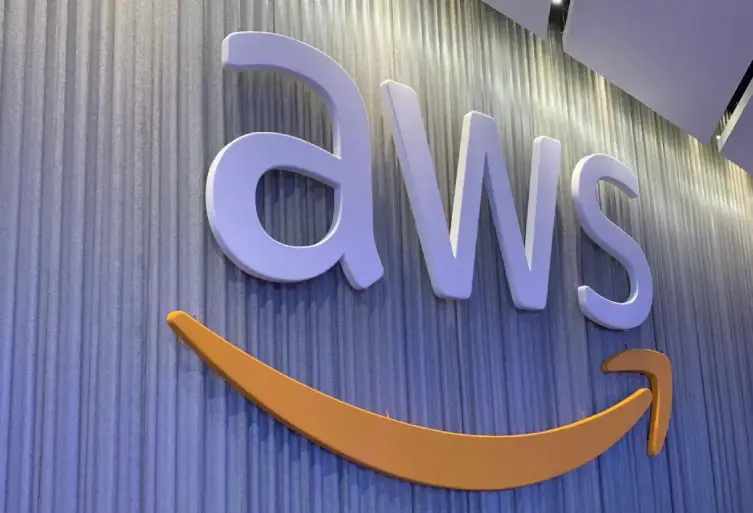
In 2006, Amazon launched Amazon Web Services (AWS), a cloud computing platform that would eventually become the company’s most profitable business.
- Amazon S3 – cloud storage
- Amazon EC2 – cloud computing power
This innovation fundamentally changed how companies build and operate digital services.
Instead of investing millions in servers and data centers, startups and enterprises could scale their applications using AWS.
Why AWS Became a Game Changer
AWS quickly became the backbone of the internet.
Companies across industries began relying on AWS to power their digital platforms.
Key reasons for AWS’s success include:
Pay-as-You-Go Pricing
Businesses only pay for the resources they use.
Scalability
Applications can scale instantly without additional hardware investment.
Global Infrastructure
AWS operates data centers around the world.
Continuous Innovation
AWS continuously launches new tools for AI, analytics, machine learning, and IoT.
Because of these advantages, AWS became one of the largest cloud computing platforms globally.
Today, millions of companies use AWS for web hosting, data storage, machine learning, and application development.
Operational Innovation: Amazon’s Secret Advantage
Amazon’s success is not only about technology. Operational excellence plays a huge role in its growth.
Amazon constantly experiments with new operational models to improve efficiency and customer experience.
Key innovations include:
Robotics in Warehouses
Amazon uses robots in fulfillment centers to move products and reduce delivery times.
The acquisition of Kiva Systems helped automate warehouse operations, improving speed and accuracy.
Advanced Logistics Network
- Air cargo fleet
- Delivery vans
- Local fulfillment centers
- Same-day delivery hubs
Predictive Inventory Systems
Amazon uses artificial intelligence to predict customer demand and position products closer to customers before they even order them.
This reduces delivery time and shipping costs.

Prime Ecosystem: Building Customer Loyalty
- Free fast delivery
- Video streaming
- Music streaming
- Exclusive deals
- Gaming benefits
Subscribers tend to shop more frequently, increasing customer lifetime value.
Prime also strengthened Amazon’s ecosystem by integrating entertainment, shopping, and services.
Amazon’s Expansion into New Industries
Amazon’s growth strategy includes entering new industries through innovation and acquisitions.
Some key examples include:
Smart Devices
- Echo
- Fire TV
- Kindle
Physical Retail
Amazon acquired Whole Foods Market in 2017, expanding into the grocery sector.
Digital Advertising
Amazon has become one of the largest digital advertising platforms globally.
Brands pay to promote products directly on the Amazon marketplace.
Streaming and Media
Amazon Prime Video competes with major streaming platforms by producing original movies and TV shows.
Amazon’s Data-Driven Business Model
One of Amazon’s biggest strengths is its ability to leverage data.
- Product recommendations
- Pricing strategies
- Inventory management
- Advertising targeting
These technologies allow Amazon to continuously optimize its operations and customer experience.
Challenges Amazon Faces
Despite its success, Amazon faces several challenges.
Competition
- Microsoft (cloud computing)
- Google (cloud and advertising)
- Alibaba Group (e-commerce)
Regulatory Pressure
Governments around the world are increasing scrutiny on large technology companies.
- Antitrust regulations
- Data privacy
- Marketplace competition
Operational Costs
Running global warehouses, logistics networks, and data centers requires massive investment.
Balancing growth with profitability remains an ongoing challenge.
Lessons Businesses Can Learn from Amazon
Amazon’s evolution provides several powerful lessons for entrepreneurs and businesses.
Focus on Customer Experience
Amazon’s philosophy of “customer obsession” drives all its innovations.
Invest in Technology
Technology infrastructure enables scalability and efficiency.
Build Ecosystems
Successful companies create interconnected services that reinforce each other.
Think Long-Term
Amazon reinvested profits for years before becoming highly profitable.
Diversify Revenue Streams
From e-commerce to cloud computing, Amazon built multiple income sources.
The Future of Amazon
- Artificial intelligence
- autonomous delivery systems
- robotics
- cloud computing
- smart home technology
With its culture of innovation and long-term thinking, Amazon is likely to remain one of the most influential technology companies in the world.
Conclusion
Amazon’s journey from a small online bookstore to a global technology giant is one of the most remarkable business transformations in modern history.
Through continuous innovation, operational excellence, and a relentless focus on customer satisfaction, Amazon has reshaped multiple industries.
The launch of AWS turned Amazon into a leader in cloud computing, while its logistics network revolutionized online retail.
For startups, entrepreneurs, and digital businesses in India, Amazon’s evolution offers a powerful blueprint for building scalable, technology-driven companies.
Understanding how Amazon built its ecosystem can inspire the next generation of innovators to create businesses that combine technology, operations, and customer experience at scale.
FAQs
Have questions? We’ve answered some of the most common queries to help you understand the topic better
Q1. What was Amazon originally created for?
Amazon started as an online bookstore in 1994 before expanding into multiple product categories and industries.
Q2. What is Amazon Web Services (AWS)?
AWS is Amazon’s cloud computing platform that provides storage, computing power, and software tools to businesses worldwide.
Q3. Why is AWS important for Amazon?
AWS generates high profit margins and powers millions of applications, making it one of Amazon’s most valuable business units.
Q4. What makes Amazon different from other e-commerce companies?
Amazon combines e-commerce, logistics, cloud computing, digital media, and data analytics into one integrated ecosystem.
Q5. What can businesses learn from Amazon’s success?
Businesses can learn the importance of innovation, customer focus, operational efficiency, and long-term strategic thinking.
Want To Grow Your Business - Connect With KTPL
KTPL – Business Growth Agency, a creative solutions and business growth agency from India.
👉 Visit https://kirnanitechnologies.com
📞 Call us at +91 95093 33000
📧 Email us at contact@kirnanitechnologies.com


