


Introduction
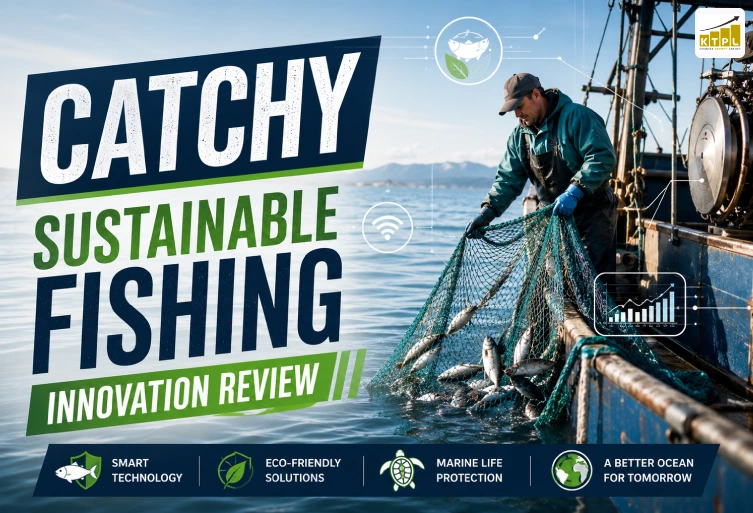
The global fishing industry is undergoing a significant transformation as businesses, governments, and environmental organizations work together to protect marine ecosystems while maintaining seafood production. Sustainable fishing innovations have emerged as powerful solutions that help reduce environmental damage, improve operational efficiency, and ensure long-term fish population stability. This Catchy Sustainable Fishing Innovation Review explores how modern technologies are reshaping the seafood sector and creating opportunities for more responsible fishing practices. With growing concerns about overfishing, ocean pollution, and biodiversity loss, innovative fishing methods have become essential for the future of the industry. Companies that embrace these advancements are not only helping the environment but also improving profitability and compliance with international regulations. As sustainability becomes a major focus for consumers and businesses alike, understanding these innovations is crucial for anyone interested in the future of seafood production and marine conservation.
What is Catchy and Why is It Gaining Attention?
Catchy has attracted attention within discussions surrounding sustainable fishing innovation because it highlights how technology and responsible practices can work together to improve fishing operations. In an industry that has traditionally relied on manual processes and historical knowledge, modern solutions are introducing data-driven decision-making and smarter resource management. The growing popularity of sustainable fishing technologies demonstrates a shift toward balancing economic growth with environmental protection. Businesses are increasingly recognizing that long-term success depends on maintaining healthy fish populations and protecting marine habitats. As seafood demand continues to rise worldwide, innovation becomes a critical factor in ensuring that fishing activities remain productive without compromising future resources. Catchy serves as an example of how sustainable innovation can generate both environmental and commercial benefits while supporting industry-wide improvements.
The Growing Need for Sustainable Fishing Solutions
The world’s oceans provide food, employment, and economic opportunities for millions of people. However, increasing fishing pressure has created concerns about declining fish stocks, habitat destruction, and unintended impacts on marine wildlife. Sustainable fishing solutions are becoming essential because traditional methods often struggle to address these challenges effectively. Modern technologies and innovative equipment offer practical ways to improve fishing practices while reducing environmental harm. Governments and regulatory agencies are also implementing stricter sustainability requirements, encouraging businesses to adopt more responsible approaches. By investing in sustainable solutions, fishing operators can improve efficiency, reduce waste, and build stronger relationships with environmentally conscious consumers. The growing demand for transparency and responsible sourcing further highlights the importance of adopting innovative fishing practices that support both economic and ecological goals.
How Smart AI Technology is Transforming Fishing Operations
Artificial Intelligence has become one of the most important innovations in the fishing industry. Advanced AI systems can analyze large amounts of data collected from vessels, sensors, satellites, and underwater monitoring equipment. These technologies help operators identify fish populations, predict migration patterns, and determine optimal fishing locations with greater accuracy. By reducing guesswork, AI enables fishing businesses to improve catch efficiency while minimizing unnecessary environmental impact. Smart algorithms can also identify potential overfishing risks and provide recommendations that support sustainable resource management. Real-time data analysis helps vessel operators make informed decisions that reduce fuel consumption and operational costs. As AI technology continues to advance, its role in supporting sustainable fishing practices is expected to grow significantly, creating new opportunities for conservation and business performance.
The Role of IoT Sensors in Sustainable Fishing
Internet of Things (IoT) technology is changing how fishing companies monitor ocean conditions and manage fishing activities. Connected sensors can collect valuable information about water temperature, oxygen levels, salinity, fish movements, and environmental conditions. This real-time data allows operators to respond quickly to changing circumstances and make better-informed decisions. IoT systems improve operational efficiency by providing accurate information that supports sustainable catch planning and resource management. These technologies also help researchers and regulators monitor fish populations more effectively, contributing to improved conservation strategies. The ability to gather and analyze environmental data continuously provides significant advantages compared to traditional monitoring methods. As sensor technology becomes more affordable and accessible, its adoption is expected to increase across commercial fishing operations worldwide.
Biodegradable Fishing Gear and Its Environmental Benefits
One of the most promising developments in sustainable fishing is the introduction of biodegradable fishing gear. Traditional nets, ropes, and traps can remain in the ocean for decades if lost or discarded, causing long-term environmental damage and threatening marine wildlife. Biodegradable alternatives are designed to break down naturally over time, reducing the impact of abandoned equipment. This innovation helps address the growing problem of marine plastic pollution while supporting healthier ocean ecosystems. Fishing companies that adopt biodegradable gear demonstrate a commitment to environmental responsibility and sustainable operations. In addition to reducing pollution, these products help minimize ghost fishing, where lost equipment continues to trap marine animals unintentionally. As environmental regulations become stricter, biodegradable fishing gear is expected to play an increasingly important role in sustainable seafood production.
Turtle-Safe Nets and Marine Wildlife Protection
Protecting marine wildlife is a critical component of sustainable fishing, and turtle-safe nets represent a major advancement in this area. Sea turtles are among the many species that can become accidentally caught in traditional fishing equipment. Turtle Excluder Devices and specialized net designs help reduce these unintended captures while allowing target fish species to be harvested effectively. These innovations contribute to biodiversity conservation and support healthier marine ecosystems. Fishing operators who use turtle-safe technology can meet regulatory requirements more easily while demonstrating environmental stewardship. Consumers are increasingly interested in seafood products sourced through responsible practices, making wildlife protection an important factor in brand reputation and market competitiveness. The continued development of selective fishing equipment will further improve sustainability outcomes across the industry.
GPS Navigation and Smart Fishing Routes
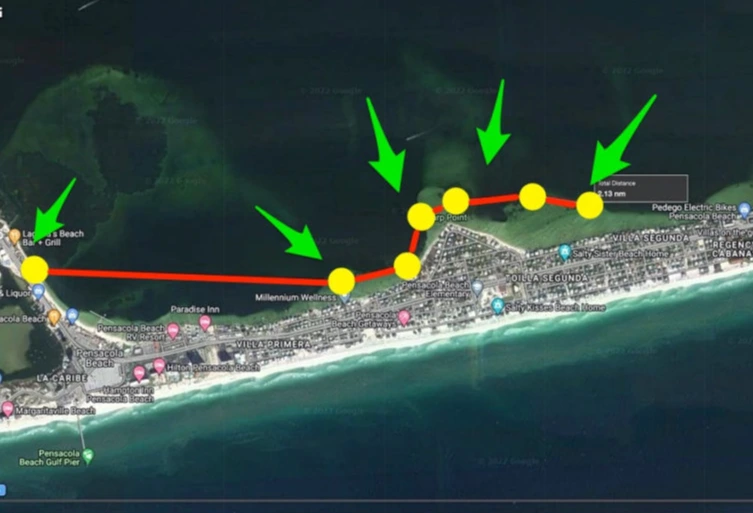
Advanced GPS navigation systems are helping fishing vessels operate more efficiently while reducing environmental impact. Modern navigation tools provide accurate location data, weather information, and route optimization capabilities that improve operational planning. These systems enable operators to identify productive fishing areas while avoiding protected marine zones and environmentally sensitive habitats. By reducing unnecessary travel distances, smart navigation technology helps lower fuel consumption and greenhouse gas emissions. Improved route planning also enhances crew safety and reduces operational expenses. The integration of GPS systems with AI and environmental monitoring tools creates powerful solutions for sustainable fishing management. As digital technologies continue to evolve, navigation systems will play an increasingly important role in supporting responsible fishing practices worldwide.
Reducing Overfishing Through Data-Driven Decisions
Overfishing remains one of the biggest challenges facing the global seafood industry. Sustainable fishing innovations provide valuable tools for addressing this issue through improved monitoring and data analysis. Real-time tracking systems, AI-powered forecasting, and advanced reporting platforms help operators make informed decisions based on accurate information. These technologies enable businesses to monitor fish populations more effectively and adjust harvesting strategies accordingly. Data-driven management supports healthier fish stocks while ensuring long-term economic sustainability for fishing communities. Regulatory agencies also benefit from improved data collection, allowing them to implement more effective conservation measures. By embracing technology-based solutions, the industry can reduce overfishing risks and promote responsible resource utilization for future generations.
How Sustainable Fishing Supports Business Growth
Sustainability is increasingly becoming a competitive advantage for fishing businesses around the world. Consumers are paying closer attention to how seafood products are sourced, and many prefer brands that demonstrate environmental responsibility. Sustainable fishing innovations help companies improve operational efficiency, reduce waste, and strengthen customer trust. Businesses that invest in advanced technologies often experience lower operating costs through improved fuel management, better catch accuracy, and reduced equipment losses. Sustainable practices also create opportunities for accessing premium markets and meeting certification requirements. As environmental awareness continues to grow, companies that prioritize sustainability are likely to achieve stronger long-term performance and enhanced market positioning. This connection between responsible operations and business success highlights the value of continued investment in fishing innovation.
Supply Chain Transparency and Consumer Confidence
Modern consumers increasingly demand transparency regarding the origin and sustainability of the products they purchase. Sustainable fishing technologies support greater supply chain visibility by enabling accurate tracking of seafood products from catch to consumer. Digital monitoring systems, electronic logbooks, and traceability platforms provide detailed information about fishing locations, harvesting methods, and sustainability practices. This transparency helps build consumer confidence and strengthens relationships between seafood suppliers and buyers. Retailers and distributors also benefit from improved documentation and compliance reporting capabilities. As traceability requirements become more common across global markets, technology-driven transparency solutions will become essential components of successful seafood supply chains. Businesses that embrace these innovations are better positioned to meet evolving customer expectations and regulatory standards.
Challenges Facing Sustainable Fishing Innovation
Despite the significant benefits of sustainable fishing technologies, several challenges continue to affect adoption rates. Initial investment costs can be substantial, particularly for smaller operators with limited financial resources. Training requirements may also create barriers, as crews need to learn how to use advanced equipment and data systems effectively. Infrastructure limitations in some regions can further complicate implementation efforts. Additionally, integrating new technologies into existing operations may require operational adjustments and ongoing support. However, many of these challenges are becoming easier to overcome as technology becomes more affordable and accessible. Governments, industry organizations, and environmental groups are also providing support programs that encourage sustainable innovation. Continued collaboration among stakeholders will be essential for expanding adoption and maximizing environmental benefits.
Future Trends in Sustainable Fishing Technology
The future of sustainable fishing is expected to be shaped by continued technological advancement and increasing environmental awareness. Emerging innovations include autonomous monitoring systems, satellite-based fish tracking, blockchain-powered traceability platforms, and advanced machine learning applications. These technologies have the potential to improve resource management, strengthen regulatory compliance, and enhance supply chain transparency. Researchers are also exploring new materials for fishing equipment that further reduce environmental impact. As digital transformation accelerates across the seafood industry, businesses will gain access to increasingly sophisticated tools that support sustainability goals. Future developments are likely to focus on improving efficiency, reducing waste, and protecting marine ecosystems while maintaining reliable seafood production. These trends highlight the growing importance of innovation in shaping the future of responsible fishing practices.
Conclusion
This Catchy Sustainable Fishing Innovation Review demonstrates how modern technologies are transforming the seafood industry and creating new opportunities for environmental protection and business success. From artificial intelligence and IoT sensors to biodegradable fishing gear and turtle-safe nets, sustainable innovations are helping fishing operators improve efficiency while reducing ecological impact. These advancements support healthier marine ecosystems, stronger regulatory compliance, and greater consumer confidence in seafood products. As global demand for seafood continues to increase, the importance of responsible fishing practices will become even more significant. Companies that embrace sustainable innovation today are positioning themselves for long-term growth while contributing to the preservation of valuable ocean resources. The future of fishing depends on balancing productivity with conservation, and technological innovation will remain a key driver of that transformation.
FAQs
Have questions? We’ve answered some of the most common queries to help you understand the topic better
Q1. What is sustainable fishing innovation?
Sustainable fishing innovation refers to technologies and practices that help protect marine ecosystems while maintaining efficient seafood production.
Q2. How does AI help the fishing industry?
AI helps monitor fish populations, analyze environmental conditions, improve catch accuracy, and reduce overfishing risks.
Q3. Why are biodegradable fishing nets important?
They reduce marine pollution and minimize the environmental impact of lost or abandoned fishing equipment.
Q4. What are turtle-safe fishing nets?
These are specially designed nets that reduce accidental capture of sea turtles and other protected marine species.
Q5. How do sustainable fishing practices benefit businesses?
They improve efficiency, reduce operating costs, strengthen customer trust, and support long-term profitability.
Want To Grow Your Business - Connect With KTPL
KTPL – Business Growth Agency, a creative solutions and business growth agency from India.
👉 Visit https://kirnanitechnologies.com
📞 Call us at +91 95093 33000
📧 Email us at contact@kirnanitechnologies.com


